
Reviewed · WALKING TOURS
Vikings In Dublin (Walking Tour)
Vikings in Dublin feel strangely close. This Vikings in Dublin walking tour links the Norse story to real street corners, from the Viking longboat sculpture to big central landmarks. I like that the guide gives a nuanced view of Viking life and motivations, not a cartoon version of raiders. I also like how Christ Church Cathedral becomes a story anchor, helping you picture how a city like Dublin grew and changed over time.
One thing to consider: the tour runs in French only. If French is tough for you, you might find it harder to follow the details, even if the overall vibe is friendly and question-friendly. Also, you will have a couple of surprise stops, so exact pin-point locations are not the point here.
In This Review
- Key highlights worth your time
- Meeting at Báite and starting with a Viking longboat
- A French guide who keeps Viking history human
- Tracing Dubh Linn with Christ Church Cathedral in the spotlight
- Saint Audoen’s: a smaller stop that adds texture
- Fishamble Street and the market side of Viking Dublin
- Dublin Castle plus two surprise stops that reward curiosity
- Finishing at Trinity College, then wrapping back
- Price and practical value of a 1.5-hour Viking route
- Who this Vikings in Dublin walking tour suits best
- Should you book Vikings In Dublin?
- FAQ
- How long is the Vikings in Dublin walking tour?
- How much does the tour cost?
- What language is the tour guided in?
- Where does the tour start?
- Where does the tour end?
- Is there free cancellation?
- Can I reserve without paying right away?
- Is the tour wheelchair accessible?
- What Viking-related places are included on the route?
Key highlights worth your time
- Start at Báite, the Viking Longboat (1988) by Betty Newman Maguire, right where the story begins
- Dubh Linn context tied to the Liffey, longships, and markets
- Christ Church Cathedral guided visit to connect power, faith, and city growth
- Saint Audoen’s stop for a quieter, more grounded feel
- Dublin Castle plus two surprise moments, including a final payoff near Trinity College
Meeting at Báite and starting with a Viking longboat
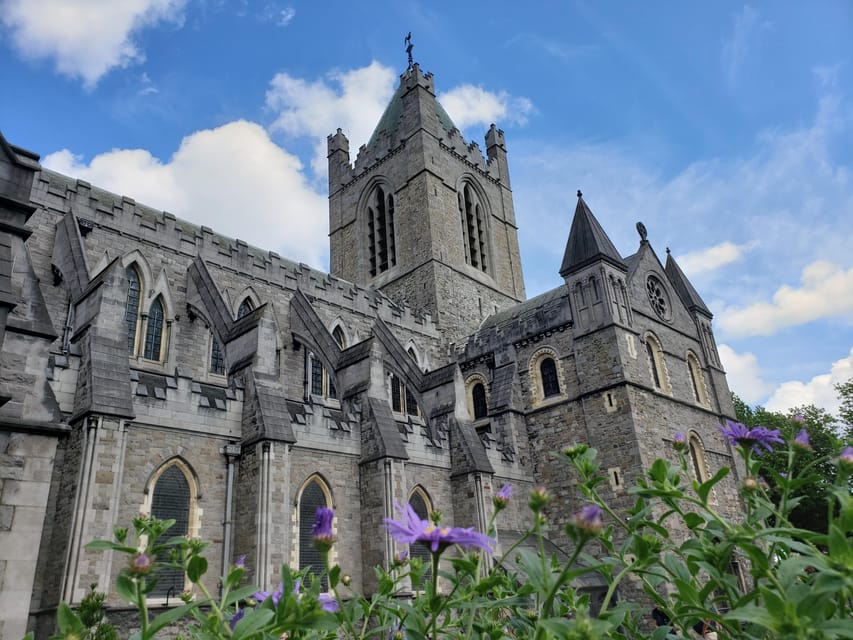
The tour kicks off at the Viking longboat sculpture called Báite – Viking Longboat (1988) by Betty Newman Maguire. Meeting there matters, because it sets the tone fast. You are not starting in a museum with labels, you are starting in the city, with a longship image that helps your brain switch into Viking mode.
From that first moment, the walk feels like a guided “how did this place become this place” story. You are moving on foot through central Dublin, so you start noticing how streets funnel you, how sightlines pull you toward landmarks, and how the city’s layout shapes where people would have traveled and traded.
It is also a practical setup. The starting point is a clear visual landmark, and the tour is designed for a compact 1.5-hour outing. If you like tours that keep you outdoors, with minimal waiting and a steady rhythm, this format fits.
More of Dublin crossed at walking pace:
A French guide who keeps Viking history human
The biggest reason this tour hits is the guide. You get a live guide in French, and the experience is built around clarity. I like guides who answer questions directly instead of waving you away. This one is that kind, and the style feels “historian with street knowledge,” not just reciting dates.
What stands out in the way the tour explains Vikings is the tone. Instead of treating Vikings as only barbarians, the guide frames them as people with reasons, goals, and systems. You learn how Norse society and customs connect to what was happening in Dublin at the time, including why they were navigating the waters and planting roots in the city they called Dubh Linn.
You can also feel that the guide is prepared to keep things smooth for real bodies, not ideal bodies. One of the most practical compliments in the experience is that the guide can adapt when someone needs a slower pace or has a minor health issue. So if you are the type who gets nervous about walking tours being too rigid, that flexibility is worth noting.
Finally, the guide’s approach keeps questions part of the story. You are not meant to sit quietly like a lecture audience. The walking format gives you natural moments to ask, and the guide handles answers in a relevant, organized way.
Tracing Dubh Linn with Christ Church Cathedral in the spotlight
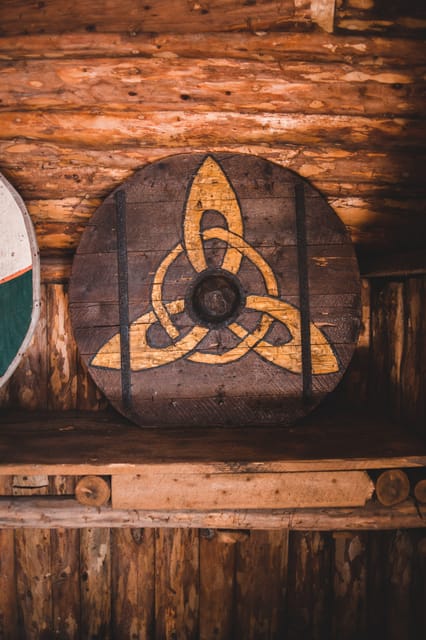
After the opening, the route pulls you toward Christ Church Cathedral for a guided stop. Even if you are not a “cathedral person,” you will likely enjoy this part because it is used as a big-picture anchor. The guide connects the area to the broader Dublin timeline, helping you understand the city’s position at the meeting point of power and trade.
The tour’s Viking framing is tied to recognizable details you can actually see. You are guided to think about Norse warriors navigating the Liffey’s waters, docking longships, and participating in the life of a growing city. Then the story connects that Viking-era presence to the later era when major institutions like cathedrals shaped how Dublin expressed authority.
One drawback here is also simple: Christ Church Cathedral is the kind of site where you may want a little extra time if you love architecture or art. A 1.5-hour walking tour is not designed for deep solo exploring. You get guided meaning, not a long sit-down.
Still, if you want to leave Dublin with a mental map of how Norse Dublin links to later landmarks, this cathedral stop does the job. It helps you build a story you can carry with you after the tour ends.
Saint Audoen’s: a smaller stop that adds texture
Next up is Saint Audoen’s, another guided moment that adds more texture than flash. This is where the tour starts to feel less like “tourist highlights” and more like “walking with a historian through layers.”
The guide uses places like this to show that a city is not one era. You learn how the Viking presence sits inside a much longer Dublin story. The walking route keeps nudging you to think about ordinary life too, not only big events. That means you are listening for everyday connections, like how streets and community spaces would have mattered to people who lived, traded, and moved through the city.
This stop is especially good if you enjoy the “in-between” vibe. You get a change of pace from the cathedral energy, and the guide’s explanations feel like they build toward a clearer picture of how Dublin operated as a real place, not a distant legend.
Fishamble Street and the market side of Viking Dublin
Then you reach Fishamble Street, and this part is about the life you can almost feel in your imagination. The tour connects Viking-era Dublin to the idea of markets thrived and activity clustered where people could meet, trade, and hear news.
Even without saying it in a dramatic way, the guide makes it easier to visualize the city as a hub. You think about routes that would have brought people in from the river and out through Dublin streets. You listen for how the city’s rhythm in that period would have made sense, including why a trading place at the Liffey was attractive.
Fishamble Street is also a reminder that historical stories do not only happen at castles and cathedrals. A lot happens on the street level, in the places where people actually gather.
The main consideration is that this is still a walking tour, so you are not meant to linger. If you want to photograph every corner or stop into shops, plan your own time before or after the 1.5 hours.
Another way the same day could go from Dublin:
- Dublin to Cliffs of Moher, including Wild Atlantic Way and Galway
★ 5.0 · 23,331 reviews - From Dublin: Cliffs of Moher, Burren & Galway City Day Tour
★ 4.8 · 18,888 reviews - Dublin: Guinness Storehouse Entry Ticket
★ 4.6 · 16,863 reviews - Dublin to Cliffs of Moher, Burren, Wild Atlantic Way, Galway Tour
★ 5.0 · 12,924 reviews
Dublin Castle plus two surprise stops that reward curiosity
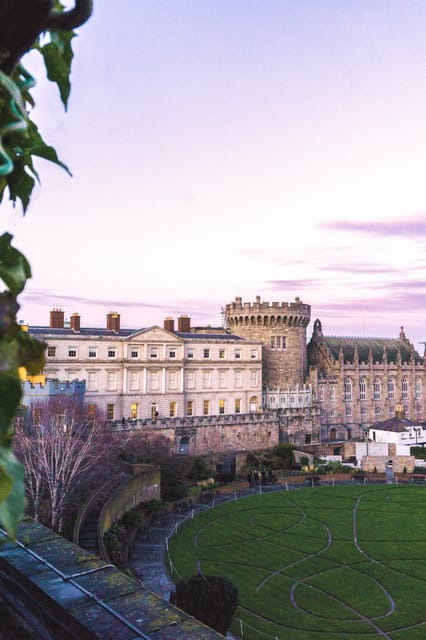
You continue to Dublin Castle, and this stop adds a different kind of meaning. It shifts the focus toward civic power and the way Dublin’s story becomes more institutional over time. In the Viking framing of the tour, that is helpful. It lets you see the arc from Norse roots and early city life toward later structures that shaped governance and public identity.
Then you get the tour’s special sauce, the surprise elements. There is a secret stop earlier in the walk, plus a later hidden gem moment. You do not get a page listing the exact locations in advance, and that is part of the fun. The guide uses these stops to point you toward details you might miss if you were strolling on your own.
This is also where you feel the guide’s confidence. He is not just moving you along a checklist. He is directing your attention, connecting what you see on the ground with the Viking-era story the tour is building.
If you are the type who likes strict schedules and predictable stops, the surprise nature may feel a bit vague. But if you enjoy being guided into “wait, look at that” moments, you will probably appreciate the flexibility and the human pacing.
Finishing at Trinity College, then wrapping back
The tour finishes near Trinity College. Ending by a major landmark is a smart choice, because it gives you a natural transition point. Once you are done with the guided Viking storyline, you are not left stranded at a random corner. You have a well-known area to re-orient and keep exploring, either on foot or by grabbing a quick ride.
You might find it useful to take a slow lap after the tour if you like to turn history into places you can revisit. The names, street references, and the Viking-era city idea stay fresh while you still have the walk in your legs.
One note: the tour’s meeting point details indicate it ends back at the meeting area, while the itinerary notes a finish at Trinity College. In practice, expect the tour to conclude around Trinity College and then end with the activity listing returning you toward the original meeting area.
Price and practical value of a 1.5-hour Viking route
At $45 per person for about 1.5 hours, this tour is priced like a focused city experience, not a long excursion. You are paying for a live guide and a curated route through key Dublin landmarks tied to the Viking story. Since it is a walking format, you also get your “orientation” value, meaning you leave with a map in your head, not just notes on your phone.
What makes the value feel fair is that the tour is not only about showing places. It is about explaining how Dublin developed from the Viking-era Dubh Linn idea, including Norse navigation of the Liffey and the city life around docking and markets.
There are no extra “gotchas” mentioned like museum entry fees or special gear requirements. So if your goal is to understand the Viking imprint on Dublin quickly and clearly, this price matches the experience.
If you are trying to compare value to longer tours, your choice comes down to your schedule. This one fits well when you want history without losing half a day.
Who this Vikings in Dublin walking tour suits best

This is a good match for you if:
- You want a short, concentrated walk through central Dublin with strong historical interpretation
- You enjoy learning the Viking story as something grounded and human, not just battle-focused
- You like guided explanations with room for questions
- You can comfortably follow a French-language experience
It might be less ideal if you need tours in English, or if you dislike surprise stops. Also, if you want deep time in one building, a 1.5-hour walk will feel brief. In that case, treat this as the “get the big picture” step, then plan a longer independent visit afterward.
Should you book Vikings In Dublin?
Yes, if you want a smart introduction to Norse Dublin that connects Viking life to real Dublin landmarks. The guide quality is the selling point here. You are getting clear explanations, a nuanced approach that avoids simplistic Viking stereotypes, and lively anecdotes that make the walking story flow.
Book it if you are spending limited time in Dublin and want a route that helps you see the city with Viking-era eyes, starting at the Báite Viking Longboat and ending near Trinity College. Skip it if you need English instruction or if you get frustrated by the “secret stop” and “hidden gem” style of pacing.
FAQ
How long is the Vikings in Dublin walking tour?
The tour lasts about 1.5 hours. Starting times vary, so check availability for the schedule.
How much does the tour cost?
It costs $45 per person.
What language is the tour guided in?
The live tour guide speaks French.
Where does the tour start?
You start at the Viking longboat sculpture, Báite – Viking Longboat (1988) by Betty Newman Maguire.
Where does the tour end?
The tour ends at Trinity College, and the activity notes that it finishes back at the meeting point area.
Is there free cancellation?
Yes. You can cancel up to 24 hours in advance for a full refund.
Can I reserve without paying right away?
Yes. You can reserve your spot and pay later.
Is the tour wheelchair accessible?
Yes, it is listed as wheelchair accessible.
What Viking-related places are included on the route?
The tour includes guided visits connected to Viking history and Dublin landmarks such as Christ Church Cathedral, Saint Audoen’s, Fishamble Street, Dublin Castle, and a hidden gem stop.
Just in from the Liffey side






Walking Tours, compared.
Dublin Highlights and Hidden Gems Guided Walking Tour
Read our review →
90 Minute Dublin Walking tour and Sightseeing tips
Read our review →

Historical 2-Hour Guided Walking Tour of Dublin
Read our review →
Dublin Traditional Irish 3 Course Meal Walking Tour with Local
Read our review →
Browse the lists this tour appears in