
Reviewed · WALKING TOURS
Street Art Walking Tour
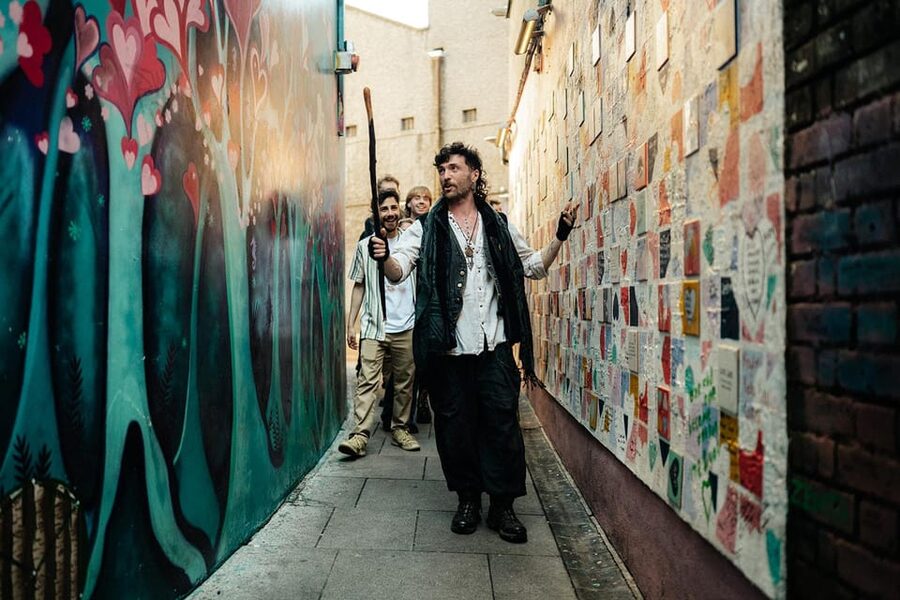
Street art maps Dublin in plain sight. On this 2-hour guided walk, you’ll chase over 30 public artworks and learn Dublin’s street-art language, from murals to stickers. I like that the guides bring real scene context and point you to places you’d miss on your own, plus you get practical art-scouting tips. One drawback: it is not wheelchair accessible, since parts of the route have mobility limits.
You’ll meet outside The Grand Social on Liffey Street, near the trees beside the Ha’penny Bridge, then spend the next couple of hours in the city center on photo stops built around what’s actually on the walls. It’s a simple setup, easy to join, and the price of $17 gets you a live guide plus ongoing recommendations you can use during your stay.
You’ll learn what to look for across murals, graffiti, stickers, and paste ups, and you’ll be encouraged to take photos as you go. After the tour, you also get artist follow-up links, plus a visit to a tucked-away gallery where you can support the creatives directly.
In This Review
- Key things I’d plan around
- Dublin’s street art scene is the real city read
- Price and time: $17 for a guided art route that actually guides
- Meeting outside The Grand Social, near the Ha’penny Bridge
- Yamamori Tengu and Abbey Court Hostel: learning how to read walls fast
- The Icon Factory and The Icon Walk: where street art meets creative industry
- Temple Bar and Blooms Hotel: art in the busiest tourist zones
- Project Arts Centre and Crampton Court: creative spaces with street-level energy
- How the guide changes your street art photos
- Tips for respecting the art and keeping the vibe right
- Who should book, and who should choose something else
- Should you book this Street Art Walking Tour?
- FAQ
- How long is the Street Art Walking Tour?
- Where do we meet the guide?
- Does the tour run if it rains?
- Is the tour wheelchair accessible?
- Can I get a refund or swap my ticket if I change plans?
- What should I avoid during the tour?
Key things I’d plan around
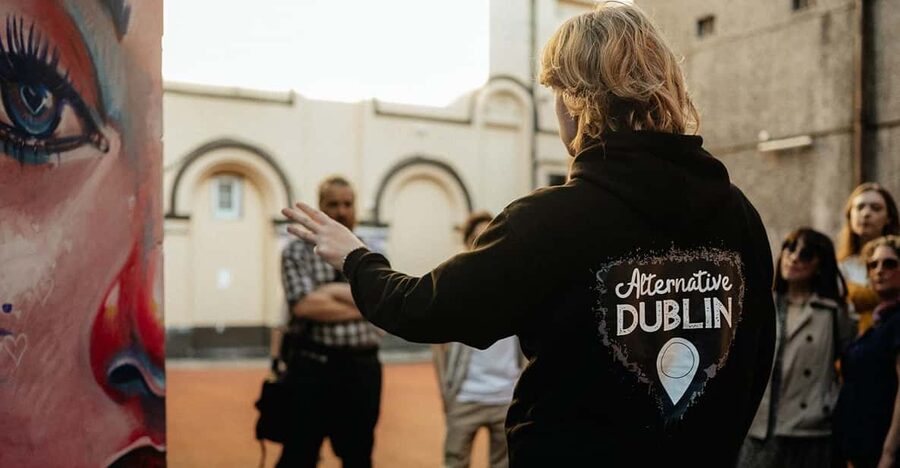
- A 2-hour street-art focused route through Dublin city center, designed for walking and photos
- 30+ public artworks across murals, graffiti, stickers, and paste ups
- Guides who are in the scene, some with street art or graffiti experience in their spare time
- Lesser-known stops that reward slow looking, not just big sights
- A gallery visit where you can buy prints or commission work (if you want to)
- Rain-friendly attitude, the tour keeps going, just bring an umbrella
Dublin’s street art scene is the real city read
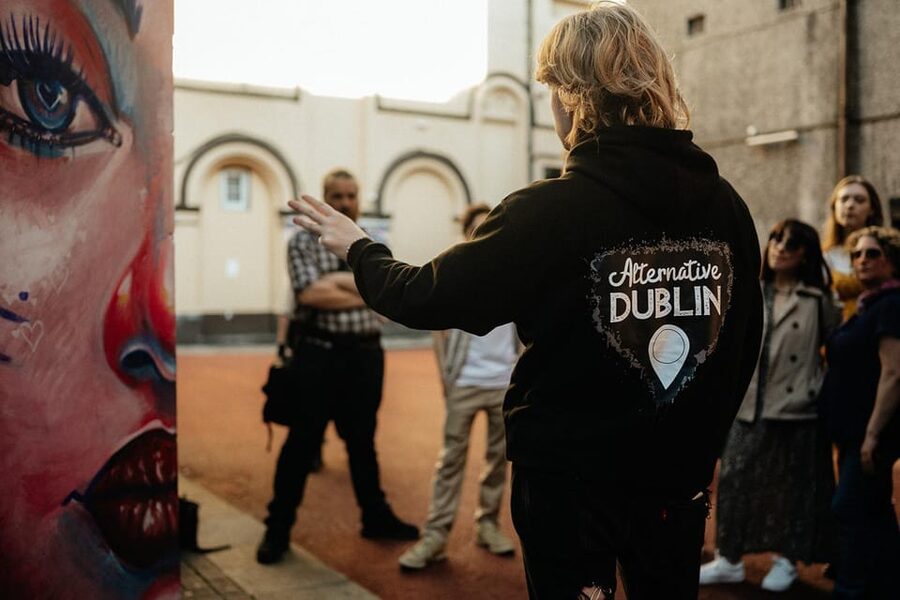
Dublin street art is not just decoration. It’s commentary, humor, politics, grief, pride, and plain old creative ego, all plastered onto the places people actually live and pass every day. On this tour, you’ll be taught how to see it as a language with different dialects.
That matters because street art can feel random if you only glance. With a guide, the city becomes organized. You start noticing why certain walls get chosen, how artists build repeat themes, and how styles differ across murals, tags, paste ups, and sticker work. You’ll also get the sort of insider info that makes the walls feel less like anonymous scribbles and more like a local conversation.
I also like that the tour frames street art as part of an underground culture, not a museum display. You’re walking through real neighborhoods and creative zones, which means you get context you cannot get from a brochure. And when you finish, you should see Dublin differently, not just remember where the photos were taken.
More of Dublin crossed at walking pace:
Price and time: $17 for a guided art route that actually guides
At $17 per person for a 2-hour walk, this is priced like an activity, not a big-ticket attraction. The value is in the live guide and the structure. You’re not just wandering. You’re following a route that connects different types of street art to how Dublin’s creative scene works right now.
Time matters here. Two hours is long enough to cover multiple hotspots and teach you what you’re seeing, but short enough that you can still fit other plans the same day. The operator also notes there are different starting times, so you can match it to your energy level.
You’ll also pick up practical payoffs beyond photos. The guide is there to offer tips and recommendations for places to visit in Dublin during your stay, with the goal of helping you optimize your enjoyment. Then, after the tour, you’ll receive links to each artist featured, so you can keep exploring after you get back to your hotel.
One more value point: you get a chance to support artists. The tour includes time at a tucked-away gallery in the city center where you can buy prints, paintings, or even commission work if that’s your thing.
Meeting outside The Grand Social, near the Ha’penny Bridge
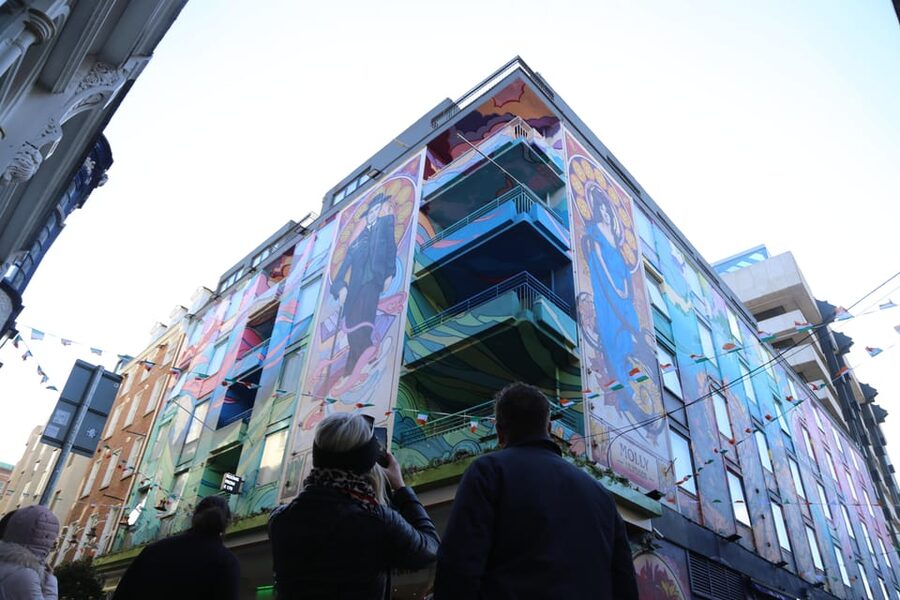
Your tour starts outside The Grand Social on Liffey Street. The guide meets you in the public space by the trees beside the Ha’penny Bridge, which is a smart choice. You’re near a landmark, but you’re not stuck inside a crowded attraction line. It makes the start easy to find, even if you’ve just arrived in Dublin.
This first stretch sets the tone. Early on, you’re getting oriented to street art styles and the basics of how to look. The guide’s job is not just to point at things, it’s to give you a framework so the rest of the walk clicks.
Even if you’re only casually into art, the format works. You get short guided segments, then photo stops. That keeps the pacing friendly and prevents the tour from turning into a lecture marathon.
If you’re coming from a morning of museums, this is a nice switch. If you’re new to Dublin and want your bearings fast, it’s also a solid way to learn the city’s street-level creative pulse without doing extra homework.
Yamamori Tengu and Abbey Court Hostel: learning how to read walls fast
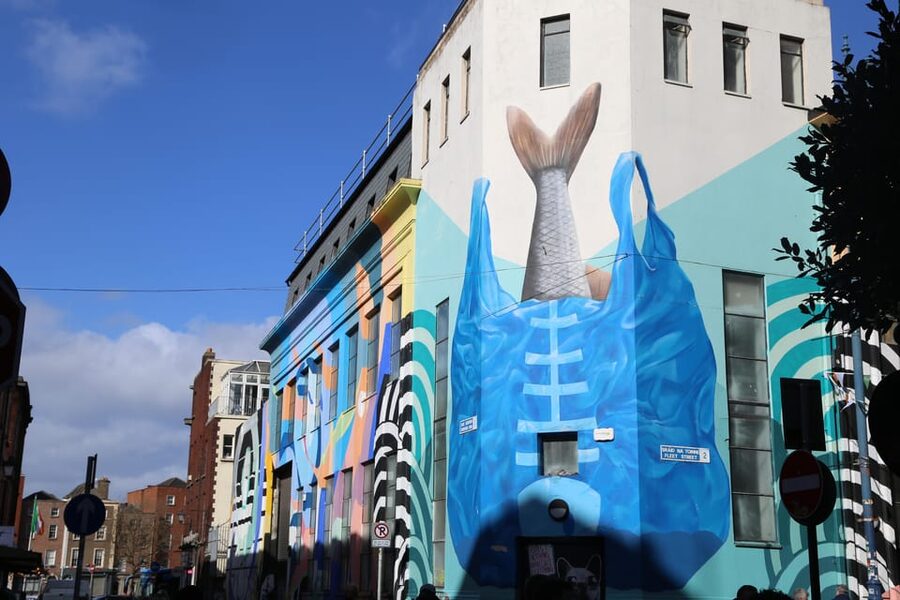
The first two stops are designed for early momentum. You begin with a photo stop at Yamamori Tengu, then you move to Abbey Court Hostel for another guided pause with time to take pictures.
At these points, the tour usually feels like training wheels for your eyes. You’re watching the guide point out details you would normally miss, especially if you were rushing by. Street art moves fast in a city. Pieces change. New stickers appear. Paste ups vanish. The guide helps you notice what’s intentional versus what’s accidental.
Abbey Court Hostel also gives you a useful contrast. Street art lives at different levels, from more public-facing walls to places that feel more tucked in and local. That contrast is one reason the route works. It’s not only about the “coolest mural.” It’s about understanding street art as a system that spreads through the city in different ways.
Photo stops here matter, because you’ll build a habit. Instead of taking random pictures, you start taking photos with a purpose, like capturing the style, the placement, and the cues that explain the piece.
The Icon Factory and The Icon Walk: where street art meets creative industry
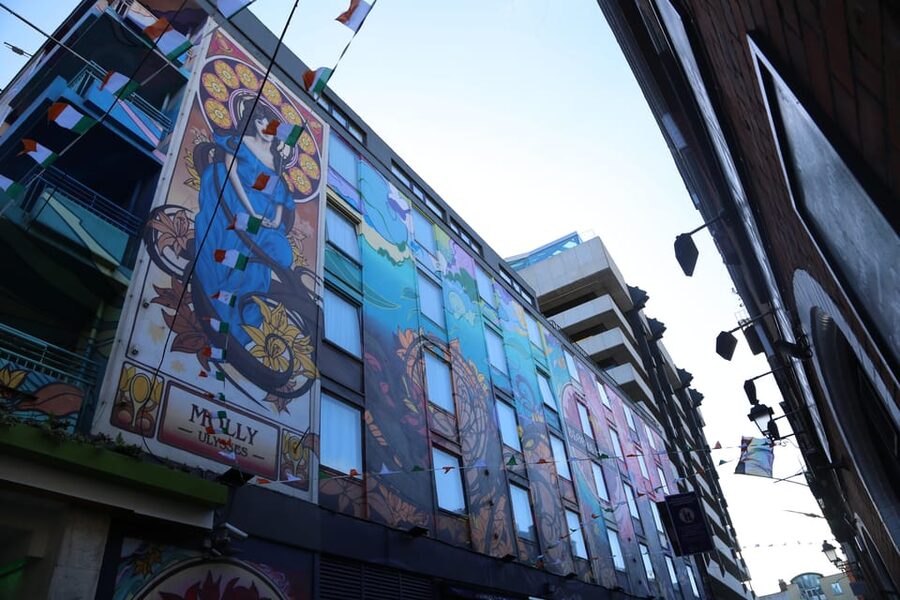
Next you head to The Icon Factory and The Icon Walk. This is one of the route’s most interesting intersections: street art culture placed close to creative branding, production, and people who actually make art for a living.
Even without getting lost in art theory, you’ll understand the point quickly. Street art is not isolated. It rubs shoulders with professional design work, community art spaces, and the wider creative economy. This stop helps you connect the underground to the mainstream, without pretending it all started there.
You also get more structured time here, with a longer guided segment and a photo stop rhythm that lets you slow down. For me, that is key. Some pieces you can glance at and move on. Others reward attention, like when you spot how an artist uses scale, edges, and repetitive elements to make a piece readable from different distances.
If you like to track artists and styles, this stop is a good place to pause and really look. You’re learning, not just sightseeing.
A few other Liffey-side days to consider
- Dublin Street Art Walking Tour
★ 5.0 · 68 reviews - Dublin : Street Art Walking Tour
★ 5.0 · 3 reviews
Temple Bar and Blooms Hotel: art in the busiest tourist zones
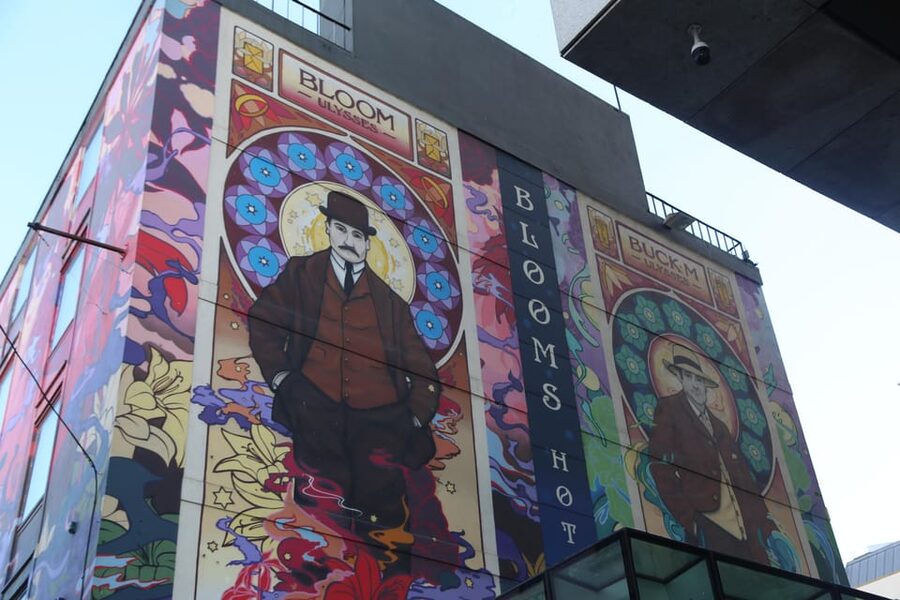
After The Icon area, you’ll hit Temple Bar for a photo stop and guided sightseeing. Then you continue to Blooms Hotel for another short guided pause.
Temple Bar can feel like Dublin’s spotlight district, but street art often behaves differently in busy areas. You’ll likely notice how street art can cut through the crowds and commercial look, adding texture that feels local rather than packaged. This is where the “underground culture” framing gets tested. You see street art operating even when the city is loud.
At Blooms Hotel, the same idea continues. You get a chance to see how street art sits beside everyday city life, from signage and facades to foot traffic patterns. It’s the kind of contrast that makes a guided tour valuable. Without a guide, you might only notice what’s visually loud. With a guide, you also notice what’s quietly saying something.
Photo-wise, these stops are great if you want both street art and real Dublin energy in the same frame. Just keep your camera ready and follow the guide’s cues so you capture the right angles and context.
Project Arts Centre and Crampton Court: creative spaces with street-level energy
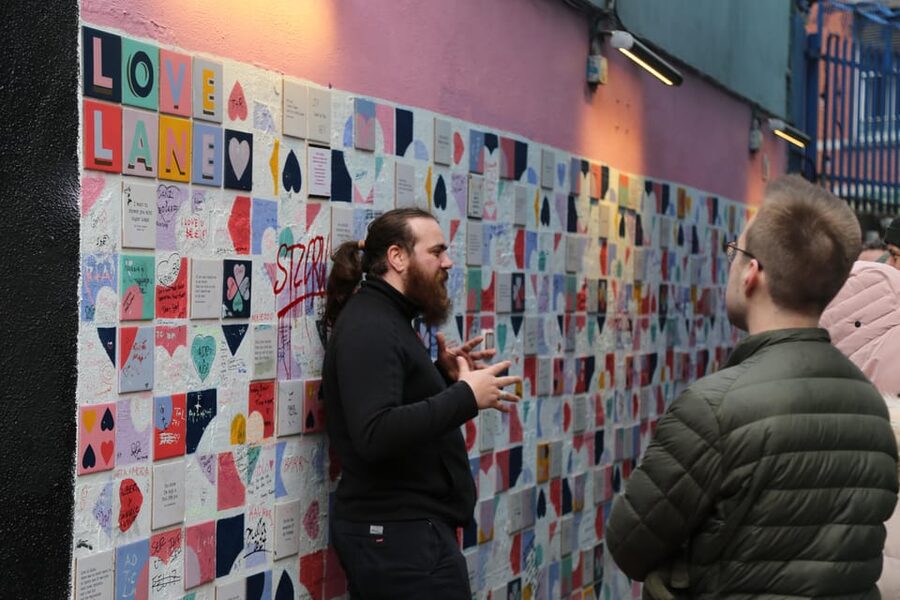
You’ll then make your way toward Project Arts Centre, with a photo stop and a shorter guided sightseeing segment. After that, you move to Crampton Court, where the walk ends.
Project Arts Centre adds a different kind of context. It’s not just street art on a wall. It’s a reminder that Dublin has institutions and spaces that support art, performance, and community creativity. When street art shows up near places like this, it helps you understand the overlap between street culture and formal creative work.
Crampton Court is a fitting finish because it feels like a creative cluster rather than a single sight. You’ll get your last photo and guided moments there, and it’s also a logical place to wrap your head around what you just learned. If you’re thinking, okay, so what do I do next with this inspiration, this stop helps close the loop.
One more important part of the experience: the tour includes access to a tucked-away gallery space. Even if you’re just browsing, it gives you a way to spend your money where it actually supports artists, rather than only buying souvenirs that have no creative connection.
How the guide changes your street art photos
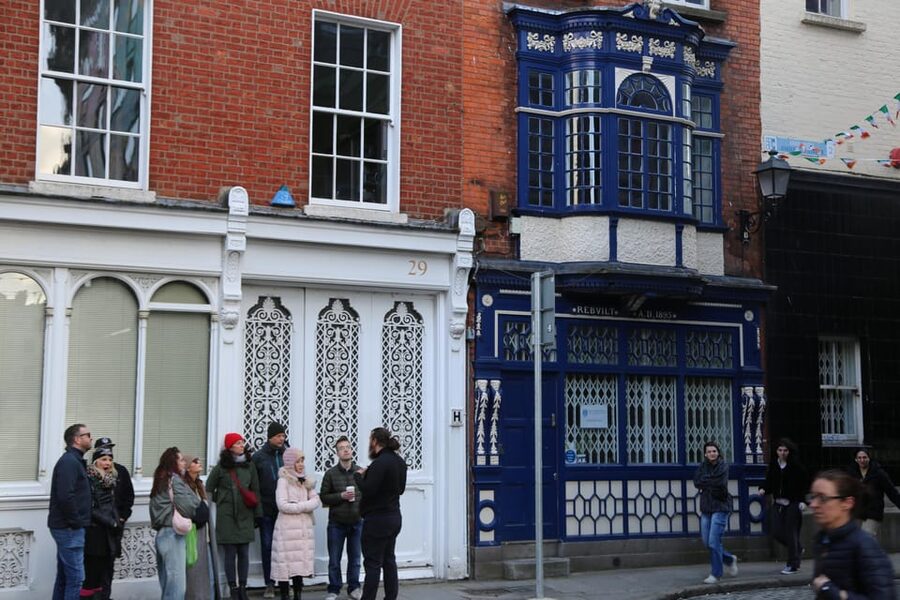
A big reason people love walking street art tours is simple: photos turn into memories, and memories turn into stories. This tour is built around that, with photo stops at each location and guided explanations that make your camera time more useful.
Here’s how I’d approach it as you walk:
- Look first, then photograph. Let the guide explain what you’re seeing, then shoot.
- Capture more than the artwork. Include edges, nearby street context, and placement so you remember the scale and setting.
- Treat stickers and paste ups like they matter, even if they look small. The tour covers them as part of Dublin’s full street art vocabulary.
Also, don’t ignore the practical side. The tour is outdoors and you’re walking. Wear shoes you trust. Bring your umbrella if rain is in the forecast, since the operator states tours proceed even if it’s raining.
The tour is in English, so if you want to ask quick questions, you’ll have a good chance during the guided stops. If your guide has active experience in street art or graffiti, you’ll likely get even better context and clearer explanations.
Tips for respecting the art and keeping the vibe right
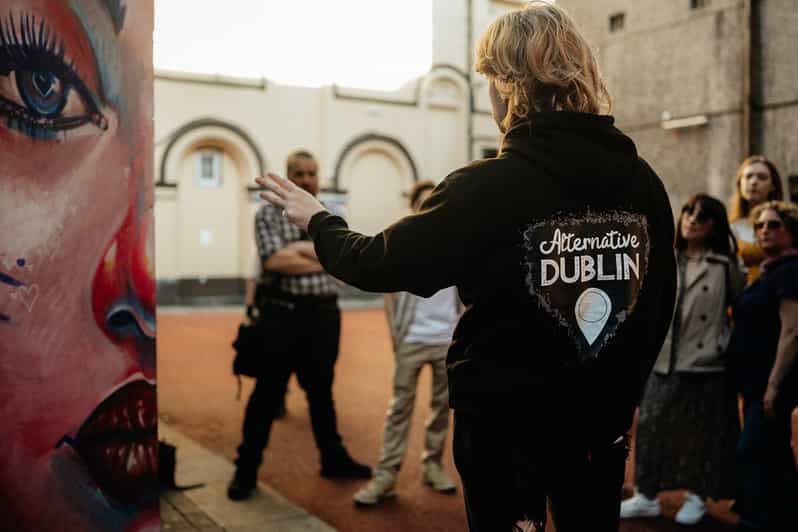
Street art tours work best when everyone plays along with the culture. The operator lists clear boundaries: no weapons or sharp objects, no intoxication, no alcohol or drugs, no explosive substances, no making fire, and no nudity.
That’s not there to spoil the fun. It’s there to keep the experience safe and respectful. It also protects the artists and the places you’re visiting. If you want to enjoy the art scene, do it like a decent neighbor, not like you’re filming a stunt.
If you’re hoping to buy prints or commission work at the gallery, it helps to have an idea of your budget. The tour is not pushing purchases, but it makes supporting artists feel normal and possible.
And if you’re the type who likes to keep exploring after a tour, ask your guide for follow-up recommendations. The operator notes the guide can give tips on places to visit during your stay, which can turn one good experience into several.
Who should book, and who should choose something else
This street art walk is a strong fit if you want:
- A guided way to understand murals, graffiti, stickers, and paste ups
- Photo stops that feel intentional rather than random
- A route that includes lesser-known spots across the city center
- A chance to visit a small gallery and support artists
It’s also a good match if you like hands-on city energy. You’ll get underground culture context without needing to know anything first.
There are limits. The tour is not suitable for people with mobility impairments, and it is not suitable for wheelchair users. So if accessibility is a major factor for you, you’ll want to consider a different format.
If you’re traveling with a larger group, the operator also offers private tours for friend groups, work parties, educational tours, and community tours. That can be a smart option if you want the same street art focus with more control over timing.
Should you book this Street Art Walking Tour?
Book it if you want Dublin with texture. This is not a route where you only tick off famous landmarks. It’s a guided street-art walk built around what’s happening on the walls right now, plus insider context that makes street art easier to understand and more fun to photograph.
It’s also a good value. For $17, you get 2 hours of live guidance, photo stops across 30+ public artworks, recommendations for your wider Dublin plans, and a follow-up with artist links. Add the gallery visit for supporting artists, and you get more than a quick photo moment.
Skip it if you need wheelchair-friendly routing or if walking for about two hours is difficult for you. The operator is clear about mobility limits on parts of the route, so this is worth taking seriously.
If you can walk and you like art that feels alive, this tour should be one of your easiest wins in Dublin.
FAQ
How long is the Street Art Walking Tour?
It runs for 2 hours.
Where do we meet the guide?
You meet outside The Grand Social on Liffey Street, in the public space with the trees beside the Ha’penny Bridge.
Does the tour run if it rains?
Yes, the tour proceeds even if it’s raining. Bring an umbrella or rain jacket if you can.
Is the tour wheelchair accessible?
No, the tour is not suitable for wheelchair users, and parts of the tour are not accessible for everyone.
Can I get a refund or swap my ticket if I change plans?
For cancellation, you can cancel up to 24 hours in advance for a full refund. The operator also notes they need 5 days notice to issue a refund. Ticket swaps are not available unless you give 5 days notice, but you can transfer your ticket to another person.
What should I avoid during the tour?
The tour does not allow weapons or sharp objects, intoxication, alcohol and drugs, explosive substances, making fire, or nudity.
Just in from the Liffey side





Walking Tours, compared.
Dublin Highlights and Hidden Gems Guided Walking Tour
Read our review →
90 Minute Dublin Walking tour and Sightseeing tips
Read our review →

Historical 2-Hour Guided Walking Tour of Dublin
Read our review →
Dublin Traditional Irish 3 Course Meal Walking Tour with Local
Read our review →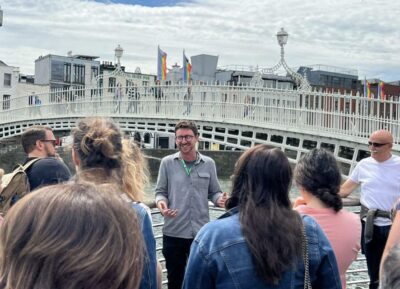
Browse the lists this tour appears in