
Reviewed · HISTORICAL TOURS
Dublin LGBTQ Pride Historical and Cultural Walking Tour
Dublin has layers, and this walk peels them back fast. You get a queer-history lens on classic sights, plus the names and places that usually get skipped. I liked that it mixes big landmarks with smaller moments that explain how LGBTQ+ life and activism took shape in Ireland.
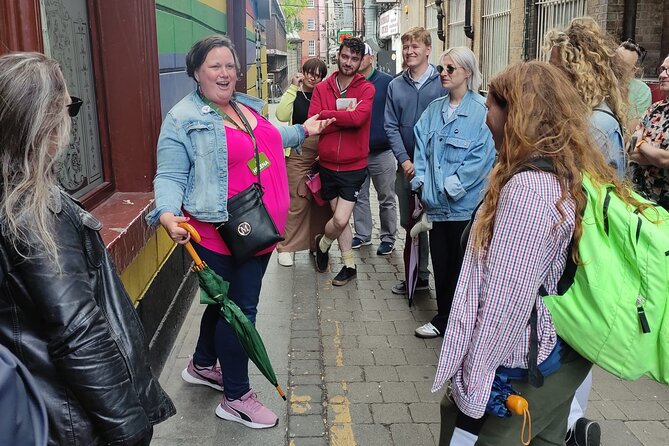
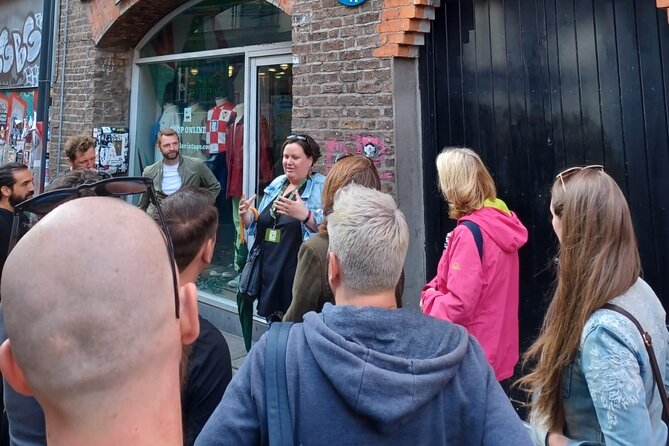
Two things I really enjoyed: the route is easy to follow on foot through central neighborhoods, and the guide energy makes the stories feel immediate, not dusty. In one group I was with, Helena brought a lively, passionate tone and lots of context on people who might otherwise be forgotten. In another, Deidre was just as upbeat and added a strong link between LGBTQ+ and women’s rights movements alongside Irish history.
One possible drawback: it is only about two hours, so you will cover a lot of ground and you might not get time to linger at every photo-worthy spot. If you like slow museum pacing, plan a little extra time before or after.
In This Review
- Key highlights to clock before you go
- Queer Dublin on foot: how this 2-hour route actually feels
- Meeting point at Temple Bar: getting oriented fast
- GPO Museum and 1916: seeing queer stories inside a major national moment
- Abbey Theatre: when performance becomes activism
- Liberty Hall and the first Pride parade: the heavier thread
- Trinity College Dublin: the famous arch, plus what you learn under it
- Meeting House Square and the 1980s: hope, people, and place
- River Liffey moment: Anna Livia and the bridge between sides
- Gay headquarters and the other end of Temple Bar
- The George Bar: Dublin’s oldest operating gay bar
- Dublin Castle finish: 1,200 years of setting the final scene
- Price and value: why $29.02 can make sense here
- Who this tour fits best (and who should choose differently)
- Tour vibe and guide energy: why the small-group feel matters
- Should you book? My honest take
- FAQ
- How long is the Dublin LGBTQ Pride Historical and Cultural Walking Tour?
- Where does the tour start and where does it end?
- Is the tour in English?
- Are admissions included at the stops?
- Is there a mobile ticket?
- Is free cancellation available?
Key highlights to clock before you go
- Temple Bar, start to finish: you begin in the heart of the district and loop back for an LGBTQ+ headquarters site and the George Bar.
- GPO Museum without paid entry: a key 1916 Easter Rising setting, connected to gay figures and how they are remembered.
- Abbey Theatre stop: Ireland’s national stage tied to LGBTQI+ icons and their role in shaping modern Irish life.
- Liberty Hall storytelling: includes the first ever gay pride parade in Ireland and an inspirational trans activist.
- Trinity College Dublin add-on: included sights in the college area, but admission at Trinity is not included.
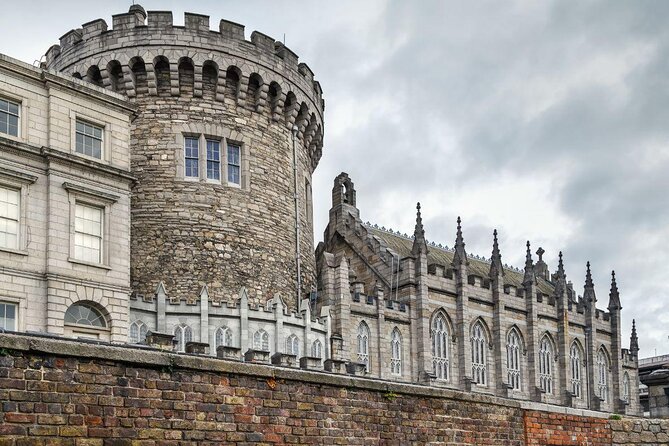
- A final finish at Dublin Castle: you end in the upper courtyard of a place with about 1,200 years of history behind it.
Queer Dublin on foot: how this 2-hour route actually feels
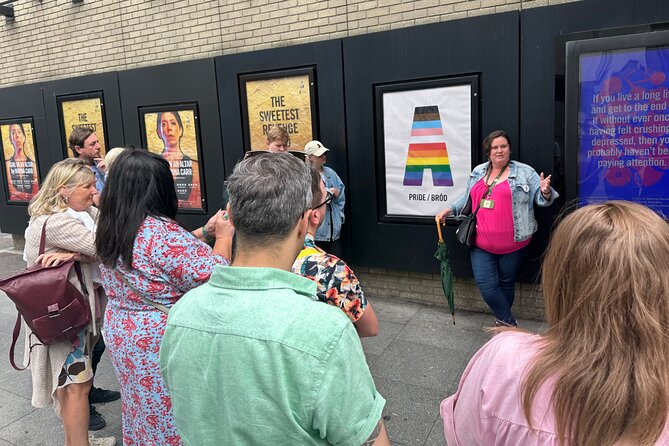
This is one of those tours where you do not just check boxes. You walk through central Dublin like you would on a normal sightseeing loop, but the guide keeps pointing at the LGBTQ+ threads in the city. That means Temple Bar is not only about nightlife photos. It becomes a starting point for real social history, including what kinds of spaces supported queer life and activism.
The pace is designed for a city-center walking experience. You are typically looking at short stop times, then moving on, which is great if you only have a day or two in Dublin. It also helps you avoid the slow-burn problem where you spend half your trip trapped in one building. Here, the route spreads the story across multiple landmarks, so you get a fuller mental map of the city.
It also helps that the tour is offered in English, it uses a mobile ticket, and the group size is capped at 100. That cap matters because it signals it is not a massive cattle-car tour. You still have to walk city streets, of course, and you should have moderate physical fitness, but it is not pitched as a hike.
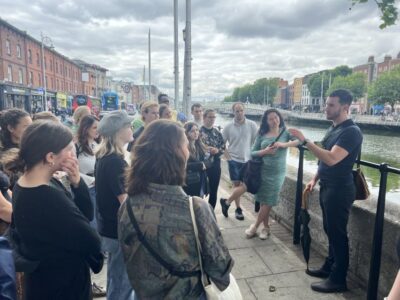
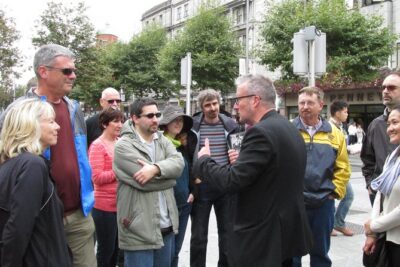
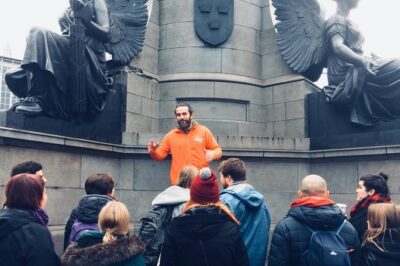
More of Dublin crossed at walking pace:
Meeting point at Temple Bar: getting oriented fast
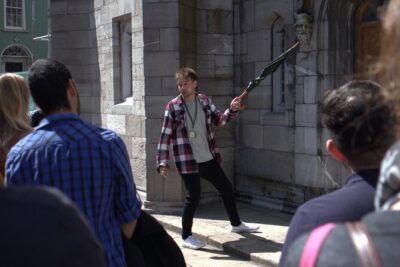
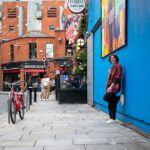
You start at 3 Crown Alley in Temple Bar, right in the pulse of one of Dublin’s most recognizable areas. If you have ever walked around Temple Bar before, you already know the vibe: lively, busy, and very photo-friendly. What you might not know is how quickly the guide turns that setting into a history lesson.
The first stop is at Temple Bar itself. From there, the tour heads toward another iconic landmark: the city’s most famous and most photographed bridge. You get a quick transfer between neighborhoods, but you also get a story-thread connection that makes the bridge more than a view. It is part of how the tour frames queer Dublin’s public and private spaces, and how visibility has changed over time.
Practical tip: wear shoes that can handle cobblestones or uneven sidewalks. You are moving constantly, and the stops are short, so you will want your legs to be fresh at the start.
GPO Museum and 1916: seeing queer stories inside a major national moment
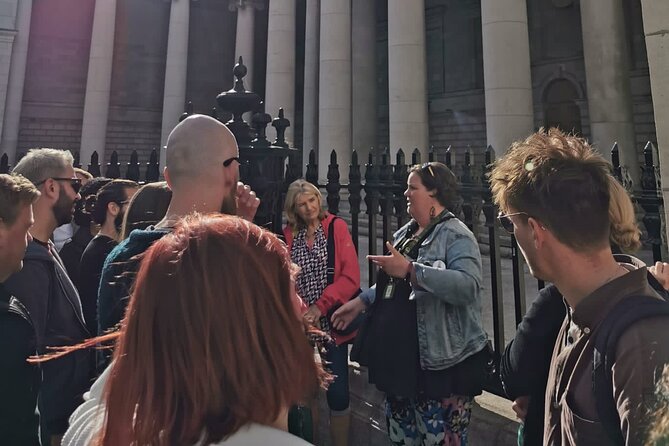
Stop two is the GPO Museum, a big name in Irish cultural and historical travel. It sits at the center of the 1916 Easter Rising, which gives the tour a powerful anchor early on. The smart move here is how the guide connects the queer lens to a landmark most people already want to see.
Instead of treating LGBTQ+ history as a separate track, the tour uses this setting to point out gay figures tied to the events of that week and how those people are remembered today. That approach matters, because it forces you to confront a simple question: where are LGBTQ+ stories in the official versions of history?
A lot of tours talk about Pride in a general way. This one uses a nationally important building to show that LGBTQ+ life intersected with major events, even when it was not treated as openly as you might expect.
Admission note: at this GPO Museum stop, the ticket is listed as free for the tour.
Abbey Theatre: when performance becomes activism
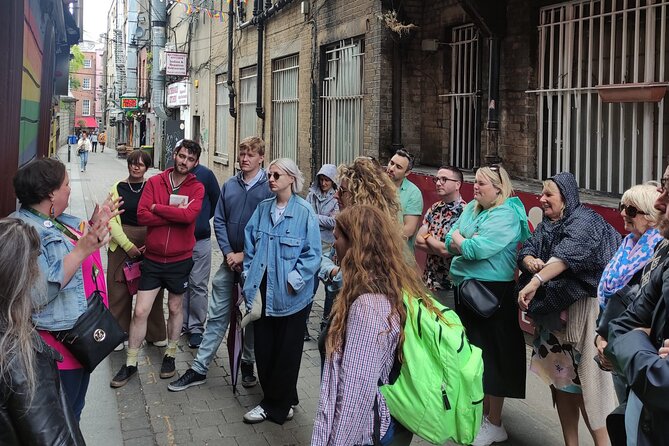
Next you hit the Abbey Theatre, Ireland’s national stage. On paper, it sounds like a classic stop, which is why it works well. It is familiar even if you do not know Irish theater history.
But the way the guide frames it is the point. Here, you are not just learning about theater. You are learning about an inspirational contemporary gay icon and their role in shaping Ireland’s modern landscape. The stop is built to remind you that visibility is not only about politics and street protests. It is also about stories told on stage, writers and artists, and the cultural shifts that make social change more possible.
Admission note: this stop is listed with free admission for the tour.
If you are the type who likes your history with emotion, this is one of the places where it can land. A theater building always makes the past feel a little more human.
Liberty Hall and the first Pride parade: the heavier thread
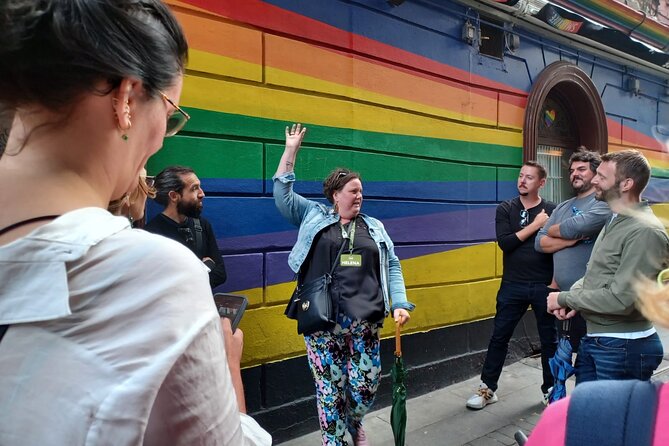
After the Abbey, you move into Liberty Hall territory. This stop is where the tour leans more serious, and that is a good thing. It is not all celebration and nightlife. It shows what it took to push for visibility and rights in a country where LGBTQ+ people faced ridicule and danger for many years.
The tour focuses on the tragic and tumultuous circumstances around the first ever gay pride parade in Ireland. It also includes discussion of an inspirational trans activist. This is where the guide’s job gets harder, because you need clarity, sensitivity, and context to discuss people who were treated unfairly, while also keeping the story anchored in actual places you can stand and look at.
Time is short at each stop, so you are not expecting a full lecture. But the pacing helps: you learn, you absorb, then you keep walking. If you are hoping for a tour that handles the hard parts without turning them into spectacle, this stop tends to deliver that.
Admission note: Liberty Hall is listed with free admission for this tour.
More of the rising and the years after:
- Dublin Historical Centre Food Tour with 8 Food Tastings & Drinks
★ 5.0 · 1,718 reviews - 2-Hour Historical Walking Tour from Dublin
★ 5.0 · 875 reviews - Historical 2-Hour Guided Walking Tour of Dublin
★ 4.7 · 865 reviews - Dublin to Cork, Blarney Castle & Cóbh Heritage Centre by train
★ 4.5 · 510 reviews
Trinity College Dublin: the famous arch, plus what you learn under it
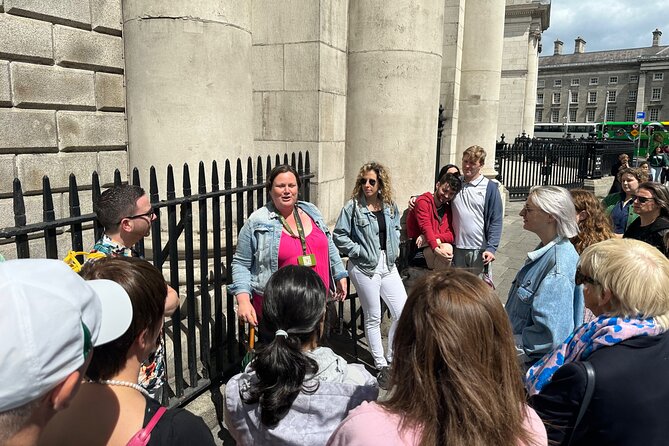
You then head to Trinity College Dublin, one of the oldest and most famous colleges in Ireland. This stop is another “wow, I know this place” moment, thanks to the iconic buildings and the classic college-green feel.
Here, the tour connects the campus to famous LGBTQI+ alumni who have passed beneath the famous old arch. It also includes time to explore the wider College Green area.
Important practical detail: Trinity College Dublin is listed as ticket admission not included. That means you should plan for that if the tour route includes anything you want to enter or access that requires paying separately.
If you want a smooth day, I recommend you do two things. First, decide in advance whether you care about entry versus just exterior views and the walk through the area. Second, bring some flexibility, because a paid add-on can change how long you want to spend in that final section.
Meeting House Square and the 1980s: hope, people, and place
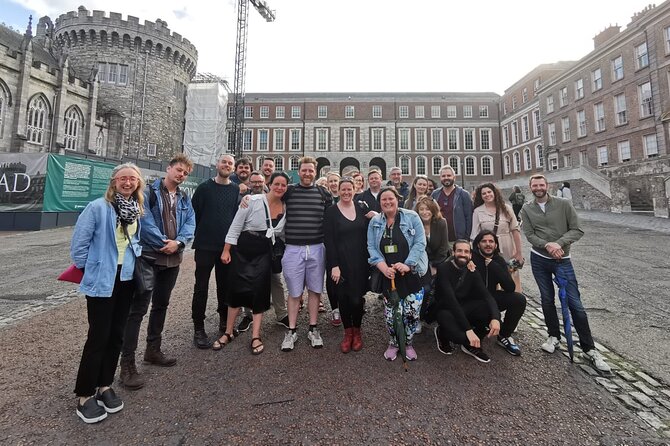
After Trinity, you head toward Meeting House Square by Sean Harrington Architects. This part of the route circles back through Temple Bar again, and it is framed around the changing landscape of queer Dublin in the 1980s.
This is one of the stops I would expect people to remember most, because the city starts to feel like a living organism. The guide talks about people who brought hope and light to a community, plus the thinkers and change makers active at the time.
You end up with a sense of how queer life persisted and adapted, even when laws and public attitudes were not friendly. That human scale matters. You are not only learning about famous names. You are also learning about networks, ideas, and the kind of daily courage that keeps movements alive.
Admission note: this stop is listed as free for the tour.
River Liffey moment: Anna Livia and the bridge between sides
One of the stops is described as straddling Dublin’s famous waterway, with a special nod to Anna Livia. That name is tied to Dublin’s identity and river lore, and the tour uses it to give you a quick cultural grounding point.
You are not just crossing for logistics. You are crossing as part of the story, with the guide helping you see the river as something more than scenery. It becomes a line that separates neighborhoods and histories, but also links them.
If you like Dublin for its geography, this part is a nice reset. You get a view, you get a story connection, then you keep moving.
Gay headquarters and the other end of Temple Bar
The tour loops around to explore the other end of Temple Bar, including the site of Ireland’s first ever bona fide Gay headquarters. The description is specific: a café, disco, cinema, and more.
This is one of those details that makes the tour feel alive. Headquarters are not just offices. They are social spaces. They are places where people meet, share information, and form community. Even if you do not fully understand the history before you arrive, the guide makes the concept tangible.
Admission note: this stop is listed with free admission for the tour.
The George Bar: Dublin’s oldest operating gay bar
Next up is the George Bar, described as Dublin’s oldest operating gay bar and a cultural institution at the center of the city’s LGBTQ+ community.
This is where a walking tour can either feel like “and here is a bar” or become something more. In this case, the guide’s job is to talk about what the pub has meant over time, not just where it is. You learn why people still associate certain places with community life, and how those spaces hold memories even as the city changes.
Admission note: listed as free for the tour.
If you plan to grab a drink afterward, this is the stop that helps you do it with context. You will know what you are looking for when you step inside.
Dublin Castle finish: 1,200 years of setting the final scene
The tour ends at Dublin Castle. The finish is at the upper courtyard of the historic complex in central Dublin. The tour description points to about 1,200 years of history tied to the site, which is a useful way to give the walk a big closing frame.
Ending at Dublin Castle does something smart. You start in the lively Temple Bar district and end in a place that feels formal, historic, and political. It underlines one big idea of the tour: queer history is not only about nightlife and side streets. It also belongs in national stories and public spaces.
Admission note: listed as free for the tour.
Price and value: why $29.02 can make sense here
At $29.02 per person for about two hours, the price lands in the reasonable range for a specialized walking tour. What makes it feel like good value is the mix of major landmarks with included stops.
Many stops are listed as free for admission within the tour experience. And you get more than a simple “look at that building” approach. The tour links each place to queer history, LGBTQ+ and trans activism, and how certain figures are remembered.
Also, it is offered in English with a mobile ticket, which makes last-minute logistics simpler for you. If you are traveling with limited time, the two-hour format can be a strong use of your day, as long as you are okay moving at a steady city pace.
The trade-off is that, because each stop is short, you will not get deep museum-style time inside every site. This is a walking-with-context experience, not a standalone museum visit.
Who this tour fits best (and who should choose differently)
This tour fits you best if you want:
- a central Dublin walking loop with story context,
- LGBTQ+ history that connects to mainstream Irish landmarks,
- a guide-led route where the names and places matter.
It is also a good option if you care about learning how activism and identity shaped public life over time, including moments tied to major national events and major cultural institutions.
You might choose another style of tour or add extra time if:
- you prefer long, slow time inside buildings,
- you want a full, detailed account of any single theme without moving on.
Tour vibe and guide energy: why the small-group feel matters
The guide role is a big part of why this experience earns such strong ratings. In the accounts I’m drawing from, Helena was praised for being enthusiastic and passionate, with a clear focus on queer history in Dublin and on names that might otherwise be forgotten. Deidre also stood out for being energetic and for connecting LGBTQ+ stories to wider Irish history and women’s rights movements.
That matters because queer history can be both empowering and heavy. A good guide keeps it understandable and human. And when the guide is energetic, it helps you stay engaged even when the subject turns serious.
Group size also helps the vibe. With a maximum of 100, and typical walking-tour pacing, you are far more likely to feel like you are part of the experience rather than watching it from a distance.
Should you book? My honest take
Yes, I think you should book this tour if you want a smart, efficient way to learn queer Dublin alongside the city’s best-known sites. The route hits Temple Bar, GPO, Abbey Theatre, Liberty Hall, Trinity College Dublin, the George Bar, and ends at Dublin Castle, so you see places you would likely seek out anyway, but with stories that change how you interpret them.
Book it especially if you like walking, you want a guided history lesson without spending your whole day in one museum, and you appreciate both the uplifting and the hard parts of LGBTQ+ and trans history in Ireland.
Choose differently if you want a long-form, inside-everywhere tour. This one gives you the map and the key stories, then sends you back out to explore with better context.
FAQ
How long is the Dublin LGBTQ Pride Historical and Cultural Walking Tour?
The tour is listed as about 2 hours.
Where does the tour start and where does it end?
It starts at 3 Crown Alley, Temple Bar, Dublin, and ends at the upper courtyard of historic Dublin Castle.
Is the tour in English?
Yes, it is offered in English.
Are admissions included at the stops?
Most stops list admission as free, including Temple Bar, the GPO Museum, Abbey Theatre, Liberty Hall, Meeting House Square, the Temple Bar headquarters site, the George Bar, and Dublin Castle. Admission for Trinity College Dublin is not included.
Is there a mobile ticket?
Yes, the tour includes a mobile ticket.
Is free cancellation available?
Yes. You can cancel for a full refund up to 24 hours in advance. If you cancel less than 24 hours before the start time, the amount paid is not refunded.
More LGBTQ-Friendly in Dublin
- Dublin Photo Magic: Personalized & LGBTQ+ Friendly
★ 5.0 · 2 reviews
Just in from the Liffey side





Historical Tours, compared.

Dublin Historical Centre Food Tour with 8 Food Tastings & Drinks
Read our review →
Historical 2-Hour Guided Walking Tour of Dublin
Read our review →
Dublin to Cork, Blarney Castle & Cóbh Heritage Centre by train
Read our review →
Jeanie Johnston Tall Ship Irish Famine History Tour
Read our review →

Deliciously Dublin: The Artisan Donut Walking & History Tour
Read our review →
Hidden Dublin: Haunted History Walking Tour v2.0 2026
Read our review →Browse the lists this tour appears in