
Reviewed · HISTORICAL TOURS
Dublin: Jeanie Johnston Tall Ship Irish Famine History Tour
A tall ship tells a painful story. The Jeanie Johnston tour in Dublin’s Docklands brings Ireland’s famine emigration to life with a real ship you can walk on, not just posters. What I like most is the two-level format, starting above deck with the masts and ship history, then dropping below into the cramped passenger world.
I also really like how the guides focus on people, not just dates. When I hear a guide like Steve or Claire explain what people paid for their crossing and what daily life looked like below deck, it clicks into place fast. The one drawback to consider is that the tour isn’t recommended for people with limited mobility, since you’ll need to navigate the ship areas.
In This Review
- Key highlights to look for
- Climbing Aboard in Dublin’s Docklands (and Why That Location Matters)
- Upper Deck First: Masts, Timber-to-People History, and Docklands Views
- Going Below Deck: What Cramped Passenger Life Really Means
- The Irish Famine Emigration Story, Told Like People Lived It
- Ship History and the Replica Angle: Why This Tour Uses a Real Vessel
- Expect the Storytelling Style, and How Guides Shape Your Experience
- How Long It Takes, and What Time of Day Makes Sense
- Value for Money: Why This $16 Tour Can Beat a Longer Visit
- Who This Tour Suits Best (and Who Might Want Another Option)
- Quick Practical Notes Before You Go
- Should You Book the Jeanie Johnston Famine History Tour?
Key highlights to look for
- A 50-minute guided tour that moves from upper deck views to below-deck survival conditions
- Wind, gulls, and Docklands perspectives from the open air around Custom House Quay
- Cramped below-deck living quarters with a focus on up to 250 passengers sharing tight space and limited fresh air
- Human stories of emigration, including how people paid for passage and what they ate on the voyage
- Replica ship context, explaining the original Jeanie Johnston and why the ship’s role changed over time
- Strong guide energy, with many tours praised for clear storytelling and a mix of seriousness and humor
Climbing Aboard in Dublin’s Docklands (and Why That Location Matters)
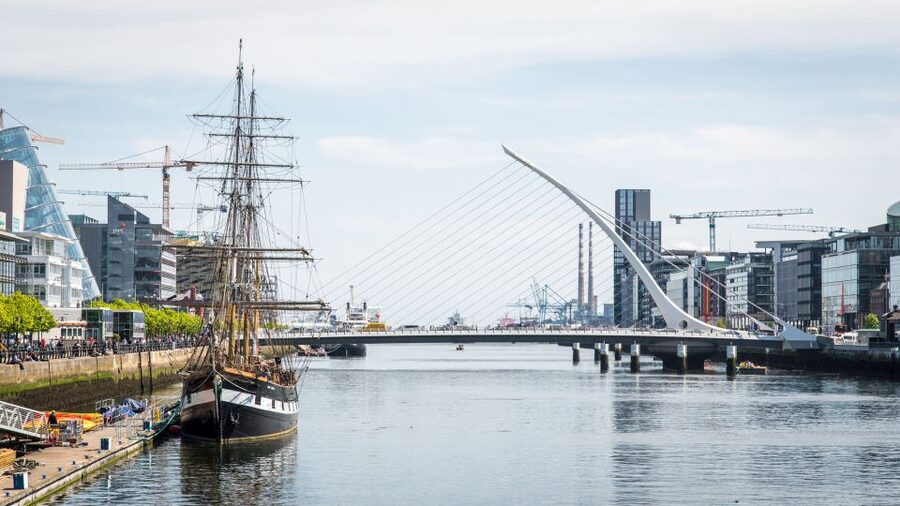
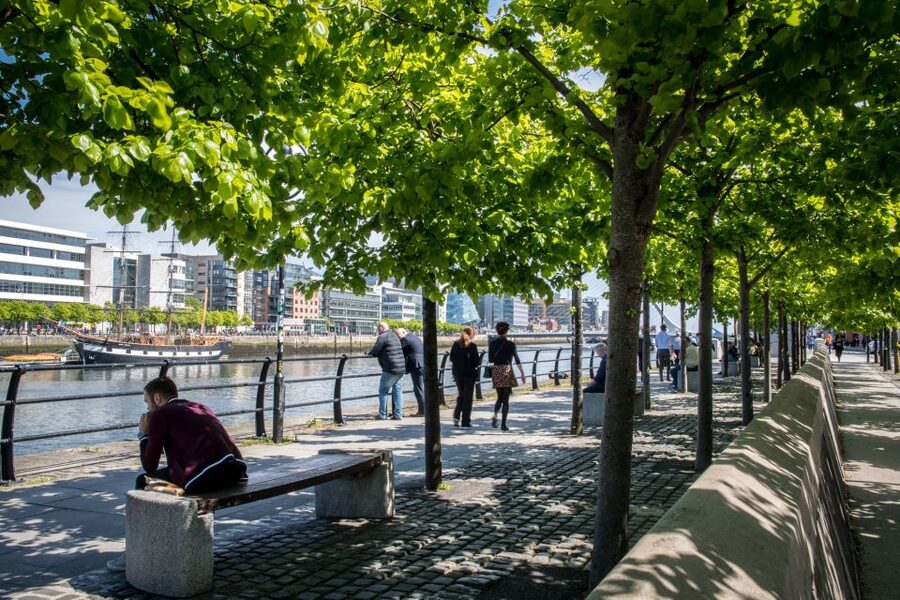
The Jeanie Johnston Tall Ship is docked in Dublin’s North Dock area at City Moorings, Custom House Quay. That setting is a big part of the point. You get the sense that this story belongs to the water and the port, because you’re literally standing where ships once loaded and departed.
The tour itself lasts about 50 minutes, so it’s not a huge time commitment. In a city where you can easily spend a whole morning hopping between museums, this is a compact way to add a deeply moving chapter of Irish history to your day.
Right away, wear comfortable shoes. The ship tour is short, but it involves walking around decks and getting down to spaces below deck, where surfaces can feel tighter and more enclosed.
More of the rising and the years after:
Upper Deck First: Masts, Timber-to-People History, and Docklands Views
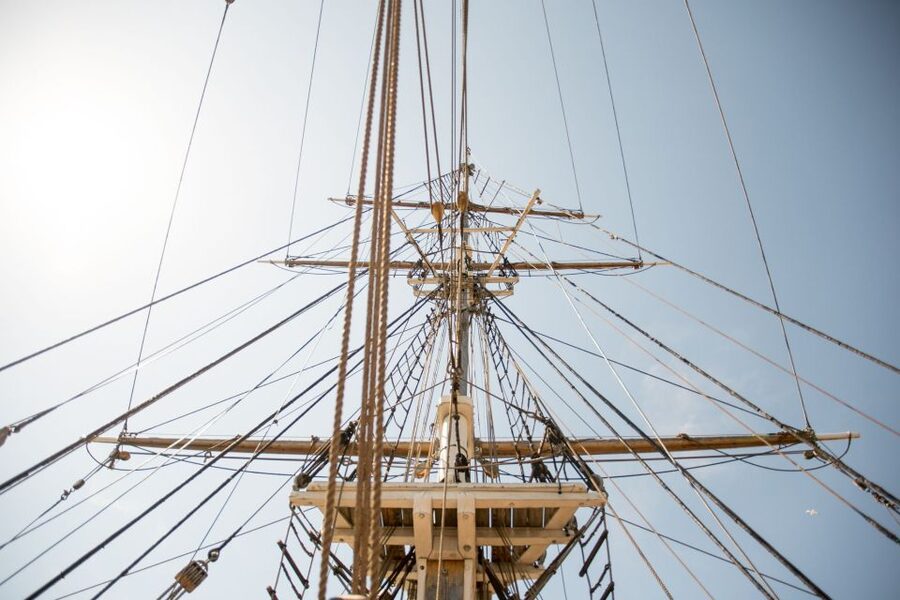
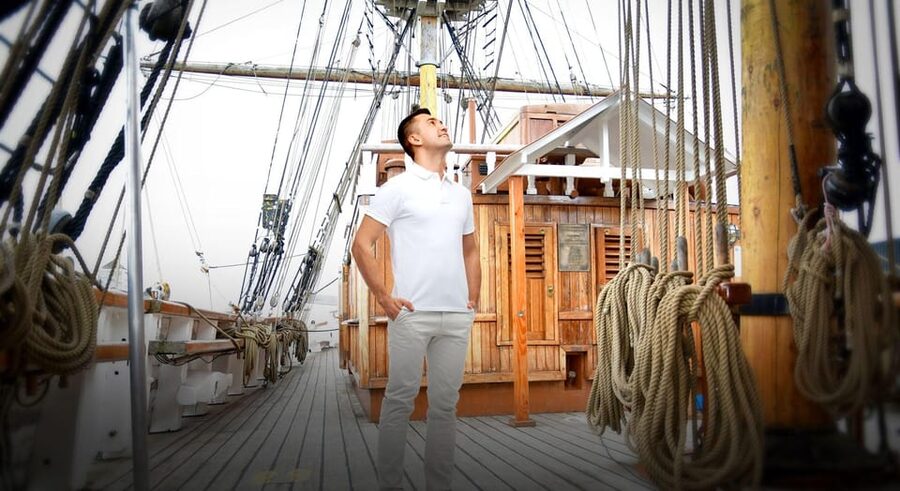
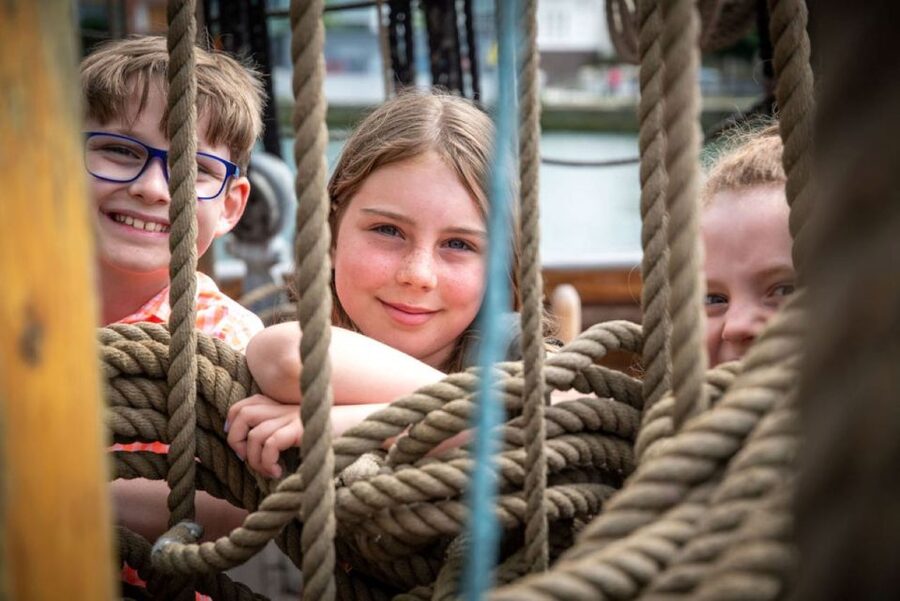
You start above deck, with a walk around the upper area where you can see the masts and craftsmanship up close. This is where the ship’s physical presence does work for you. Tall ships are not quiet, they’re expressive. The rigging and wooden details make the whole vessel feel built for motion, not display.
From there, the guide brings in the ship’s story in a practical way. You’ll learn about the original Jeanie Johnston and the replica, including how the ship’s career shifted from transporting timber to transporting people. That change matters, because it reframes what you’re seeing: the ship isn’t just a symbol, it’s a tool that was repurposed as emigration demand grew.
Then comes one of the most enjoyable moments, the one you can only get from the deck itself. You take in the sights and sounds of Dublin’s Docklands from a unique perspective, with wind in your hair and that salty sea-air feeling. Depending on weather, you’ll also hear gulls overhead, which sounds small, but it makes the ship feel alive instead of staged.
A very simple but effective bonus is that you can grab a snap of yourself on one of the area’s most photographed attractions. It’s not just about a photo, it’s about learning the layout of the scene while you’re standing in it.
Going Below Deck: What Cramped Passenger Life Really Means
After the open air, the tour shifts. You go below deck to see the living quarters, where the story turns from ship details to human endurance.
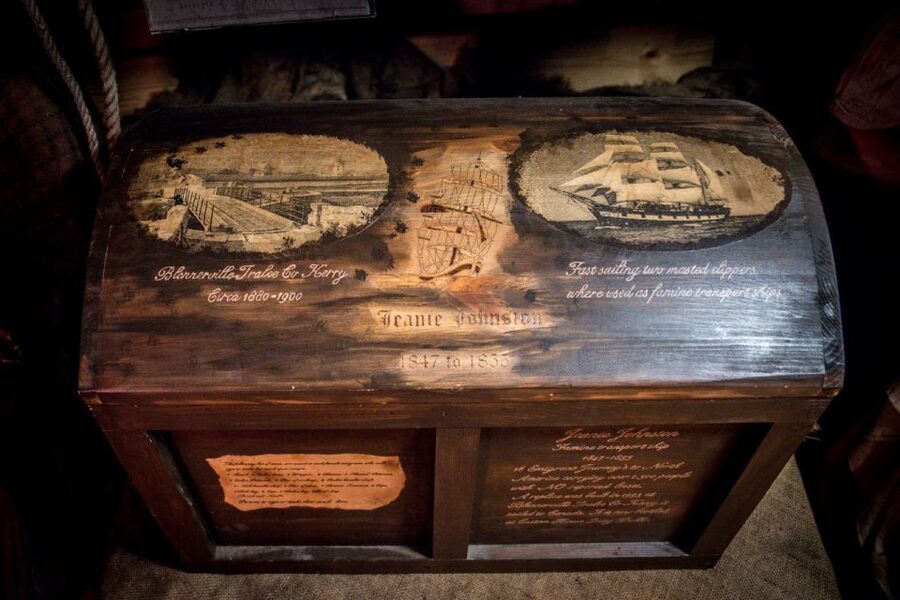
Here’s the key detail you should hold onto: up to 250 passengers spent most of their time in cramped quarters, with only about half an hour of fresh air each day. That single comparison helps you understand why conditions felt so unforgiving, because it turns the idea of being confined into something measurable.
Expect to see the spaces described as living quarters for the voyage. The guide will talk about passengers and crew, and you’ll hear the personal stories tied to those spaces. Some ships of this type use staged figures to represent the era, and on this tour, you may encounter that kind of display as part of the below-deck storytelling.
This is also where the tour doesn’t shy away from the grim parts of emigration. You’ll learn about risks like disease, starvation, and disaster. The goal isn’t shock for shock’s sake. It’s to help you understand why the famine years pushed people into a choice that was desperate, expensive, and dangerous.
The Irish Famine Emigration Story, Told Like People Lived It
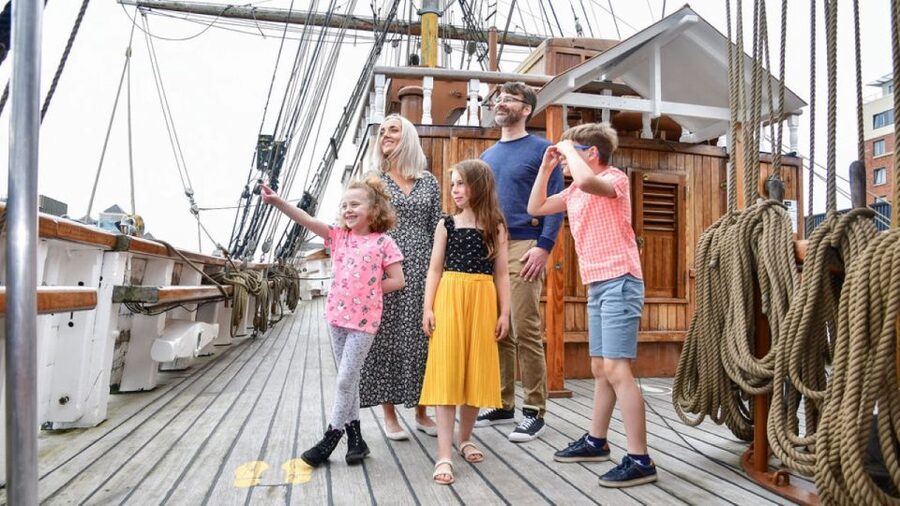
The tour centers on Ireland’s dark history and the mass migration caused by the famine years. You’ll hear that one million Irish people fled during those famine years, and that 2,500 of them took the grueling voyage on the Jeanie Johnston.
That number can feel abstract until the guide connects it to daily life aboard. You’ll hear how passengers paid for their crossing, what they ate, and how they passed the time while at sea. Those details matter because survival is not only food and illness. It’s also routines, boredom, fear, and hope.
One of the strongest approaches this tour uses is the mix of practical information and narrative. Guides tend to explain the ship’s operation and the voyage realities, but they also keep returning to the people behind the history. That’s why the experience often lands as emotional, not just educational.
You’ll also learn what awaited people at their destination. That part is important for context, because it reminds you that crossing the ocean wasn’t a finish line. It was the beginning of a new life shaped by separation, loss, and hard adaptation.
Ship History and the Replica Angle: Why This Tour Uses a Real Vessel
What makes this experience more than a typical museum visit is that you’re not just learning about the Jeanie Johnston on a screen. You’re standing on a working-style tall ship replica and hearing how the original ship was built and used.
You’ll learn about tall ships and the shipping trade in the 19th century, including how the maritime world connected Ireland to international routes. That context helps the famine story feel less like a sealed-off tragedy and more like something tied to larger forces, including transport, labor, and global movement.
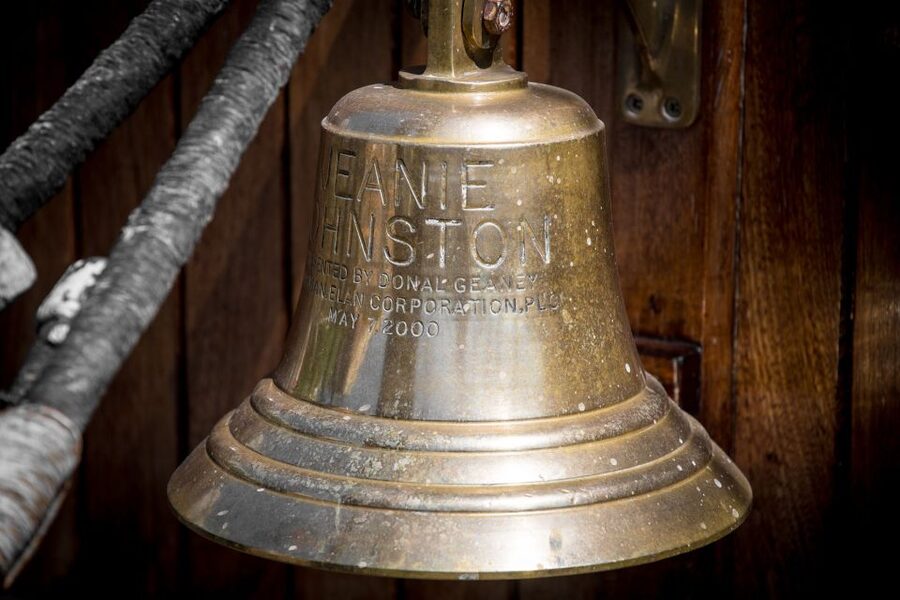
The replica portion also helps you calibrate what you’re seeing. Instead of pretending it’s the exact original ship, the tour explains the ship’s construction and why a replica matters. That approach builds credibility, because it tells you what the vessel represents and why it was recreated.
Another way the same day could go from Dublin:
- Dublin to Cliffs of Moher, including Wild Atlantic Way and Galway
★ 5.0 · 23,331 reviews - From Dublin: Cliffs of Moher, Burren & Galway City Day Tour
★ 4.8 · 18,888 reviews - Dublin: Guinness Storehouse Entry Ticket
★ 4.6 · 16,863 reviews - Dublin to Cliffs of Moher, Burren, Wild Atlantic Way, Galway Tour
★ 5.0 · 12,924 reviews
Expect the Storytelling Style, and How Guides Shape Your Experience
This tour is heavily guide-driven, and the quality of the guide makes a noticeable difference. Based on the guide names and styles tied to many tours, you may hear a lively mix of humor and seriousness, with clear explanations and lots of chances for questions.
Some guides mentioned include Josh, Steve, Claire, Steve again, Gearoid, Owen, Rolland, Ronan, and Eoin, plus others like Katrina and Catriona. Across these names, the repeated theme is clarity plus empathy, with guides turning facts into something you can picture.
Here’s a practical tip: if you’re the kind of person who likes details, ask questions during the tour. The guide format works well for that because you’re moving through meaningful spaces, so your questions connect to what you’re seeing at that moment.
How Long It Takes, and What Time of Day Makes Sense
Since the tour runs for about 50 minutes, it fits well between other Dublin stops. It’s long enough to feel like you got a complete story, but short enough that you can keep your day flexible.
Your best timing depends on what you want most. If you want that open-deck feeling with wind and dock views, pick a time when the weather is pleasant. If you’re more focused on the below-deck storytelling, you can schedule it any time the ship is running tours, since the cramped interior scenes are the core of the emotional impact.
Value for Money: Why This $16 Tour Can Beat a Longer Visit
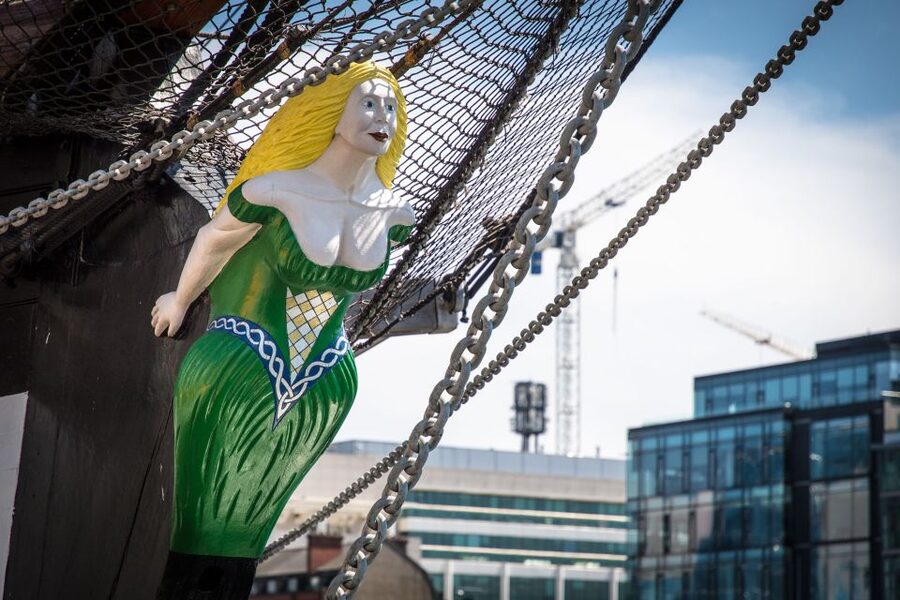
At $16 per person for a guided 50-minute visit, the value is strongest if you like firsthand context. You’re paying for access to a full ship experience: above-deck views and below-deck living conditions, explained by a live guide.
A big part of the value is that the tour covers the story in a tight format. You don’t need to spend hours reading or wandering. You get the main narrative, key facts, and the “what would it have felt like” details tied to the ship’s spaces.
In terms of experience type, it also tends to land as more personal than a typical exhibit, because the guide can point, explain, and connect details to your immediate surroundings. If you like history that you can see in three dimensions, this is a good use of money and time.
Who This Tour Suits Best (and Who Might Want Another Option)
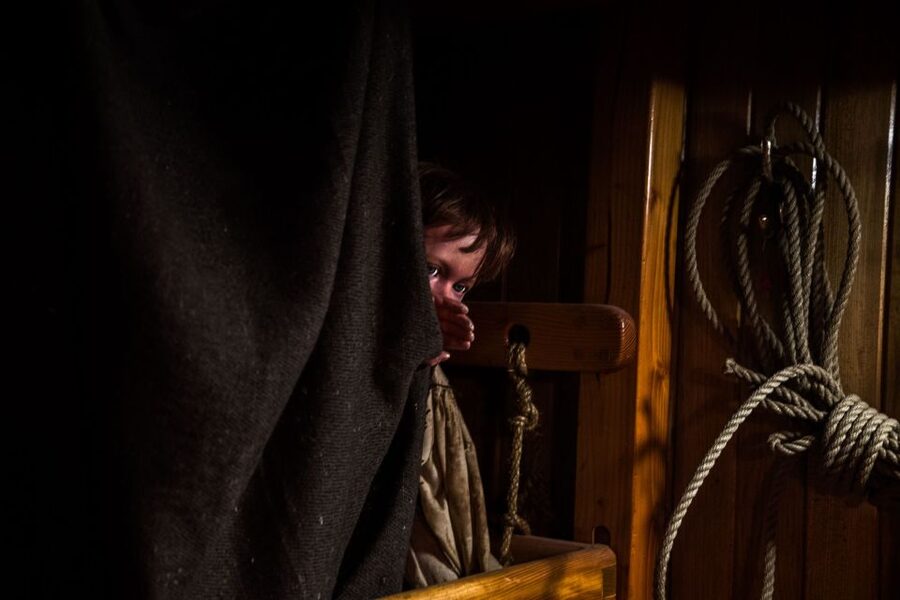
This tour is ideal if you want famine history in Dublin, but you don’t want a long, heavy museum day. It’s also a strong pick for anyone who likes maritime history, ship design, or the way emigration stories connect to ports and ocean travel.
It may be less ideal if you have mobility limitations. The tour is not recommended for limited mobility, and it isn’t suitable for wheelchair users, so plan accordingly. Also, consider whether you want a brief, intense historical subject during your trip. The story covers disease, starvation, and harsh conditions, even though the tour duration stays compact.
If you’re traveling with teens or older kids, it can work well because the guide storytelling style can keep the focus on people and choices. Younger kids might find the below-deck spaces a bit intense, but that varies by child.
Quick Practical Notes Before You Go
Here are the small things that help the tour go smoothly:
- Bring comfortable shoes for walking around the ship.
- Go with English as the tour language, since it runs with an English live guide.
- Expect a guided experience with entrance and access to the Jeanie Johnston guided tour included.
Because the tour is on a ship, you’re dealing with natural lighting changes between open deck and enclosed areas. It’s worth bringing your phone for photos above deck, but also plan to put the camera away during the story moments so you can follow the guide’s pace.
Should You Book the Jeanie Johnston Famine History Tour?
I think you should book this tour if you want a clear, guided famine emigration story that’s grounded in a real ship setting. The combination of upper deck history, Docklands perspectives, and the sharply described below-deck living conditions makes the Jeanie Johnston more memorable than history facts alone.
Skip it, or plan an alternative, if mobility is a concern. Also, if you prefer history without emotional weight, be aware that this tour focuses on the grim realities of the voyage and what people endured.
If you’re building a Dublin itinerary and want one experience that connects the city’s port story to the Irish famine era, this is one of the best ways to do it in under an hour.
Just in from the Liffey side


Historical Tours, compared.

Dublin Historical Centre Food Tour with 8 Food Tastings & Drinks
Read our review →

Historical 2-Hour Guided Walking Tour of Dublin
Read our review →
Dublin to Cork, Blarney Castle & Cóbh Heritage Centre by train
Read our review →

Deliciously Dublin: The Artisan Donut Walking & History Tour
Read our review →
Hidden Dublin: Haunted History Walking Tour v2.0 2026
Read our review →
Dublin Private Highlights & History of 1916 Easter Rising Tour
Read our review →Browse the lists this tour appears in