
Reviewed · HISTORICAL TOURS
Dublin: LGBT Pride Walking Tour with Queer History
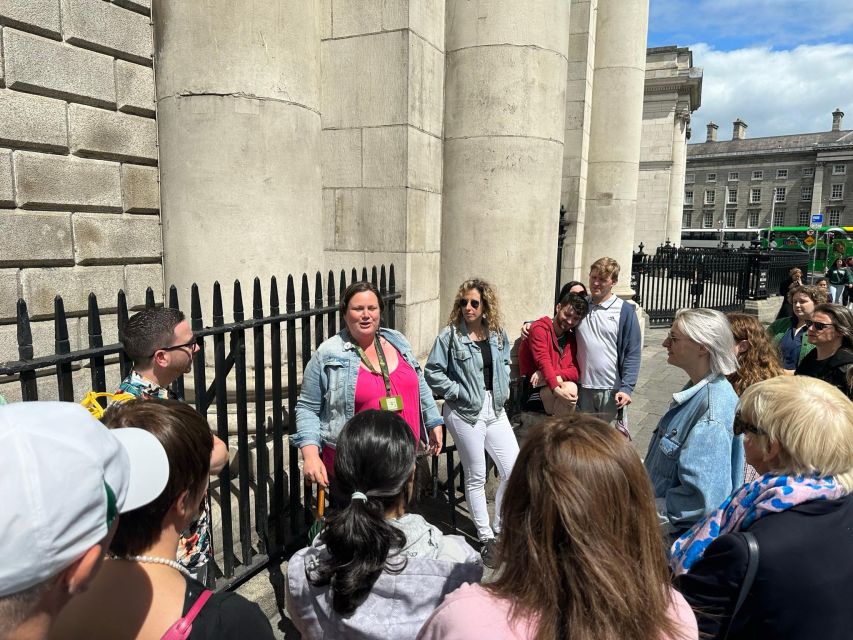
Dublin gets personal on a queer history walk. I love how this guided walking tour turns recognizable sites into real stories, from the General Post Office to Trinity College, with names like Dr Lydia Foy and Panti Bliss stitched into the walk. You come away with more than trivia, you get a sense of how activism moved Ireland from exclusion and abuse toward marriage equality.
I also like the tour’s tone, it’s clearly story driven and led in a way that keeps you engaged, even when the topics are tough. Helena is mentioned in guest feedback as witty, warm, and accommodating, and that style helps the two hours fly by. The main drawback to consider is simple: you cover a lot on foot in a short window, so you will want comfortable shoes and a bit of standing time.
In This Review
- Key highlights you will actually care about
- A Dublin Pride walk that connects places to people
- Where you start, how the two hours move, and what the route feels like
- Liberty Hall and the first pride protest
- The General Post Office and revolutionary queer figures like Panti Bliss
- Trinity College and the Sexual Liberation Movement
- Dr Lydia Foy, the Gender Recognition Act, and recognition that costs something
- Hirschfield Centre, Diceman’s Corner, and local icons you can find again
- The George, plus ongoing fights for equality
- Price and value: is 27 dollars worth it
- Who this tour suits best, and who might want a different option
- Practical tips before you go
- Should you book this Dublin LGBT Pride walking tour with queer history?
- FAQ
- Where does the Dublin LGBT Pride walking tour start?
- How long is the walking tour?
- How much does the tour cost?
- What language is the guide speaking?
- Is the tour wheelchair accessible?
- What should I bring?
- Does the tour end back at the meeting point?
- Is there free cancellation?
- Can I reserve without paying right away?
- Are there multiple start times?
Key highlights you will actually care about
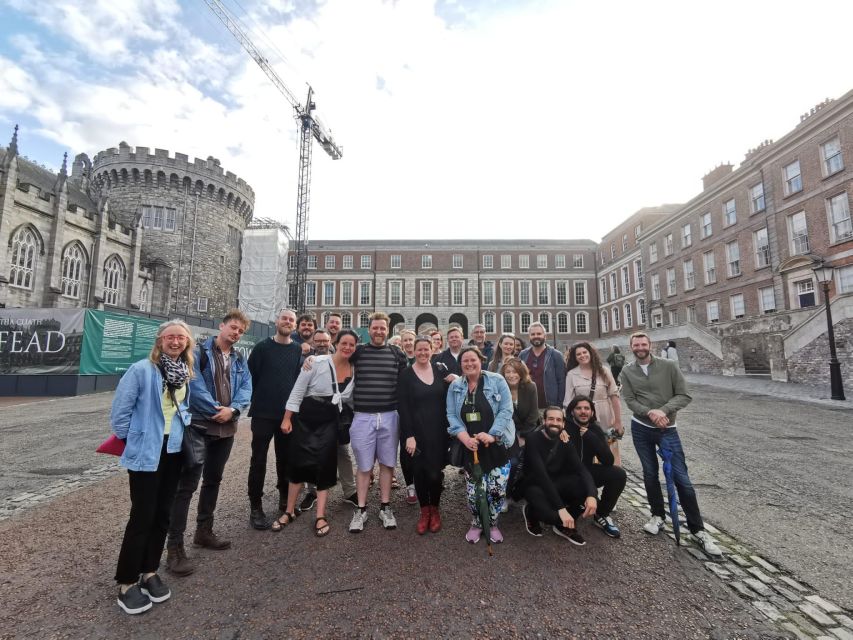
Old Storehouse meeting point with a green umbrella, easy to spot and start on time
Liberty Hall and the first pride protest, tied to a specific place in Dublin
Dr Lydia Foy and the Gender Recognition Act, where policy meets lived experience
Panti Bliss stories at the General Post Office, connecting queer identity to major national moments
Trinity College, the Hirschfield Centre, Diceman’s Corner, and the George, so you see multiple LGBTQ+ landmark stops
A live English guide who can answer questions while keeping the pace fun and thoughtful
A Dublin Pride walk that connects places to people
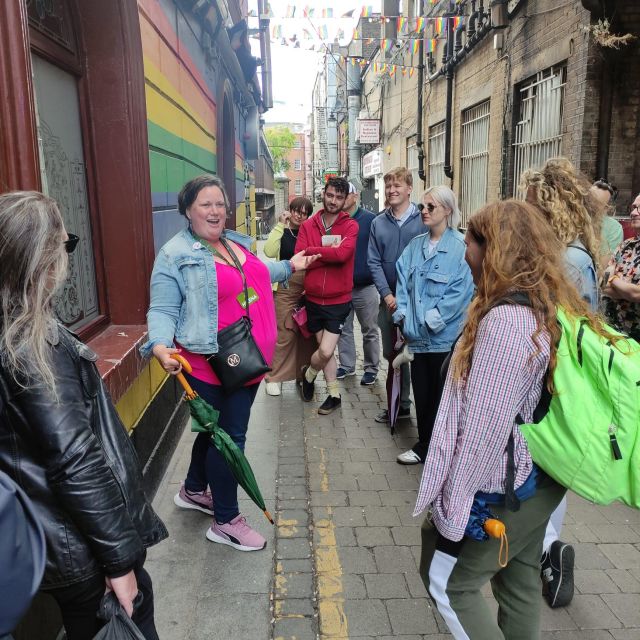
If you like your city history with a human pulse, this is the kind of tour that helps. You are walking through central Dublin while learning about Ireland’s LGBTQ+ figures and the turning points that shaped equality. The point is not just who was famous, it is how change happened, one protest, law, and lived experience at a time.
The tour is built around major landmarks, including Liberty Hall, the General Post Office, Trinity College, and the LGBTQ+ focal stops like the Hirschfield Centre, Diceman’s Corner, and the George. That matters because Dublin can look like postcard Dublin from the outside. On this walk, you start noticing layers you would miss if you toured alone.
I also like that it does not ignore the hard parts. The guide frames the shift from exclusion and abuse toward marriage equality, so the story feels honest rather than sanitized. You leave with context for why pride, recognition, and community safety are not abstract ideas here.
More of Dublin crossed at walking pace:
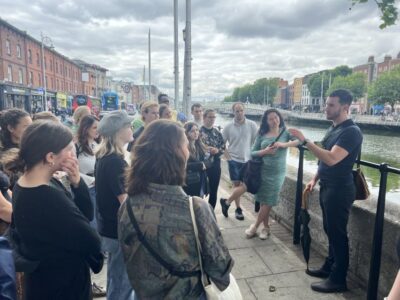
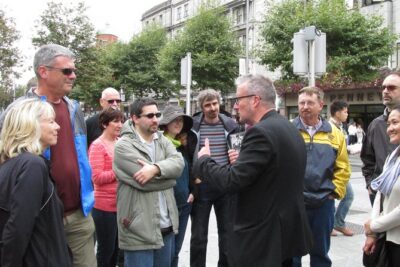
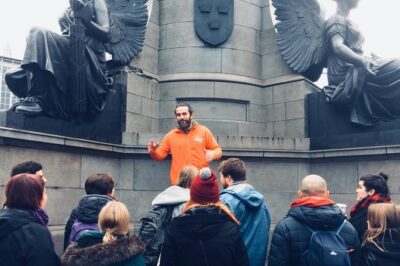
Where you start, how the two hours move, and what the route feels like
Your tour starts at the Old Storehouse Bar & Restaurant, and you should look for your guide carrying a green umbrella. It ends back at the same meeting point, so you are not stuck recalculating transit afterward.
The tour runs for two hours. That length is long enough to cover multiple stops, but short enough that you will keep a brisk pace. You should plan for walking, street crossings, and quick pauses to hear the story at each landmark.
It is a live, English speaking guide tour, and it is wheelchair accessible. If mobility is a factor for you, you will still want to bring comfortable shoes and be ready for uneven pavement, which is just Dublin life.
Liberty Hall and the first pride protest
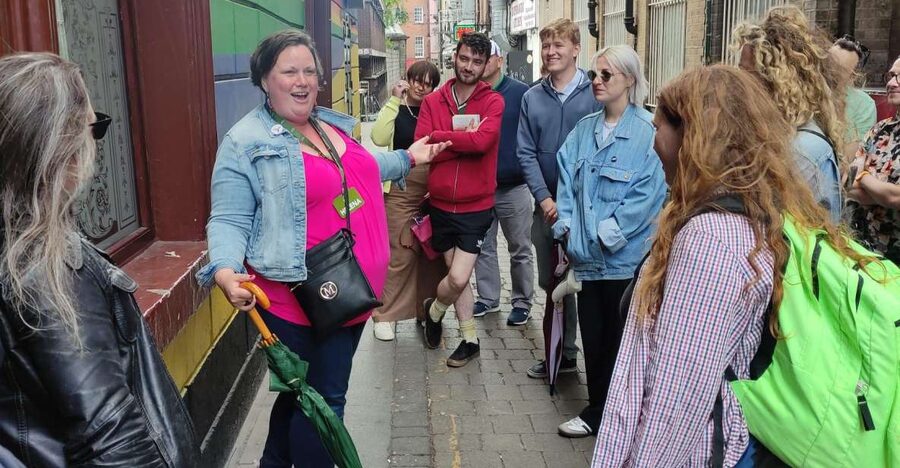
Liberty Hall is one of those places you think you know, even before a tour tells you what happened there. On this walk, it becomes a starting line for the story of LGBTQ+ visibility in Ireland, including the first pride protest at Liberty Hall.
This is the kind of stop that does two jobs at once. First, it gives you a concrete location, so the idea of pride is not floating in space. Second, it shows you how political visibility works. A protest becomes a public message, and public messages become pressure, and pressure becomes change.
If you like understanding how movements build momentum, you will enjoy this part. It is the bridge between personal identity and collective action, explained through a landmark you can stand near and picture.
The General Post Office and revolutionary queer figures like Panti Bliss
You will pass by the General Post Office and hear stories about revolutionary queer figures, including Panti Bliss. That combination is powerful because it links queer history to major national narrative moments, not just to nightlife or community events.
Panti Bliss is brought up as part of that revolutionary thread, which helps you see how performance, voice, and public presence can shape social attitudes. This is where the tour tends to feel most alive, because stories like this are about courage in public, not just identity in private.
One practical note: this is a walking tour, so the time at each stop is limited. If you want to linger, use the walk to get oriented, then follow up after the tour on your own where you feel most curious.
Trinity College and the Sexual Liberation Movement
Trinity College appears on your route, and the tour connects it to conversations around the Sexual Liberation Movement. This is one of the stops that makes the tour feel bigger than a single community story, because it places LGBTQ+ activism within wider shifts in social thinking.
You will get a sense of how ideas spread and how the culture around sexuality and gender can change, even when society resists. The guide’s job here is to translate broader movements into what you can see and understand on the street.
If you are the type who likes a bit of intellectual history, this section will feel satisfying. It gives you names of ideas and then shows how they connect back to the lived experiences of LGBTQ+ people across time.
More of the rising and the years after:
- Dublin Historical Centre Food Tour with 8 Food Tastings & Drinks
★ 5.0 · 1,718 reviews - 2-Hour Historical Walking Tour from Dublin
★ 5.0 · 875 reviews - Historical 2-Hour Guided Walking Tour of Dublin
★ 4.7 · 865 reviews - Dublin to Cork, Blarney Castle & Cóbh Heritage Centre by train
★ 4.5 · 510 reviews
Dr Lydia Foy, the Gender Recognition Act, and recognition that costs something
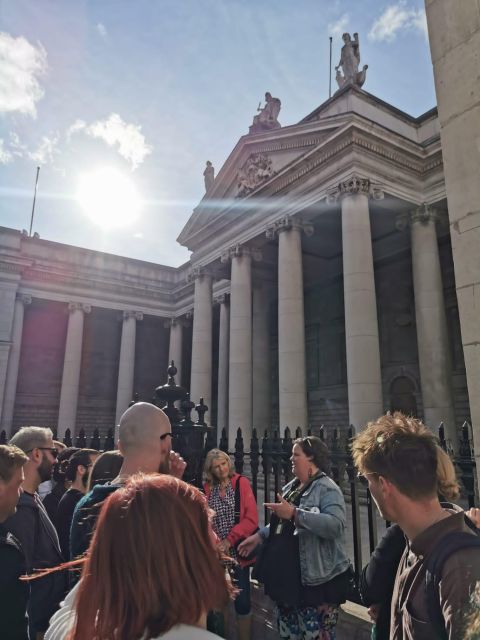
Dr Lydia Foy is a key figure on this tour, and you will hear stories that tie her to the Gender Recognition Act. This is where the walk moves from protest and visibility into the world of law, recognition, and everyday dignity.
That topic matters because equality is not only about big moments. It is also about paperwork, rights, and the practical ability to live your life with less fear. When the guide connects Dr Lydia Foy to the Gender Recognition Act, you start seeing how recognition is built, not granted.
This section is likely to be one of the most emotionally resonant parts of the tour for many people. It can also be one of the most questions friendly, so if you care about how policy affects real lives, have your curiosity ready.
Hirschfield Centre, Diceman’s Corner, and local icons you can find again
As you walk, you will pass by the Hirschfield Centre and Diceman’s Corner. These are the kinds of stops that help you place the story in everyday Dublin, not only in famous national sites.
The Hirschfield Centre is included as part of the queer story your guide is telling, which makes it feel like a community anchor rather than a random building. Diceman’s Corner, meanwhile, adds a recognizable Dublin texture, so the tour feels tied to real street life.
The value here is practical. After the walk, you will be able to point to places on a map and remember what they mean. That is a big deal in Dublin, where landmarks are close enough that you can easily build a self guided follow up if something sparks your interest.
The George, plus ongoing fights for equality
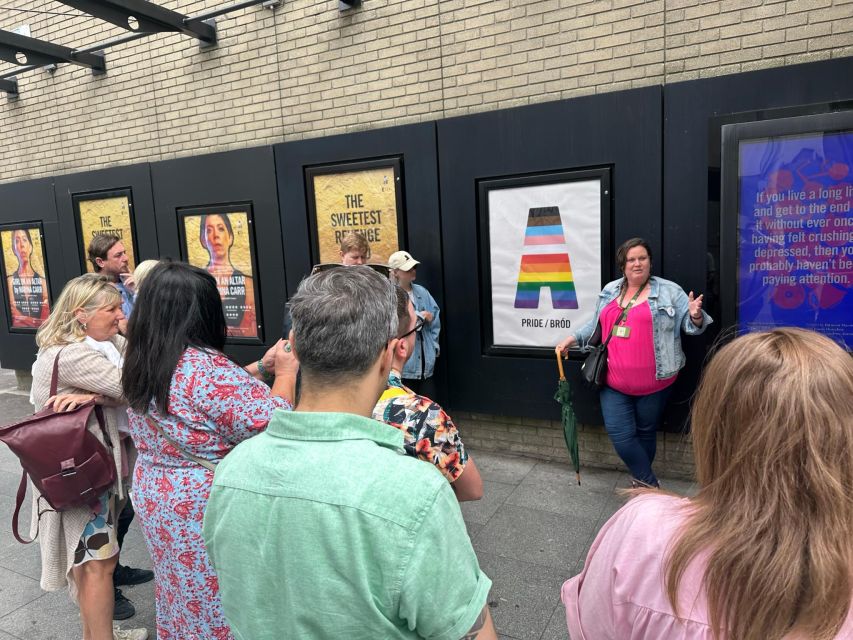
You will pass by the George, described as Ireland’s most iconic LGBTQ venue. That inclusion is important because the tour is not only looking backward. It also threads present day challenges and the community’s fight for equality and recognition.
This is the part of the walk where you start seeing the full arc. Pride is not just an event, it is a statement of rights and visibility. Equality is not a finished product, it is something people defend and expand.
If you are hoping to understand what pride means now, not just what it meant historically, this stop helps you connect the dots. The tour’s storytelling approach, with uplifting elements mixed into important realities, is a big part of why it lands well for many people.
Price and value: is 27 dollars worth it
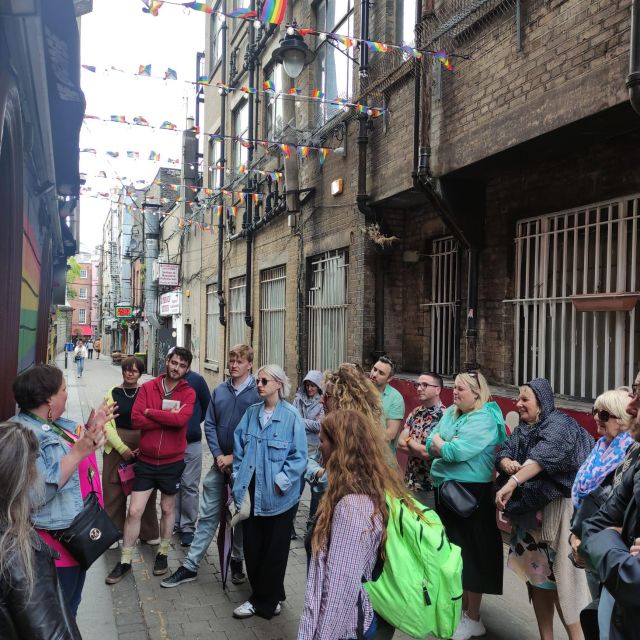
At 27 dollars per person for a two hour walking tour with a live guide, you are paying for time, context, and interpretation. You are not paying for an entry ticket to a museum. You are paying for someone to connect names like Dr Lydia Foy and Panti Bliss with specific places like Liberty Hall, the General Post Office, Trinity College, and LGBTQ+ hubs.
The value is strongest if you learn best through guided narrative. If you love absorbing history through storytelling and you want a theme focused walk rather than a random city stroll, this price makes sense.
If you already know a lot of queer Irish history and you prefer to read on your own, you might feel the cost differently. But for most first time visitors, or anyone who wants a smarter route through Dublin with deeper meaning, this tour is a fair deal.
Who this tour suits best, and who might want a different option
This tour suits you if you want queer history in Dublin with a clear route and a guide who can explain how activism changed Ireland over time. It also fits well if you are traveling with a teen or a friend who is curious but might not want a traditional lecture format. The guide’s humor and engaging delivery are part of what makes the pace feel easier.
It may be less ideal if you cannot handle walking between multiple stops for two hours, since the tour covers a range of central locations on foot. It may also feel emotionally heavy for some people because the story includes exclusion and abuse, even while it highlights progress toward marriage equality.
One sweet detail from guest feedback is that Helena has been praised for being down to earth and personable, with personal anecdotes that added warmth. You might not expect that every tour includes extra kindness beyond the standard guide role, but it is a good sign that this is not a robotic script.
Practical tips before you go
Start with basics. Bring comfortable shoes, because this is a walking tour across streets and sidewalks. If you want to get the most from it, arrive a little early so you can settle before the group starts.
Come with at least one thing you want to understand, such as how the Gender Recognition Act fits into the broader struggle for equality, or why the first pride protest at Liberty Hall matters. Questions are a natural part of this kind of tour, and the guide is described as able to answer queries, which can make the time feel even more worthwhile.
Keep your expectations in line with the pace. Two hours is enough to build a strong overview and give you places to revisit later, but it is not enough to linger for long at each stop. Use it to get oriented, then go deeper where you felt the strongest pull.
Should you book this Dublin LGBT Pride walking tour with queer history?
Yes, if you want a guided way to understand Dublin’s LGBTQ+ story through real landmarks and real names, this is a strong choice. It is focused on the kind of context that helps you make sense of what you see on the street, not just what you read afterward. You also get a live English guide and a route that covers Liberty Hall, the General Post Office, Trinity College, and major LGBTQ+ stops like the Hirschfield Centre, Diceman’s Corner, and the George.
I would skip it only if you hate walking city blocks for two hours or you want a strictly light, entertainment first agenda. This tour includes hard realities, and it expects you to be open to them, even though the tone aims to be engaging and uplifting.
If your goal is to see Dublin with new eyes, this is the kind of tour that makes the city feel personal, not generic.
FAQ
Where does the Dublin LGBT Pride walking tour start?
The tour starts outside the Old Storehouse Bar & Restaurant. Look for a guide carrying a green umbrella.
How long is the walking tour?
The tour duration is two hours.
How much does the tour cost?
The price is 27 dollars per person.
What language is the guide speaking?
The live tour guide speaks English.
Is the tour wheelchair accessible?
Yes, the walking tour is wheelchair accessible.
What should I bring?
Wear comfortable shoes, since it is a walking tour.
Does the tour end back at the meeting point?
Yes, the activity ends back at the meeting point.
Is there free cancellation?
Yes. You can cancel up to 24 hours in advance for a full refund.
Can I reserve without paying right away?
Yes. The option is Reserve now and pay later, where you can book your spot and pay nothing today.
Are there multiple start times?
Starting times can vary, so you should check availability to see what times are offered.
Just in from the Liffey side





Historical Tours, compared.

Dublin Historical Centre Food Tour with 8 Food Tastings & Drinks
Read our review →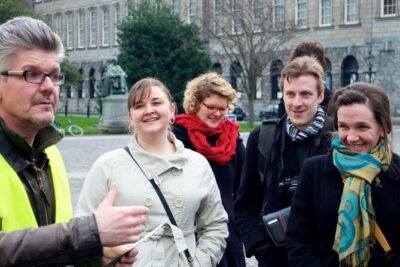
Historical 2-Hour Guided Walking Tour of Dublin
Read our review →
Dublin to Cork, Blarney Castle & Cóbh Heritage Centre by train
Read our review →
Jeanie Johnston Tall Ship Irish Famine History Tour
Read our review →

Deliciously Dublin: The Artisan Donut Walking & History Tour
Read our review →
Hidden Dublin: Haunted History Walking Tour v2.0 2026
Read our review →Browse the lists this tour appears in