
Reviewed · CRUISES & BOAT TOURS
Digby Lock Cruise – Explore Ireland’s Historic Grand Canal.
Locks and aqueducts, in one calm cruise. I like how this Grand Canal ride from Sallins stays small-group sized, so you get time for questions and photos while the skipper narrates the sights. You’re not just passing landmarks, you’re learning what they meant to the people who built and worked them.
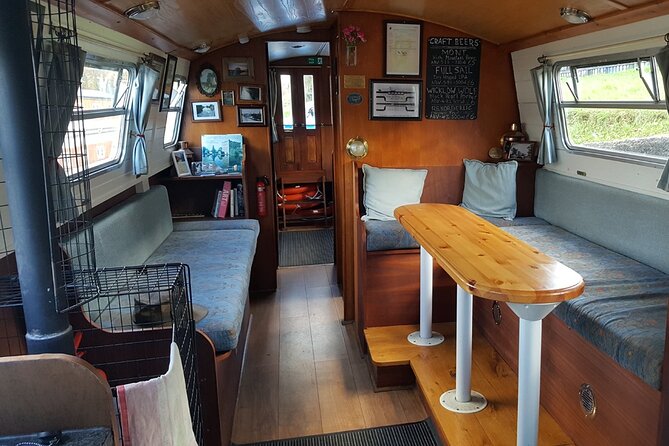
I also love that you can relax on board with an on-board bar (drinks cost extra), then focus on the canal details without a rushed pace. One consideration: getting on and around the boat involves steps, including a step from the harbour wall to the back deck, plus three steps down into the main cabin.
In This Review
- Key highlights worth planning for
- How the 2.5-hour Digby Lock Cruise actually feels
- Meeting point at Canal View, Osberstown, Sallins
- Leinster Aquaduct: a quick 1783 stop with real context
- From aqueduct to Digby Lock and Digby Bridge
- Digby Lock: seeing 240-year-old canal work in motion
- On-board bar and snack-friendly comfort
- Small group, service animals, and the step-down reality
- Your skipper: what makes the commentary worth it
- Price and value for a canal cruise from Dublin
- A quick note on last-minute changes
- Who this cruise is best for
- Should you book the Digby Lock Cruise?
- FAQ
- Where does the Digby Lock Cruise start?
- What time does the cruise depart?
- How long is the cruise?
- How many people are on the boat?
- Is there an on-board bar?
- Are snacks allowed?
- Is the tour offered in English?
- Are service animals allowed?
- Is there an accessibility detail I should know?
- What is the cancellation rule?
Key highlights worth planning for
- Max 12 people on board keeps the vibe calm and makes commentary easier to hear
- Leinster Aquaduct stop includes a short talk at an 1783 engineering landmark
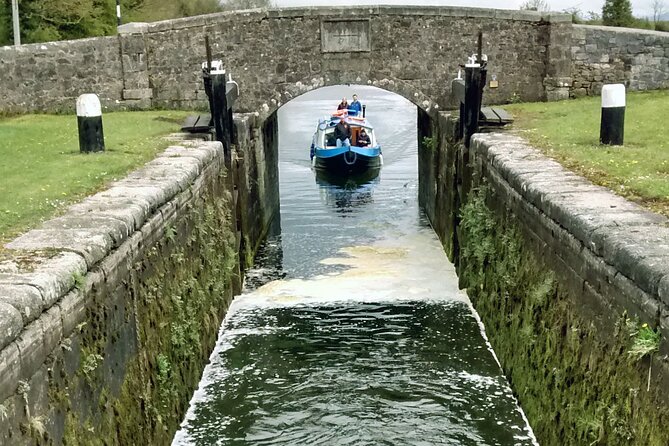
- 240-year-old Digby Lock is the main draw, with stories about navvies, horses, and work life
- On-board bar is there for a cold drink, but budget about 3 to 4 EUR for refreshments
- Service animals welcome, and you can bring your own snacks
How the 2.5-hour Digby Lock Cruise actually feels
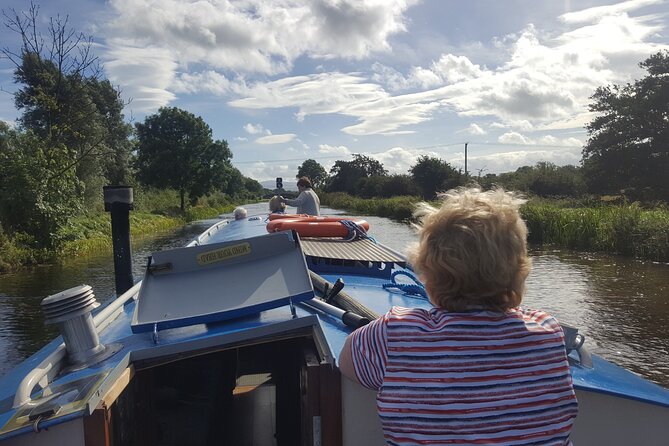
This cruise is about 2.5 hours long, with a start time of 10:00 am and an easygoing pace. The format is simple: you ride, you pause briefly for an aqueduct stop, and then you spend the rest of the time taking in the canal views while the skipper guides you through what you’re seeing.
The small group size matters more than you might think. With no more than 12 people aboard, the cruise doesn’t feel like a cattle line. It feels like a slow, guided boat ride where you can ask questions and still have room to move for pictures.
It’s also a good duration for a day that needs structure without feeling scheduled to death. You’ll be on the water long enough to settle in, but not so long that it crowds your whole travel day.
More of the rising and the years after:




Meeting point at Canal View, Osberstown, Sallins
You’ll meet at Bargetrip.ie Canal View in Osberstown, Sallins, County Kildare. The good news is that the meeting spot is near public transportation, which helps if you’re planning your day around buses or trains rather than renting a car.
Plan to arrive a few minutes early. Not because the cruise is hard to get to, but because canal towns and meeting points can be easy to miss if you’re focused on navigation apps instead of signage.
Then comes the practical part for comfort and access: there’s a step from the harbour wall onto the back deck, and three steps down into the main cabin. If stairs are tough for you, it’s worth thinking ahead so you can choose where you’ll want to sit.
Leinster Aquaduct: a quick 1783 stop with real context
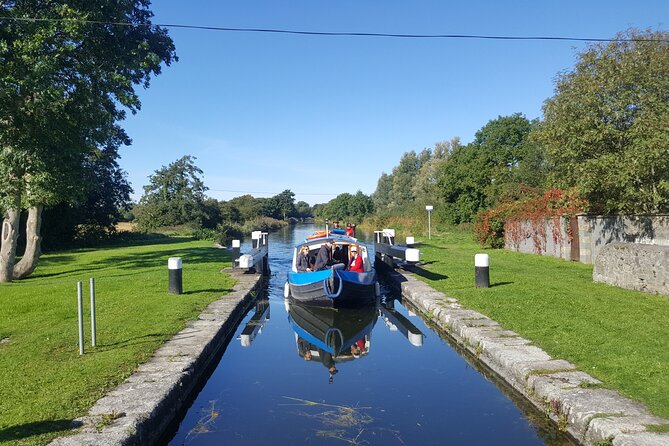
The first major stop is at Leinster Aquaduct. This structure was built in 1783 and carries the Grand Canal over the river Liffey, west of Sallins. Even though the stop is short, the skipper uses it as a focused moment to explain what you’re looking at.
You’re given about 15 minutes here, and the admission for that stop is ticket free. That makes it a nice value add because you get to see one of the canal’s headline engineering feats without your time or money being blown on extra entry fees.
What I like about this stop is the way it sets you up for the rest of the cruise. Once you understand how canal infrastructure solved real transport problems, the later lock and bridge sections start to make more sense.
Practical tip: treat this as your main photo window. Bring your camera strap, wipe your lens if the air is misty, and be ready to shoot as soon as you’re positioned. The group is small, but you still don’t want to be the person fumbling with a jammed bag zipper while everyone else is lining up.
From aqueduct to Digby Lock and Digby Bridge
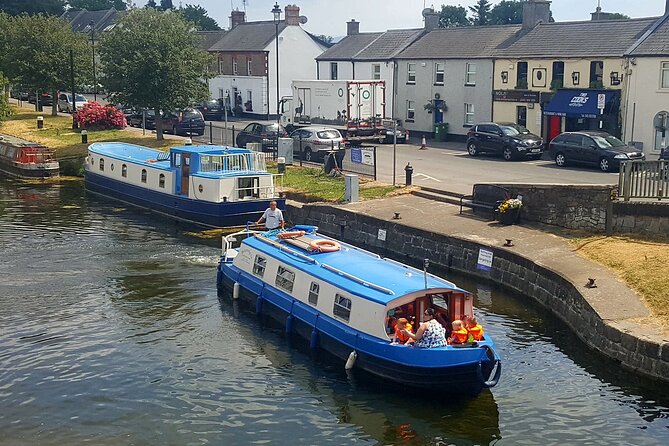
After the aqueduct stop, the cruise shifts into the stories and the working-canals view. This is where you start seeing the Grand Canal as a working system, not just a scenic waterway.
One of the highlights is getting to admire the workings of Digby Lock, plus seeing Digby Bridge along the route. The skipper also connects it all to the people who built and maintained the canal: the navvies who did hard physical work, and the heavy horses that ruled the towpaths.
That matters because the canal isn’t only architecture. It’s labor, logistics, and daily survival. When the skipper explains the hard lives of the workers and how horses fit into movement along the canal, you’ll probably find yourself looking at the waterline differently.
There’s also a Leonardo da Vinci connection included in the way the skipper explains the lock and canal ideas. The exact details of the connection may not be long or technical, but it’s a fun thread to catch as you float. It’s the kind of fact that makes the cruise stick in your head long after you’ve left the boat.
Digby Lock: seeing 240-year-old canal work in motion
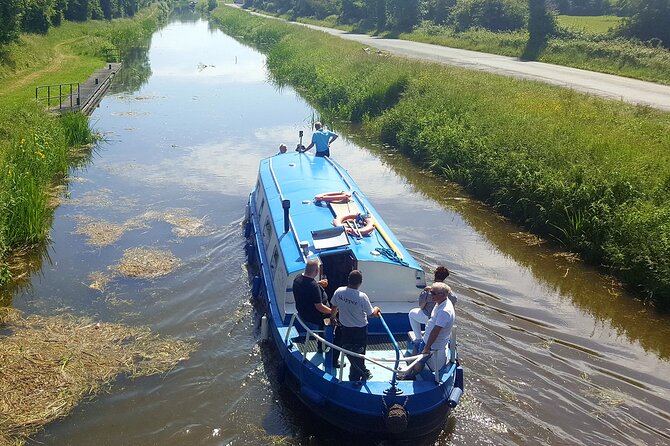
The centerpiece of the cruise is the 240-year-old Digby Lock. You’ll spend time admiring its workings while the skipper fills in what it took to build and operate a canal system like this.
You don’t need to be an engineering nerd to enjoy it. You just need a willingness to slow down and watch. Locks are all about changing water levels and making passage possible, and in that context, you can immediately see why this would have been crucial for boats and for trade.
I also like how the skipper frames the lock as part of the whole human effort: navvies with tough jobs, horses moving along towpaths, and the canal as the backbone of transport. Instead of feeling like you’re watching a museum object, it feels like you’re learning how a real system worked.
If you’re the kind of traveler who enjoys meaning more than just photos, this is the part that delivers. You leave knowing why the lock mattered, not only what it looks like.
More hulls leaving the Liffey and the bay:
- Dublin: River Liffey Sightseeing Cruise
★ 4.4 · 3,473 reviews - Dublin Sightseeing Cruise on River Liffey with Local Guide
★ 4.5 · 927 reviews - Dublin: Howth Coastal Boat Tour
★ 4.7 · 644 reviews - Dublin: Howth Cliffs and Lighthouse Cruise
★ 4.4 · 441 reviews
On-board bar and snack-friendly comfort
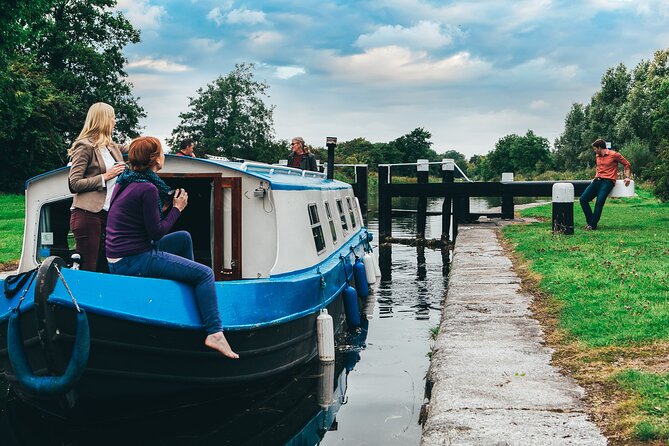
Yes, there’s an on-board bar. No, the ride is not built around turning your cruise into a pub crawl. It’s there if you want a drink while you take in the canal.
Refreshments from the bar cost about 3 to 4 EUR, and they’re not included in the price. That’s helpful for budgeting. If you want coffee, tea, or a beer, bring a little cash or be ready to pay the onboard rate.
Here’s the practical advantage: you can also bring your favorite snacks. That’s ideal for travelers who get hungry during slower paced activities. It keeps you from paying extra for small food items you could have packed.
And because the group is limited to 12 people, snack time doesn’t feel chaotic. You can keep it simple, eat when you want, and still follow the skipper’s timing.
Small group, service animals, and the step-down reality
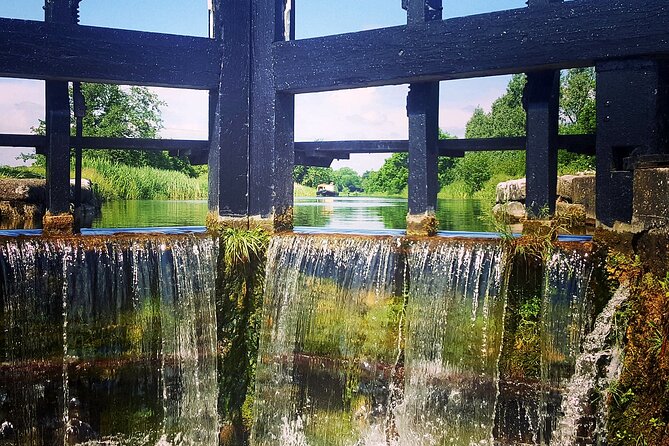
The cruise is capped at 12 travelers, which is one of the reasons it gets such high satisfaction. A smaller boat means a quieter atmosphere, and it also means the skipper can tailor commentary to what people are asking.
Accessibility is mostly straightforward, but the steps are real. There’s a step from the harbour wall onto the back deck, and three steps down into the main cabin. If you’re traveling with mobility aids, it’s worth thinking about how you’ll manage that transition and whether you might prefer a spot closer to where you can get comfortable quickly.
Service animals are allowed. That’s a meaningful plus for people who travel with an assistance animal and don’t want to gamble on whether a boat environment will accommodate them.
Your skipper: what makes the commentary worth it
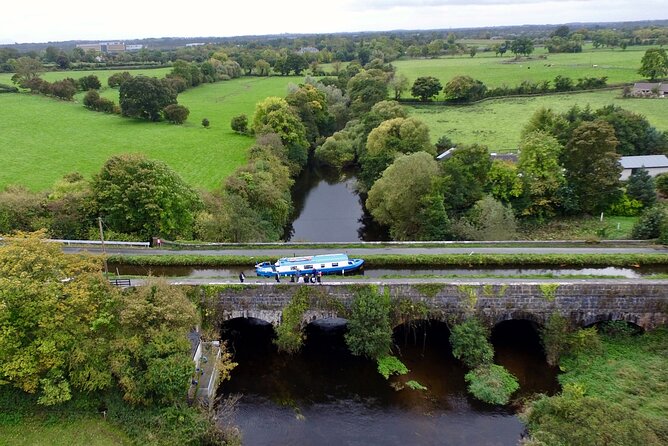
The skipper is a big part of what turns this into more than a basic canal cruise. The tone is friendly, and the guide stays engaged with questions.
In at least one standout experience, the skipper was Chris, and the rapport sounded exactly like what you hope for on a small boat: clear explanations, a relaxed mood, and answers to questions as they came up.
You should also expect a short history presentation during the aqueduct stop. That’s built into the timing, and it helps you connect the visual details to real dates and real jobs.
My advice: come with one or two questions in mind. For example, ask how locks and aqueducts changed transport, or what the horses were doing along the towpaths. With a small group, those questions are more likely to lead to useful answers instead of getting cut short.
Price and value for a canal cruise from Dublin
At $48.27 per person, this cruise lands in the category of “affordable guided attraction,” especially because all fees and taxes are included. You’re not paying extra on top of the base price for the main experience.
What you do pay extra for is simple: bar refreshments. With bar items typically running about 3 to 4 EUR, you can keep spending under control by deciding up front whether you want a drink or want to stick to snacks you bring yourself.
Another value angle is time. You get roughly 2.5 hours on the water, which is a practical chunk if you’re based around Dublin and want something calmer than a full day outing. You also get multiple named canal landmarks in one go: Leinster Aqueduct, Digby Bridge, and Digby Lock.
Booking patterns also tell you something about demand. This one is commonly booked around 36 days in advance on average. If you’re traveling in peak season or on a specific day, don’t wait too long.
A quick note on last-minute changes
One person described a situation where the cruise was canceled the night before, and the communication felt confusing. Their day still turned out beautiful, because they pivoted by renting bikes at a shop near the canal.
I can’t promise how things will go on your date, but it’s smart to plan with a mild backup idea. If the schedule changes, a nearby bike rental can be a ready solution, and the canal area is naturally set up for exploring on two wheels.
Who this cruise is best for
This is a strong match if you want a guided canal experience without rushing. It’s also good for people who like history but don’t want a lecture. The content is practical and tied to what you’re seeing in real time.
It also suits couples, solo travelers, and anyone who wants a calm break from city noise. The combination of small group size, short stops, and on-water time makes it feel easy even if you’re not into boats.
If you’re traveling with kids, it can work because the ride is short enough to stay interesting, and the landmarks give visual payoff. Just keep in mind the steps onboard.
If you’re focused on wheelchair accessibility, you’ll want to consider the step-down into the main cabin. Since the exact accommodations aren’t detailed beyond the stairs, I’d treat this as a “prepare and confirm” situation before you commit.
Should you book the Digby Lock Cruise?
Book it if you want an affordable, small-group canal ride with a real chance to learn what you’re looking at. The big reasons are the max 12 group size, the clear focus on Leinster Aqueduct and 240-year-old Digby Lock, and the skipper-led storytelling that keeps the experience from feeling generic. The on-board bar is a nice optional touch, and the ability to bring snacks makes it easy to stay comfortable.
Skip or reconsider if stairs are a deal breaker for you, because getting on board includes a step from the harbour wall and three steps down into the cabin. Also keep in mind that like any scheduled experience, timing can be disrupted, so having a simple plan B idea for the canal area can reduce stress.
If you want a peaceful, historic-feeling day trip structure near Dublin, this is one of the smoother choices.
FAQ
Where does the Digby Lock Cruise start?
The cruise meets at Bargetrip.ie Canal View, Osberstown, Sallins, Co. Kildare, Ireland. It ends back at the same meeting point.
What time does the cruise depart?
The start time is 10:00 am.
How long is the cruise?
It runs about 2 hours 30 minutes.
How many people are on the boat?
The cruise has a maximum of 12 people onboard.
Is there an on-board bar?
Yes. There is an on-board bar, but refreshments are not included and cost about 3 to 4 EUR.
Are snacks allowed?
Yes, you can bring your favorite snacks.
Is the tour offered in English?
Yes, it’s offered in English.
Are service animals allowed?
Yes, service animals are welcome.
Is there an accessibility detail I should know?
There is a step from the harbour wall onto the back deck, and three steps down into the main cabin.
What is the cancellation rule?
You can cancel for a full refund up to 24 hours before the experience starts. If you cancel less than 24 hours before, the amount paid is not refunded.
Just in from the Liffey side





Cruises & Boat Tours, compared.
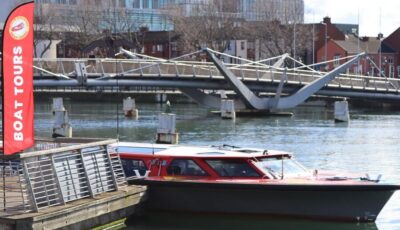
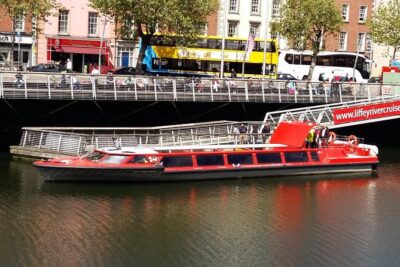
Dublin Sightseeing Cruise on River Liffey with Local Guide
Read our review →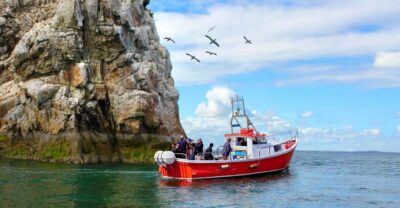
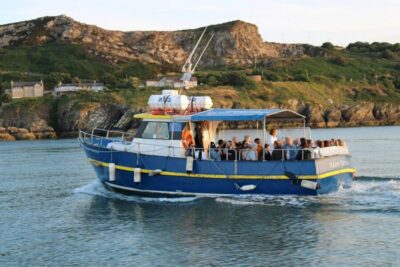
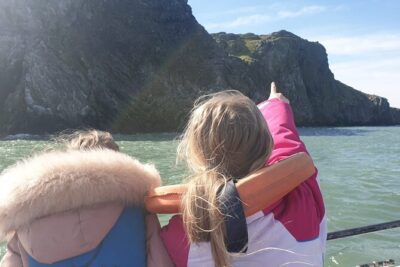
Howth Cliffs and Ireland’s Eye Ferry Boat Tour
Read our review →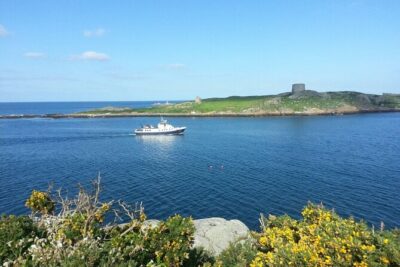

Howth Coastal Boat Tour (Ireland’s Eye Ferries 50 mins trip)
Read our review →Browse the lists this tour appears in