Reviewed · TOURS
The Dublin True Crime Tour
Crime stories, played out on Dublin sidewalks. This 2-hour walking tour strings together famous sites and unsettling cases, from old heists to memorials you can actually stand in front of. I like how the pace favors key landmarks instead of long detours, so you spend your time where the stories happened.
My other favorite thing is the small group limit (up to 19), which makes it easier to ask questions and stay engaged with the guide’s story flow. One consideration: the themes are dark, but the stops are short, so if you want lots of one specific era, you may feel the timeline jumps more than you expected.
In This Review
- Key things that make this tour worth your time
- Route overview from Temple Bar to St Audoen’s
- Starting at 4:00 pm: what you’ll feel in the first 20 minutes
- Bank of Ireland: the biggest heist and a kidnapping story
- Trinity College Dublin: old murders and how punishment followed
- Molly Malone Statue: graverobbers and courtesans in one Dublin scene
- Dublin Castle: crown jewels, heists, and the cost of getting caught
- Dubh Linn Gardens: Veronica Guerin’s memorial and a curator tale
- Christ Church Cathedral: St Lawrence and the strange ride after death
- Storytelling style and group size: how you’ll experience it
- Price and value: $16.90 for a focused walking route
- Who this tour suits best (and who should think twice)
- Should you book the Dublin True Crime Tour?
- FAQ
- How long is the Dublin True Crime Tour?
- How much does the tour cost?
- Where do I meet the guide and where does the tour end?
- What time does the tour start?
- Is the tour offered in English?
- How large is the group?
- Do I need to worry about weather?
- What is the cancellation policy?
Key things that make this tour worth your time
- Up to 19 people, so the tour does not feel like a cattle-call
- Six major Dublin landmarks tied to heists, executions, and aftermath
- English mobile-ticket experience with a 4:00 pm start time
- Stop timings that keep you moving, built for maximizing a short visit
- Memorial-focused moments that go beyond old crime tales
Route overview from Temple Bar to St Audoen’s
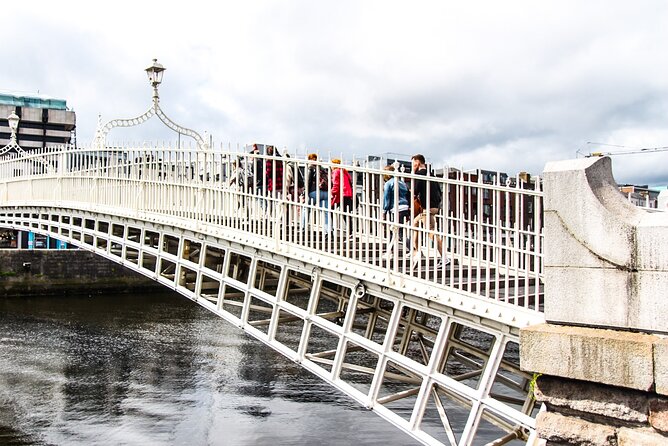
This is a classic “see the city by walking it” format, with a true crime theme threaded through the route. You start at 1 College Green, Temple Bar and finish at St Audoen’s Catholic Church on High Street near Merchants Quay. The whole thing runs about 2 hours, so it fits nicely into an evening plan without eating a full day.
The route is built for city-center landmarks, which means you’re usually near public transit and not relying on long transfers. It also helps that the tour is offered in English, so you are not stuck decoding accents or switching audio guides mid-story. If you enjoy walking but still want structure, this format is a good match.
One small practical note: because the focus is stories at particular spots, you will want to show up a few minutes early. That extra time helps you settle, find the group, and get into the rhythm before the guide starts.
Comparing before you commit? A few more that leave Dublin:

Starting at 4:00 pm: what you’ll feel in the first 20 minutes
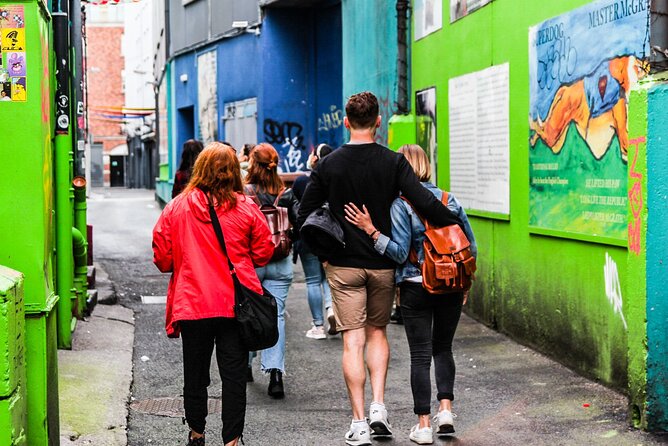
The start time is 4:00 pm, which can be a smart choice in Dublin. You often get enough daylight for landmark photos, but you are also close to that early-evening atmosphere where the streets feel more atmospheric without being pitch-dark.
Because the tour is structured around set stops, you will feel the momentum right away. The guide ties each location to a specific story beat, then moves on. It is not just “here is a building,” it is “here is what happened and why it mattered,” said in a way that keeps you listening.
If you are sensitive to intense topics, keep expectations realistic. The tour covers crimes of the past, including murders, punishment, and gruesome postmortem elements tied to sites you can see in person. It is not graphic splatter fiction, but it is still built for people who want true crime.
Bank of Ireland: the biggest heist and a kidnapping story
Your first stop is the Bank of Ireland, and the tone gets set immediately. The story centers on Ireland’s biggest heist, plus a linked tale that involves a tiger kidnapping. Even if you do not know the names or details yet, you will likely recognize the setting fast because this is one of those Dublin institutions you pass or photograph.
Why this stop works: a bank is more than architecture here. It is where you can picture motive, access, and escape routes, which makes the story feel grounded. You also get a quick orientation to the route because the guide can point out nearby landmarks as part of the narrative.
Drawback to consider: this stop is listed at about 5 minutes. So if you love details, you might catch only the core story arc at this first location, then get more context as the tour continues.
Trinity College Dublin: old murders and how punishment followed
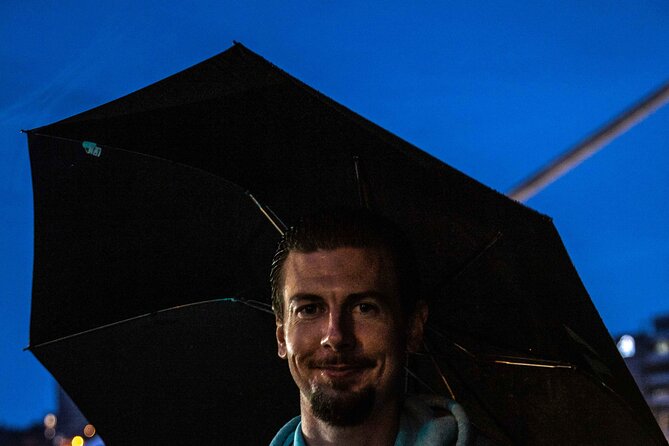
Next up is Trinity College Dublin, another site with instant recognition. The theme is old murders tied to the college, plus what happened to the people responsible and how punishment played out.
This stop is valuable because it places crime history into a place that still looks academic and orderly. That contrast is often what makes these tours click. You can stand where serious events once unfolded, then hear how the justice system of the time responded.
Again, timing matters. This is another short stop around 5 minutes, so think of it as a narrative “chapter” rather than a deep research session. If you want to go deeper afterward, you can use what you hear as a shortlist of topics to look up on your own.
Molly Malone Statue: graverobbers and courtesans in one Dublin scene
At the Molly Malone Statue, the tour slows slightly at about 15 minutes, which is a big deal on a walking route. Here the story blends two 18th-century Dublin angles: graverobbers and courtesans. That mix might sound surprising at first, but it fits the way Dublin’s city myths and social history overlap.
Why this stop deserves extra time: you get a chance to talk through how rumor spreads, how people got labeled, and how certain “underworld” activities fed the public imagination. A statue is also an easy landmark for you to remember, which makes it a natural moment to connect the dots between earlier and later stories.
Possible consideration: if you prefer strictly murder-case plotting and want fewer social-history threads, this part may feel broader than you expected. It still fits the true crime angle, but it leans into what the city talked about.
Another way the same day could go from Dublin:
- Dublin: Giants Causeway, Dark Hedges, Dunluce & Belfast Tour
★ 4.8 · 8,843 reviews - Dublin to Belfast Black Cab, Dunluce Castle and Giant’s Causeway
★ 5.0 · 7,954 reviews - Kilkenny, Wicklow Mountains & Glendalough Day Tour from Dublin
★ 5.0 · 7,897 reviews - From Dublin: Wicklow Mountains, Glendalough & Kilkenny Tour
★ 4.8 · 6,235 reviews
Dublin Castle: crown jewels, heists, and the cost of getting caught
The next stop is Dublin Castle, tied to the Irish Crown Jewels heist and the types of punishment associated with such crimes. This is one of the easiest places to feel the stakes, because castle grounds and official power tend to make consequences feel very real.
This stop works especially well if you like a “motive, method, aftermath” style of storytelling. A royal or official setting gives the guide room to explain why those crimes were treated differently, compared with ordinary theft. You also get a sense of how authority and punishment were meant to discourage copycats.
Time-wise, it’s about 10 minutes. That is long enough for a coherent story, but short enough that the guide will keep things moving. If you are the type who likes to linger and inspect stonework, you may want to take a photo quickly, then keep your attention on the guide’s explanation.
Dubh Linn Gardens: Veronica Guerin’s memorial and a curator tale
At Dubh Linn Gardens, you get a more modern, memorial-driven moment. The stop includes the Veronica Guerin memorial, plus a story tied to a curator and the name Chester Beatty. This is where the tour’s title starts to feel more than just “old murders.”
Why I think you’ll like this stop: it connects crime and investigation to the present-day city, not only to long-ago courts. A memorial is also a grounding device. It shifts the energy from theatrical historical scandal toward human consequence.
Listed time is about 10 minutes, so you will have a chance to look, listen, and absorb without feeling rushed. If you are walking with someone who gets bored by purely historical accounts, this is likely the stop that keeps them engaged.
Christ Church Cathedral: St Lawrence and the strange ride after death
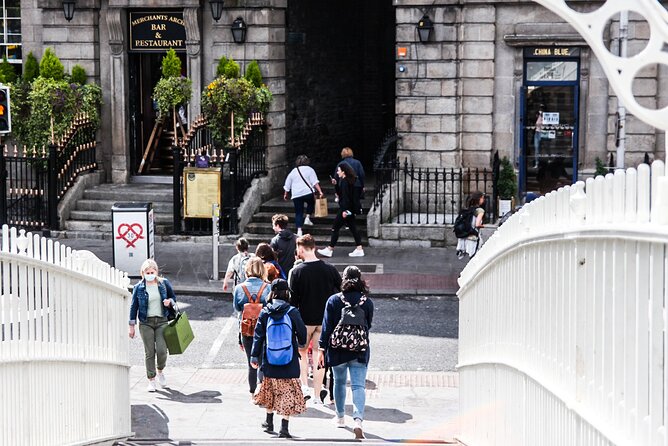
Your final major stop is Christ Church Cathedral, with a story about the Hear of St. Lawrence and its postmortem adventures. It’s a grim topic dressed in sacred setting, which is exactly the kind of contrast true crime fans often enjoy.
This stop can be fascinating because it challenges your idea of what “crime” looks like. Instead of focusing only on a courtroom scandal, the story includes how religious relics, evidence, and public fascination could end up changing hands. The cathedral setting also helps you understand why these stories stuck in the public imagination.
Time here is around 10 minutes. The tour ends after this, so it is usually a good moment to ask any last questions you have, especially if something you heard earlier felt incomplete.
Storytelling style and group size: how you’ll experience it
This tour caps at 19 people, which is a meaningful difference. In a small group, the guide can adjust pacing if you miss a key name or want the background again. It also helps if you like interactive moments, because questions do not get lost in noise.
From the feedback patterns tied to this tour, the experience tends to be most satisfying when the guide can keep the story threads clear from stop to stop. When the delivery is smooth, the route feels like one connected narrative, not six separate mini-lectures. When something goes off rhythm, the disjointed feeling is more noticeable because the tour is short overall.
If you are hard of hearing, bring your best attention habits. Even though everything is guided, the route is outdoors and in busy areas, so it helps to stand where you can hear clearly and avoid lingering at the back.
Price and value: $16.90 for a focused walking route
At $16.90 per person for about 2 hours, this is priced like a “light but meaningful” city experience. For the cost, you get a structured route, guided storytelling, and time at major city landmarks that many visitors would otherwise see without context.
A useful detail for value: the listed stops show admission ticket free, so you likely will not stack extra entry fees on top during the walk. That matters because true crime tours can sometimes price themselves into a “pay for access plus pay for narration” situation. Here, the emphasis stays on the walk and the explanations.
The “value” also comes from the timing. The stop lengths are tight, which forces focus. You get a sample of multiple storylines instead of one long lecture. If you only have one afternoon slot and you want Dublin through a darker lens, it is an efficient use of time.
Who this tour suits best (and who should think twice)
I’d point this tour toward people who enjoy true crime, historic punishment stories, and seeing how myths, investigations, and social fear shaped Dublin. It also suits couples, solo travelers, and anyone who likes short guided walks with landmarks they can revisit later for photos.
Think twice if you specifically want only one narrow theme, like Victorian-era poisonings, or if you want extremely detailed casework at each site. The tour’s design favors a mix of eras and shorter stop narratives. It is more “connected route” than “deep archival research.”
Should you book the Dublin True Crime Tour?
Yes, if you want an easy, structured way to see central Dublin with crime history tied to places you can point to on a map. The small group size helps a lot, and the itinerary includes both well-known landmarks and moments like the Veronica Guerin memorial that give the theme real emotional weight.
Skip it or add a backup plan if you expect one long, slow, Victorian-focused case. This is a walking route that moves, and the stories come in chapters. If that pacing sounds like your style, you’ll likely have a fun, slightly spooky evening and walk away with new Dublin connections you will remember.
FAQ
How long is the Dublin True Crime Tour?
It runs for about 2 hours.
How much does the tour cost?
The price is $16.90 per person.
Where do I meet the guide and where does the tour end?
You start at 1 College Green, Temple Bar, Dublin, D02 YT92, Ireland. The tour ends at St Audoen’s Catholic Church, High St, Merchants Quay, Dublin, Ireland.
What time does the tour start?
The start time is 4:00 pm.
Is the tour offered in English?
Yes, it is offered in English.
How large is the group?
The tour has a maximum of 19 travelers.
Do I need to worry about weather?
Yes. The experience requires good weather. If it is canceled due to poor weather, you’ll be offered a different date or a full refund.
What is the cancellation policy?
You can get a full refund with free cancellation if you cancel up to 24 hours in advance of the start time.
Just in from the Liffey side





Tours, compared.

Cliffs of Moher, Burren & Galway City Day Tour
Read our review →
Dublin to Cliffs of Moher, Burren, Wild Atlantic Way, Galway Tour
Read our review →
Giants Causeway, Dark Hedges, Dunluce & Belfast Tour
Read our review →
Kilkenny, Wicklow Mountains & Glendalough Day Tour from Dublin
Read our review →
Wicklow Mountains, Glendalough & Kilkenny Tour
Read our review →
Dublin Highlights and Hidden Gems Guided Walking Tour
Read our review →
Dublin to Glendalough, Wicklow and Kilkenny Full Day Guided Tour
Read our review →