
Reviewed · MUSEUMS
Dublin: Treasures of Ireland Museums Private Tour
Museums can feel like school, but this one tells stories. You get a smart, private tour that links paintings, books, and artifacts into one Ireland timeline, with museum entry already included. I especially love how the guide turns what you see into meaning, and how the focus stays on highlights across three top national sites instead of getting lost. One thing to consider: there is no hotel pickup, so you’ll need to make your way to the start spot outside the National Gallery on Merrion Square West.
What makes this work in just 3 hours is the pacing. You spend about 40 minutes at each museum, then use a break mid-tour to keep your brain from turning into a shuffled map. In the best case, you’ll get a guide like John or Augustine, both praised for making the visit both productive and fun.
In This Review
- Key points before you go
- How this tour connects Irish art, literature, and archaeology into one timeline
- Start outside the National Gallery on Merrion Square West
- Inside the National Gallery: Norman Conquest symbols and Irish Civil War paintings
- The National Library stroll: Yeats and Ireland through words
- National Museum of History and Archaeology: Tara Brooch and Ardagh Chalice in the Golden Age
- The mid-tour break and why the 3-hour format works
- Price and value: what $492 per group really buys
- Guides make the difference: John and Augustine’s impact
- Who should book this tour, and who might prefer something else
- Should you book Dublin Treasures of Ireland Museums Private Tour?
- FAQ
- How long is the Dublin museum tour?
- Where do we meet the guide?
- Which museums are included?
- Is museum entry included in the price?
- Is this a private tour?
- How many people can be in the group?
- Do we need hotel pickup or drop-off?
- Is the tour wheelchair accessible?
- Is food included?
Key points before you go
- A private guide with a tight storyline that connects Irish art, literature, and archaeology
- Three major museums, one focused route, with about 40 minutes per stop
- Stop highlights only, so you’ll see key works without running all day
- W.B. Yeats, Norman Conquest paintings, and Civil War art are part of the talk
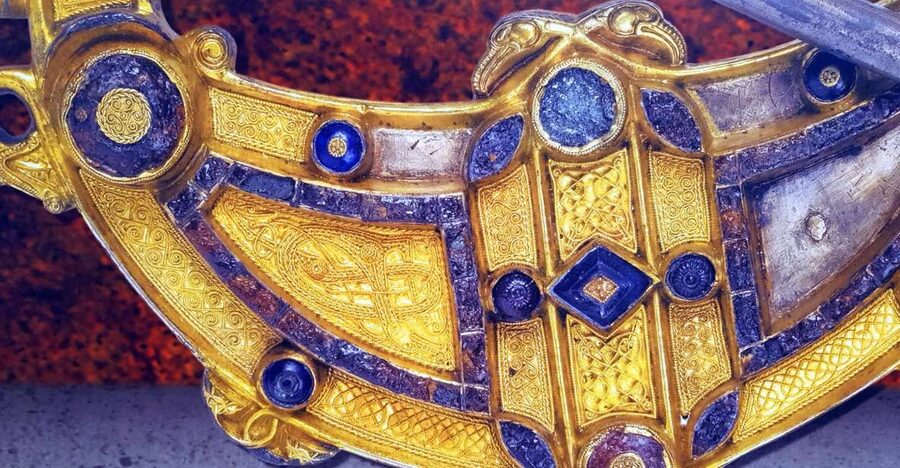
- Golden Age objects like the Tara Brooch and the Ardagh Chalice get real context
How this tour connects Irish art, literature, and archaeology into one timeline
Here’s the trick with Irish history in museums: it can look like separate collections. This tour treats them like pieces of one puzzle. You’re not just looking at objects. You’re learning how they fit together, and why they mattered in their moment.
You’ll move through art at the National Gallery, literature and intellectual life at the National Library, and deep-time artifacts at the National Museum of History and Archaeology. That mix is the main reason this tour is satisfying. It gives you multiple angles on the same big story: traditions, wars, eras, and the shifts that shaped Ireland.
The guide is the real engine. The tour description leans hard on how the guide explains the pieces in a way that feels like sentences building into a story. Think of each highlighted artwork or artifact as a word, and your guide is turning those words into a narrative you can remember.
Because it’s a private group, you can ask questions naturally as you go. You’re not stuck with a silent, head-down self-tour vibe. And since it’s wheelchair accessible, the flow is built for people who need that kind of practical consideration.
More Dublin collections out of the rain:
Start outside the National Gallery on Merrion Square West
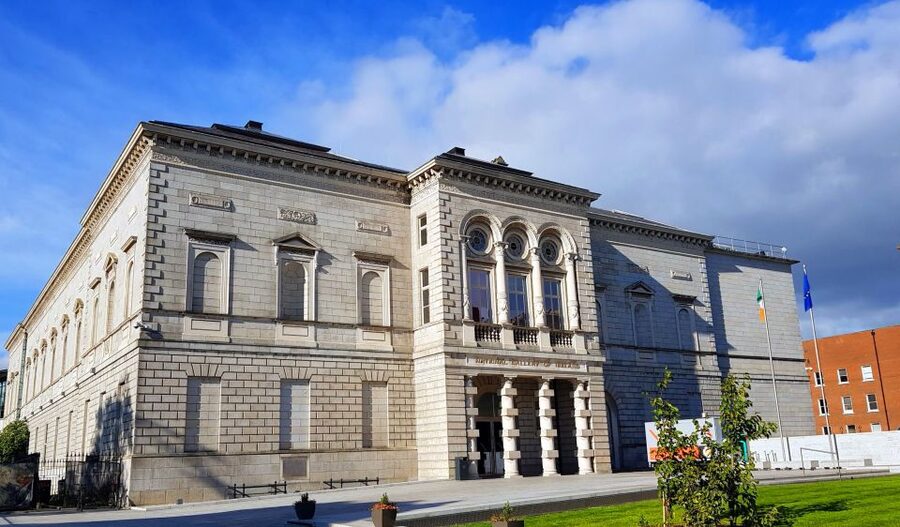
Your tour begins at a very clear meeting point: outside the National Gallery on Merrion Square West. That’s good news, because you avoid the common Dublin problem of “which door?” and “is this the right building?” The National Gallery area is also easy to navigate on foot once you’re in the city center zone.
From the start, you’re heading straight into the first 40-minute museum block. This matters. If you’re traveling with a limited schedule, a tight start keeps you from wasting time getting oriented. It also helps you stay focused, since the tour is designed to cover highlights rather than wander.
Tip: wear comfortable shoes. Even though the museums are in a compact route, you’ll still do the walking between spaces, and you’ll want your feet to cooperate.
Inside the National Gallery: Norman Conquest symbols and Irish Civil War paintings
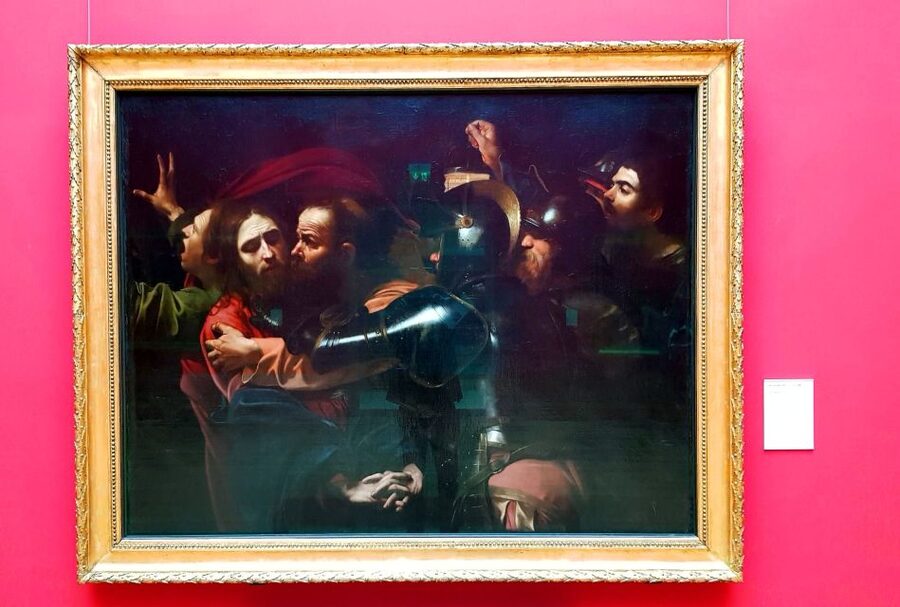
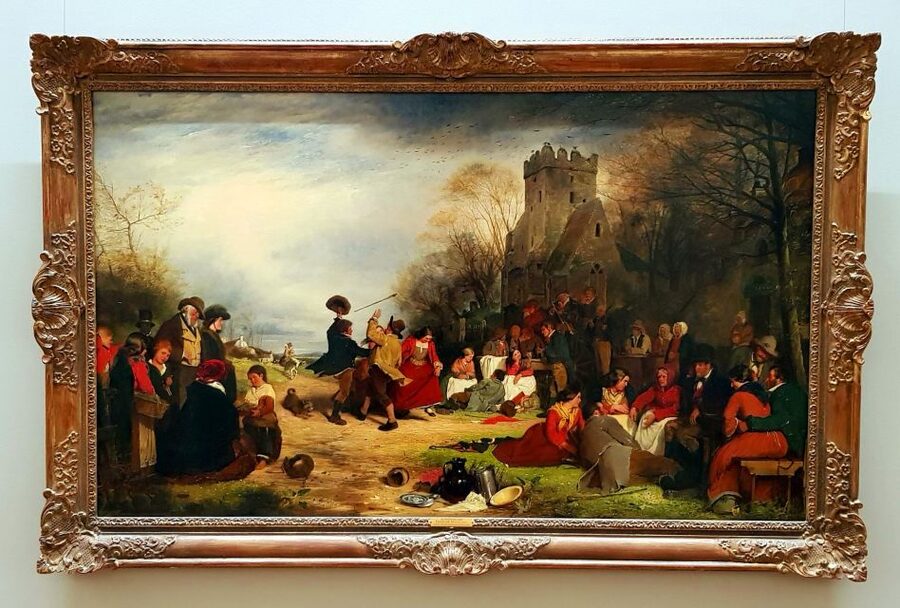
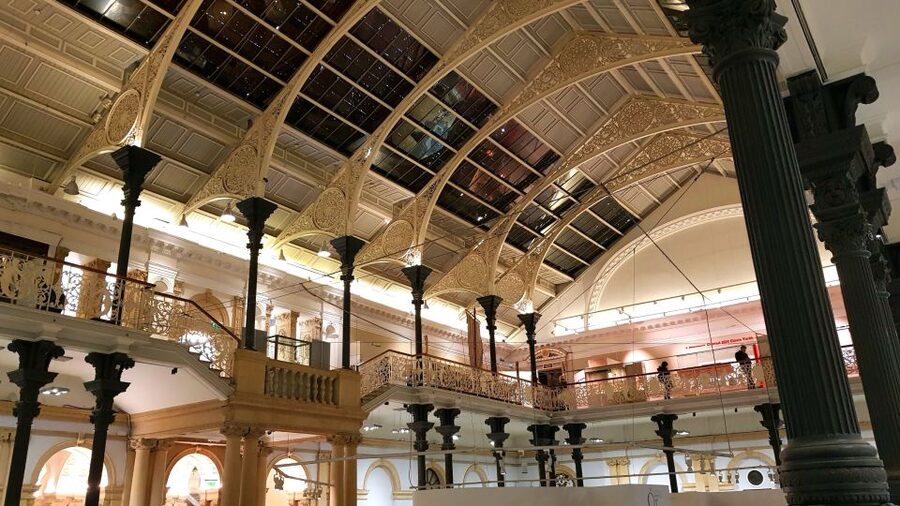
The National Gallery stop is your art introduction to Ireland’s turning points. You’ll spend about 40 minutes there, and the tour focuses only on highlights tied to the storyline.
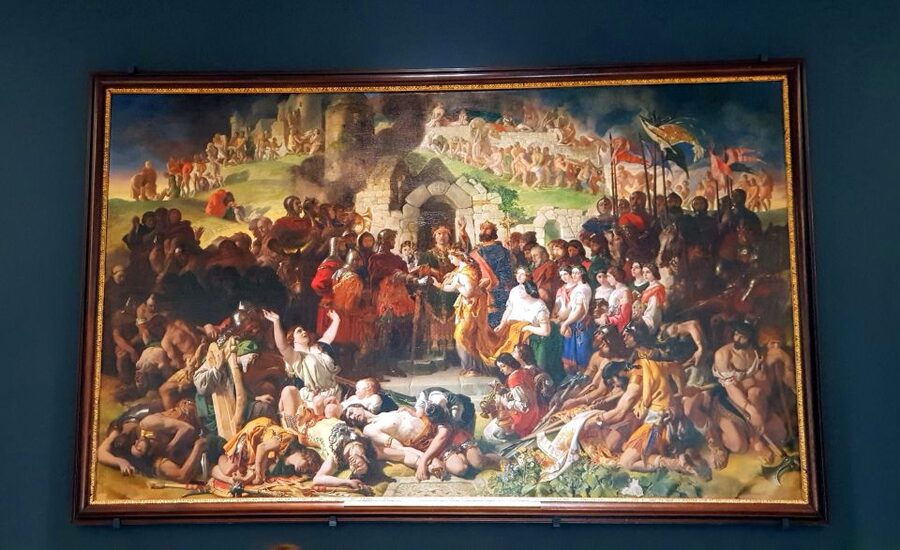
One of the key themes is how art reflects major historical moments. The tour specifically calls out symbolic paintings representing the Norman Conquest of Ireland and the Irish Civil War. Even if you’ve seen photos of famous Irish landmarks or heard broad history facts, these works can feel different when you see how symbols and imagery carry meaning.
Here’s what I like about this approach: it helps you read the paintings like documents, not just decoration. The guide’s job is to connect the visual cues to the “why.” Why did certain ideas appear when they did? What did they signal about identity, power, conflict, or belief?
If you’re the type who gets overwhelmed by museum size, this stop is a win because it narrows your attention. You don’t need to try to interpret everything on your own. You get guided context for the moments the tour considers essential.
Potential drawback: if you’re an art super-fan who wants deeper time in one gallery room, 40 minutes may feel short. The tour is designed for breadth. It’s not designed for one-painting-binge mode.
The National Library stroll: Yeats and Ireland through words
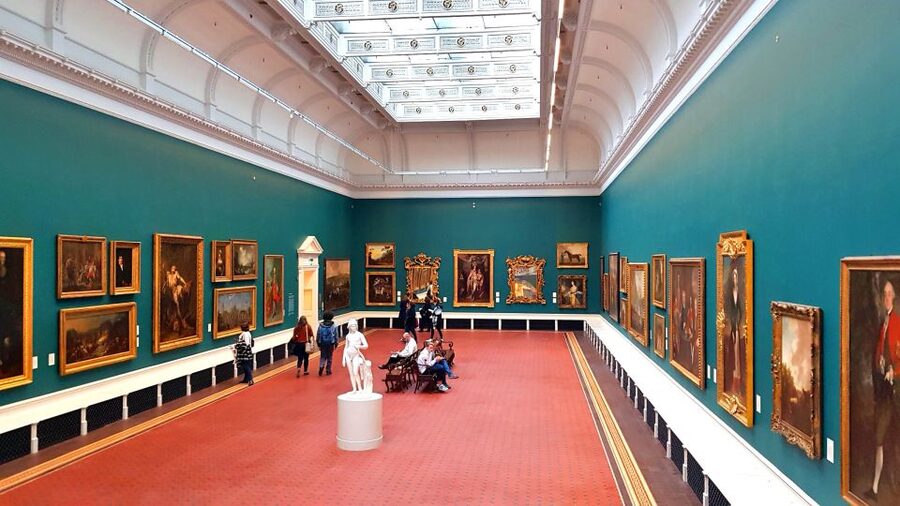
Next you move to the National Library of Ireland for another 40 minutes. This is where the tour shifts from images to language, and it’s a smart contrast. Art can show emotion and symbolism, but literature can show voice, argument, and worldview.
The tour includes insight into the life and works of W.B. Yeats, who is often treated as shorthand for Ireland’s literary identity. The guide uses Yeats as a way to talk about Ireland’s intellectual energy and the bigger currents behind the scenes.
What I find useful here is the way the tour doesn’t just name-drop a famous author. It uses Yeats to help you understand how cultural figures process history and shape how later generations see the past. Yeats sits at a crossroads of tradition and change, and your guide’s explanations are meant to help the pieces snap into place.
If you’re traveling with someone who prefers books over paintings, this is a strong stop. Even if you are more of an art person, you’ll likely appreciate the different kind of evidence museums can hold. Words also act like artifacts. They preserve time, even when the objects are in glass cases or archived pages.
National Museum of History and Archaeology: Tara Brooch and Ardagh Chalice in the Golden Age
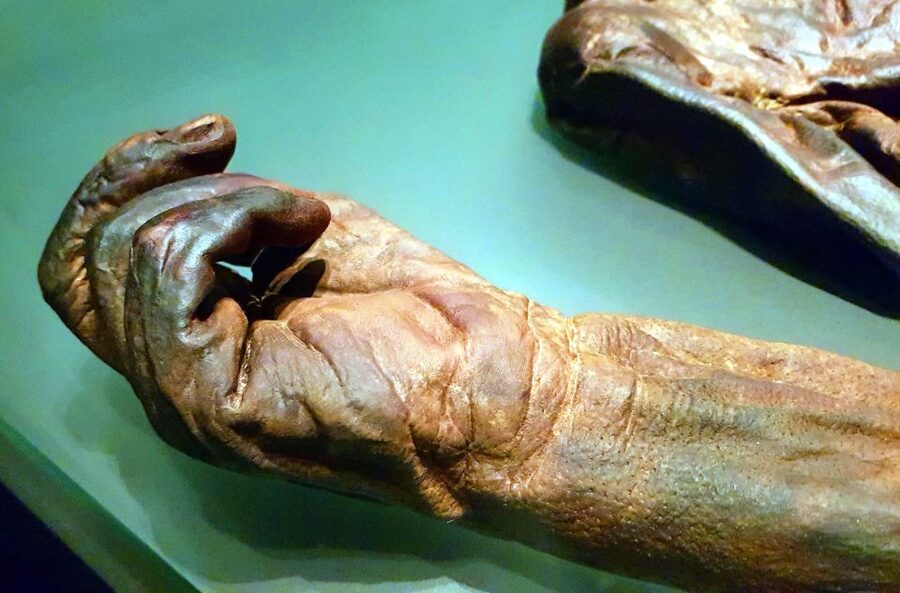
Then the tour moves into archaeology, the stop where Ireland’s deep past becomes very tangible. You’ll spend about 40 minutes at the National Museum of Ireland and finish at the archaeology focus.
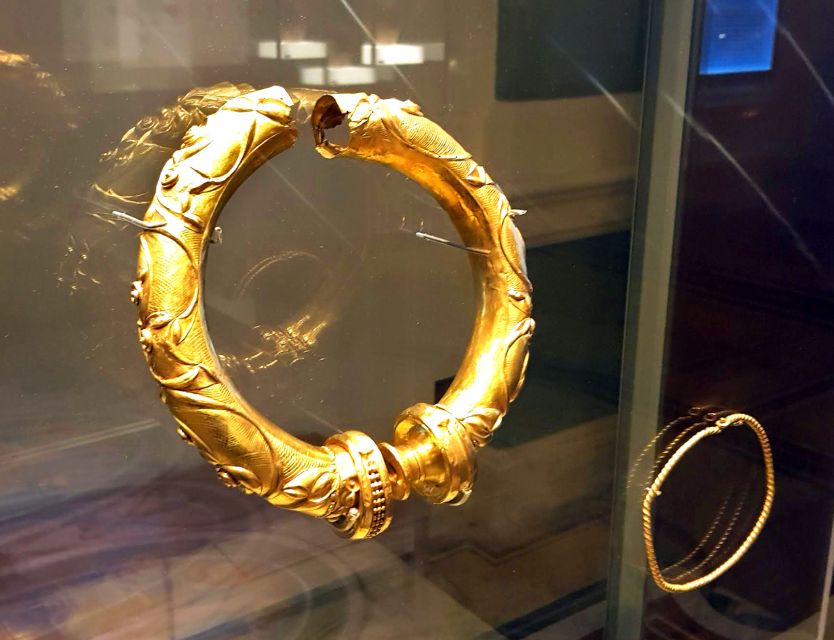
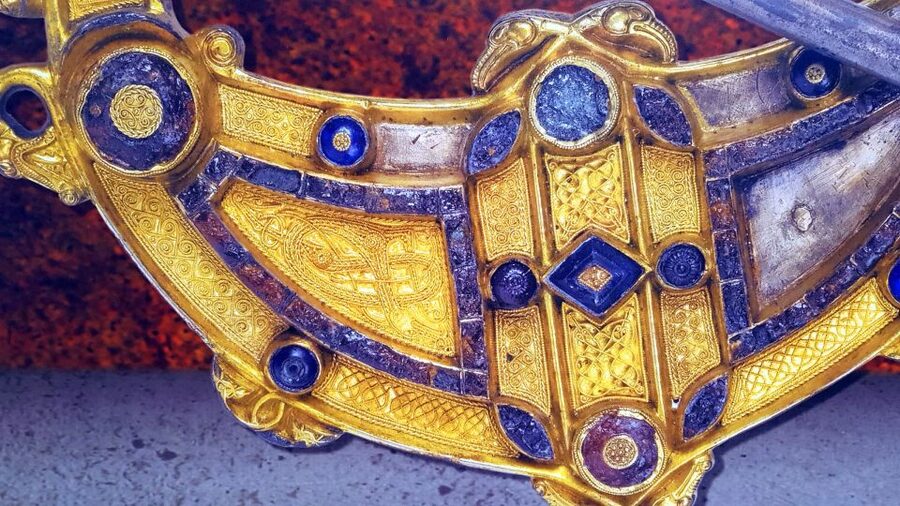
This is where the tour leans into the Irish Golden Age, especially the period often described as 500 to 800 AD. The highlight list includes two big names that carry serious weight in Irish cultural history: the Tara Brooch and the Ardagh Chalice.
The real value is not only seeing the objects. It’s the guide’s explanation of why those objects represent a time of skill, belief, and identity. Items like these often get treated as famous images in books. In a museum setting, you can see why people reacted so strongly to them in the first place, and you can understand how art and craftsmanship reflected the values of the era.
Your guide connects the artifacts into the broader “jigsaw puzzle” idea. In other words, they’re showing you how the archaeology stop supports what you learned in the gallery and the library. The message is consistent across sites: Irish culture is built from layers, and each layer leaves traces you can recognize.
Practical tip: at this point in the tour, pay attention to the guide’s interpretation, even if you feel like you’ve already “done history.” This is where those earlier story threads start to click.
A few other Liffey-side days to consider
- The Dublin Private Walking Tour
★ 5.0 · 701 reviews - Private Dublin Arrival Transfer – Airport to Hotel / Accommodation
★ 3.5 · 304 reviews - Private (Nearly!) All of Dublin in 5 hours (Walking Tour)
★ 5.0 · 281 reviews - Cliffs of Moher Private Award Winning Luxury Mercedes Car Tour
★ 5.0 · 176 reviews
The mid-tour break and why the 3-hour format works
This tour includes a break halfway through. That sounds small, but it’s a big deal in museums. Three hours can fly by, especially when you’re listening and moving between three institutions.
The 40-minute rhythm at each museum keeps you engaged. You’re not stuck in one room long enough to lose the plot. At the same time, the route is long enough to feel like you actually saw meaningful things, not just a quick photo stop.
If you’re traveling with kids or with anyone who tires easily in indoor spaces, the structure helps. You’re still doing museums, but you’re not doing a marathon.
One consideration: because it’s highlight-focused, you’ll likely want a second visit later if you fall in love with a specific theme. That’s not a failure of the tour. It’s a sign it gives you a taste.
Price and value: what $492 per group really buys
The price is $492 per group, up to 5 people, for a 3-hour private tour. On a per-person basis, the value changes depending on how many people share the group.
- If you fill the group at 5, you’re paying about $98 per person.
- If you book with 2 people, it’s closer to $246 per person.
So what are you actually getting for the money? You get a private Irish guide plus entry to the museums. That’s important, because museum admission can add up fast if you’re paying individually. You also get a guided route that saves time and reduces guesswork. In a city like Dublin, that kind of help matters, especially when you’re trying to hit the right parts of each museum.
Not included: hotel pickup or drop-off, and food and drink. That means you’ll want a plan for a meal later, or at least a snack if you get hungry. Also, because there’s no pickup, you’re responsible for getting yourself to Merrion Square West at the right time.
Overall, I’d call this a good value when you have multiple people and you want the museum highlights explained, not just seen.
Guides make the difference: John and Augustine’s impact
Two guide names show up in the experience feedback you provided: John and Augustine. John is praised for making museum visits both productive and fun, and for helping people see the highlights they might have missed without guidance. Augustine is also described as very good.
Those comments line up with what makes this tour feel worth it. The museums are big, and the highlights are not always obvious unless someone points them out and tells you what to look for. This is why the guide is more than “a person walking ahead.” The guide shapes your understanding.
If you care about context, that’s where this tour earns its keep.
Who should book this tour, and who might prefer something else
I think this tour is a strong fit if you want Irish history in a human scale. You’ll get a guided storyline that moves from major historical turning points to cultural identity, with art and artifacts acting like evidence.
It’s also a good match for:
- Couples or small groups who want a private guide for flexibility
- Travelers who are interested in Ireland’s culture, not only its dates
- People who like Yeats, Irish symbolism, or archaeology and want the links between them
I’d hesitate if:
- You plan to spend weeks studying art history and want deep gallery time
- You dislike museum explanations and prefer to wander without structure
- Your group wants food included as part of the experience (food isn’t included)
Accessibility is a plus. The tour is wheelchair accessible, which helps if mobility is part of your planning.
Should you book Dublin Treasures of Ireland Museums Private Tour?
If you want the best museums in Dublin, but only have a short window, I’d book it. You get a private guide, museum entry, and a focused route through the National Gallery, the National Library, and the National Museum of History and Archaeology. You also get specific highlights that tie Ireland’s story together, including art linked to the Norman Conquest and the Irish Civil War, the life and works of W.B. Yeats, and Golden Age objects like the Tara Brooch and the Ardagh Chalice.
Book it if your goal is understanding, not just ticking off buildings. Skip it if you already know you want long, solo time in one museum. This tour is designed to keep you moving and listening, in a good way.
FAQ
How long is the Dublin museum tour?
The tour lasts 3 hours. Starting times depend on availability.
Where do we meet the guide?
The guide meets you outside the National Gallery on Merrion Square West.
Which museums are included?
You visit the National Gallery of Ireland, the National Library of Ireland, and the National Museum of History and Archaeology (archaeology focus at the end).
Is museum entry included in the price?
Yes. Entry to the museums is included.
Is this a private tour?
Yes. It’s a private group tour.
How many people can be in the group?
The tour price is per group up to 5 people.
Do we need hotel pickup or drop-off?
No. Hotel pickup and drop-off are not included, and the tour meeting point is outside the National Gallery.
Is the tour wheelchair accessible?
Yes. The tour is wheelchair accessible.
Is food included?
No. Food and drink are not included.
Just in from the Liffey side






Museums, compared.
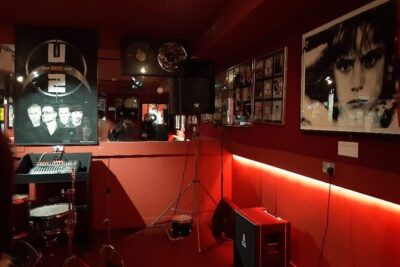
Irish Rock ‘N’ Roll Museum Experience Dublin
Read our review →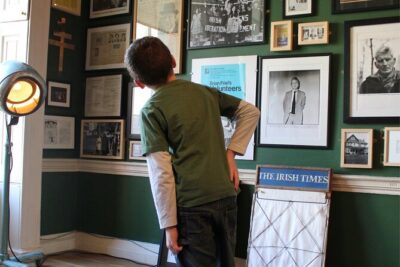
The Little Museum of Dublin Famous Guided Tour
Read our review →

Giant’s Causeway with the Titanic Exhibition and the best of Northern Ireland
Read our review →
Irish Whiskey Museum: Whiskey Blending Experience
Read our review →
Irish Whiskey Museum Blending Tour with Tastings
Read our review →Browse the lists this tour appears in