
Reviewed · CYCLING TOURS
Dublin: Bike & E-Bike Tour with a Local Guide
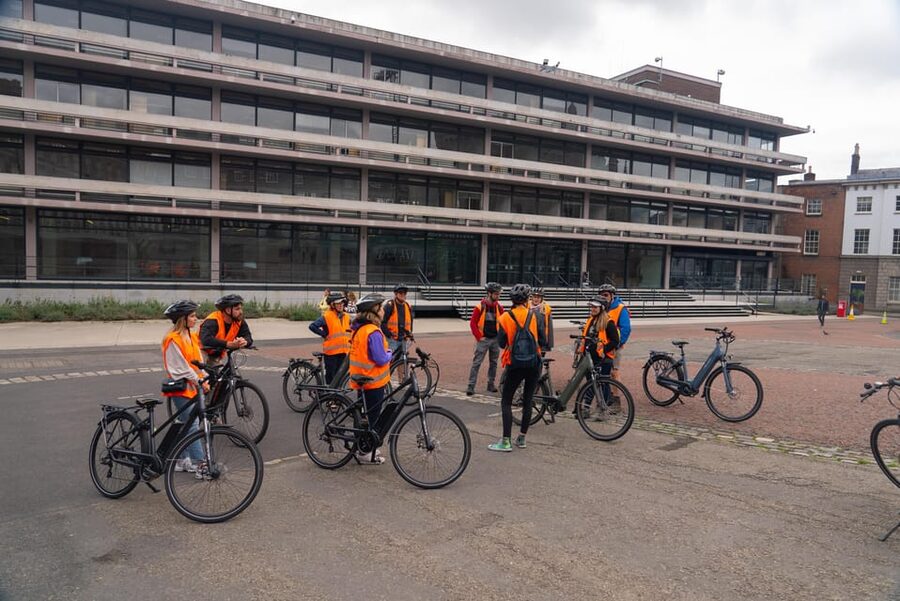
Dublin on two wheels is a fast way to get oriented. This bike tour runs with e-bikes or push bikes, so you can cover major landmarks and still feel like you are moving through real Dublin streets with a local guide. You get a big-picture view fast, plus the kind of side notes that make the city feel specific, not generic.
I love that the route is designed for comfort and momentum. The bikes get you rolling without drama, and the guide stops long enough for real questions, not just rushed photo stops. I also like the way the guides, including Laura and Hugh, mix history with wit, then keep an eye on the group in traffic.
One possible drawback: Dublin traffic is real, and even with bike lanes, you need to stay alert. If you hate sharing space with cars or you have very limited bike confidence, you may find the ride stressful rather than fun.
In This Review
- Key things to know before you ride
- Why cycling Dublin feels easier than walking
- Drury Street meeting point, arriving 10 minutes early
- Dublin Castle stop: the first landmark, the first orientation
- St Patrick’s Cathedral and a quick look beyond the main sites
- The Digital Hub and St Patrick’s Tower: a guided pause with a modern twist
- Guinness Storehouse on your route, time to take it in
- Between Royal Hospital Kilmainham and the city center, you learn geography
- Kilmainham Gaol and Christ Church Cathedral: two big anchors, two different vibes
- The guide matters a lot, and Laura and Hugh set the tone
- How hard is it? Dublin streets require focus
- What you get for $32, and why the value is more than the sticker
- Should you book this Dublin bike and e-bike tour?
- FAQ
- Where is the meeting point?
- How long is the tour?
- What type of bikes are offered?
- Is there instruction for using an e-bike?
- Are there food or drink stops during the tour?
- Who is this tour not suitable for, and what should I bring?
Key things to know before you ride
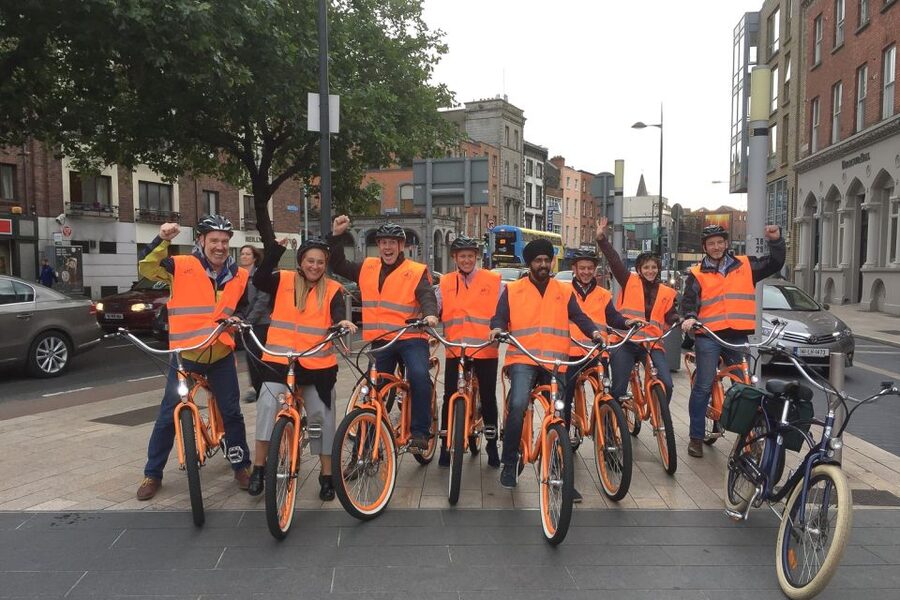
- E-bike or push-bike options with safety gear provided, and e-bike training included if you choose one
- Small group size (max 12) so you can ask questions and get practical help
- Major sights plus smart in-between stops from Dublin Castle to Kilmainham Gaol
- Digital Hub and St Patrick’s Tower included as a guided sightseeing moment, not a quick pass-through
- Guinness Storehouse as a highlight stop with time to take it in
- Local guide storytelling that sticks with humorous, detailed commentary like Laura and Hugh’s style
Why cycling Dublin feels easier than walking
Walking Dublin is great, but it can be slow. This tour gives you a cleaner, quicker way to connect neighborhoods because you are on a bike almost the whole time. You spend less energy getting from one landmark to the next, and more energy looking at what is in front of you.
If you pick an e-bike, you will likely feel the biggest difference right away. You can pedal steadily without the constant effort that makes longer city routes tiring. Even on push bikes, the overall experience is designed to be straightforward and not overly taxing, so it works well for people who want to see plenty without needing to train for a cycling event.
You also get something I really value on short trips: context. The guide does not just point at buildings, they explain what you are looking at, then connect it to how Dublin developed. That is how you start understanding where things are, and why different places matter.
A few other Liffey-side days to consider
Drury Street meeting point, arriving 10 minutes early
You meet at The Lazy Bike Tour Company at Drury Street Multi-Story Car Park (Bike Park) in Dublin 2. Plan to arrive 10 minutes before departure so you have time to check in, get set up, and start with the group.
This is a place where small details matter. One common snag is that there are two Drury Street car parks, and the one with bike parking is the correct one. If you rely on directions, it is worth double-checking you are at the Bike Park entrance rather than the other car park nearby.
Before you roll out, there is a safety briefing. It is not just “don’t fall.” You get guidance that helps you ride as a group and navigate city traffic more confidently. Then you are off, with the tour basically structured as short rides and timed stops so you are not stuck circling the same areas.
Dublin Castle stop: the first landmark, the first orientation
Your ride starts and settles into the tour at Dublin Castle. You get about 20 minutes at this first major stop, which is perfect for two things: snapping photos early, and getting a clear sense of where you are in the city.
Why this is a smart start: Dublin Castle is a big, obvious landmark, and it gives your guide an easy opening to talk about the story of the city. You will likely catch the way the guide connects the present-day city with older power centers, even if you only hear a short overview before moving on.
A practical note: use this first stop to get comfortable with your bike handling. If you picked a push bike, this is where you can feel the easiest pace. If you chose an e-bike, it is where you will likely feel how much help you are getting as the terrain and traffic change.
St Patrick’s Cathedral and a quick look beyond the main sites
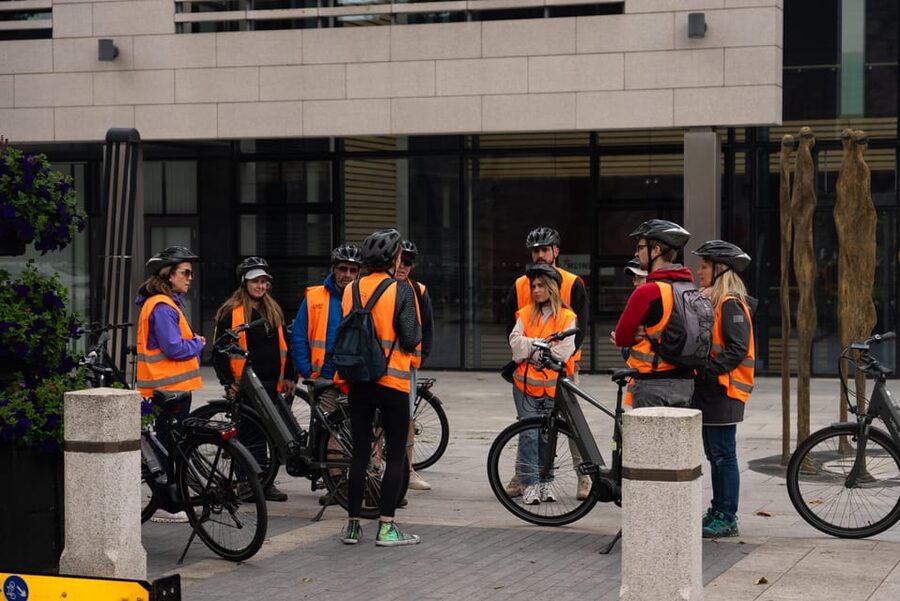
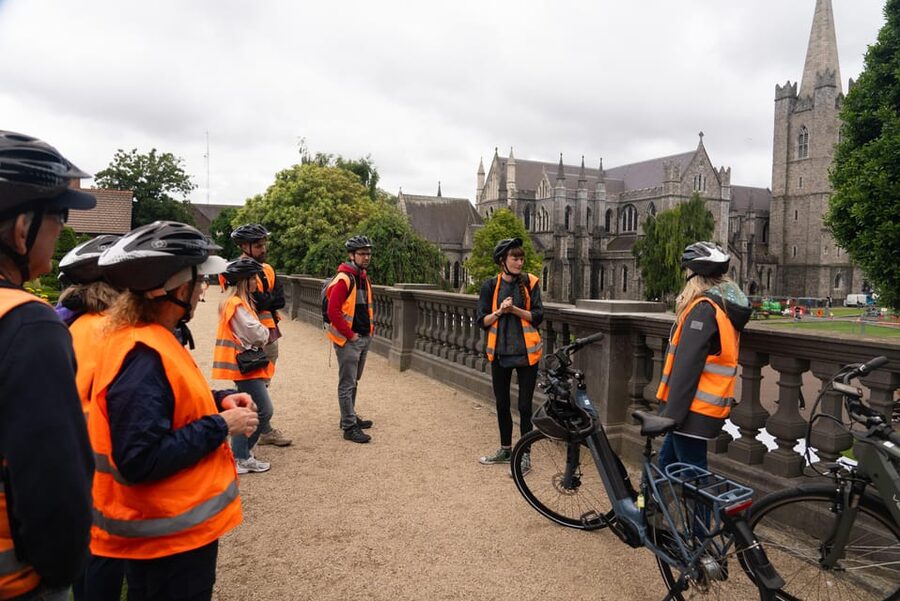
Next up is St Patrick’s Cathedral with about 15 minutes on the bike tour portion and stop time. This is a good second stop because it adds variety to what you saw at Dublin Castle, and it gives you a religious and cultural anchor for the city’s identity.
In a short window, you do not need an hour-long explanation to appreciate a landmark. What helps is how the guide frames what you are seeing, and the little bits of context that make the building feel connected to the city, not like a standalone museum object.
One reason I like this part of the tour: it is early enough that you are still fresh. By the time you get to later stops like Kilmainham, your brain has had time to start “mapping” Dublin. So the cathedral stop works like a mental warm-up.
The Digital Hub and St Patrick’s Tower: a guided pause with a modern twist
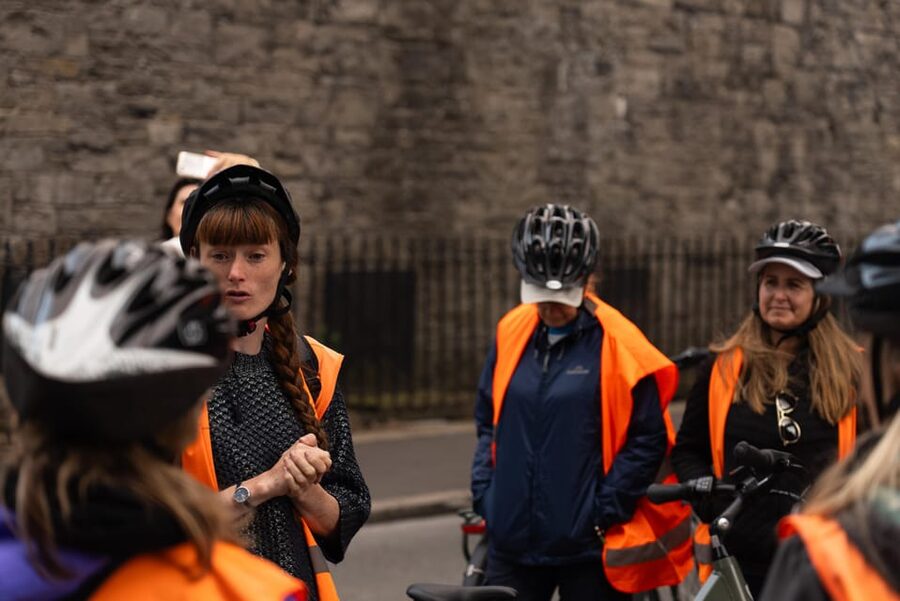
At St. Patrick’s Tower at The Digital Hub, you get around 20 minutes that includes guided sightseeing. This stop adds a nice contrast. After historic anchors, you see a more modern Dublin angle, and you get to connect the city’s old story with how it keeps evolving.
This is the kind of stop that can be easy to miss if you are just self-guiding by walking. Having it scheduled means you do not have to decide on the fly whether to go in or skip it. Your guide handles that decision for you, and you get a short, focused explanation that fits the time you have.
If you like photos, bring your camera here too. The lighting and angles are often more interesting when you are near a landmark designed to be photographed. Also, this is a good point to ask questions about what you might want to do later, because the tour is still early enough that you can adjust your plans.
Another way the same day could go from Dublin:
- Dublin to Cliffs of Moher, including Wild Atlantic Way and Galway
★ 5.0 · 23,331 reviews - From Dublin: Cliffs of Moher, Burren & Galway City Day Tour
★ 4.8 · 18,888 reviews - Dublin: Guinness Storehouse Entry Ticket
★ 4.6 · 16,863 reviews - Dublin to Cliffs of Moher, Burren, Wild Atlantic Way, Galway Tour
★ 5.0 · 12,924 reviews
Guinness Storehouse on your route, time to take it in
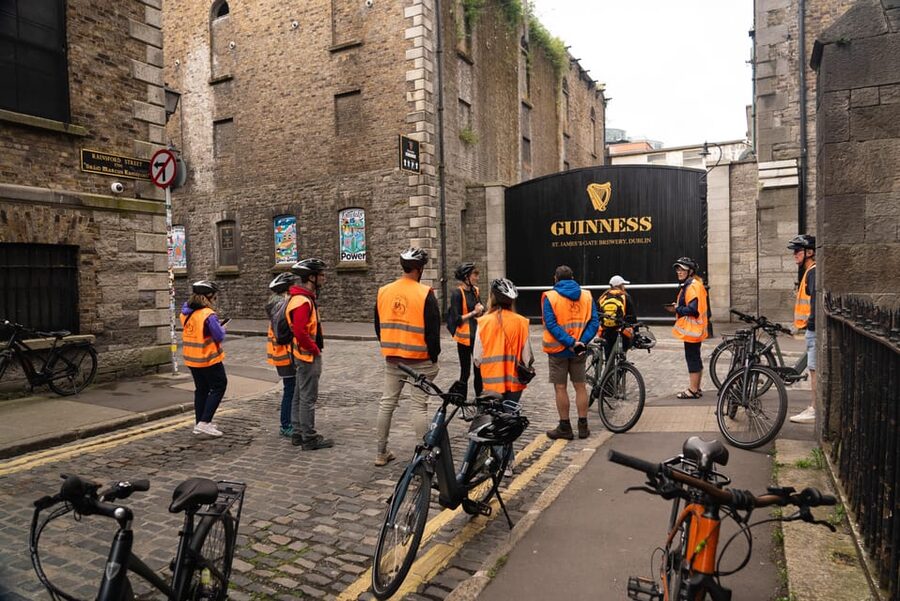
Then you arrive at Guinness Storehouse for about 20 minutes. This stop is a crowd favorite for a reason. Even if you do not plan to go inside for an extended visit, it helps to see the area and get a sense of why it is such a Dublin icon.
Why it works in a bike tour: you get a quick orientation while you are already moving between neighborhoods. You are not wasting time figuring out the best route. The bike ride between stops acts like a travel primer, helping you understand the city’s layout.
If you want to extend your visit later, use this time to look around and spot what you would come back for. It is also a good time to ask your guide how to fit other attractions into your remaining schedule, since they see the city in an efficient order and know what pairs well.
Between Royal Hospital Kilmainham and the city center, you learn geography
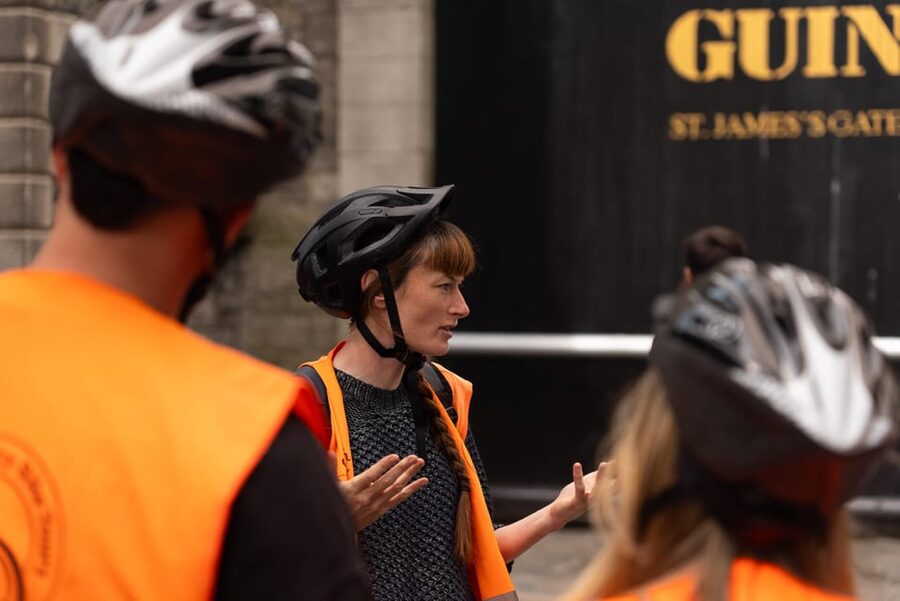
One of the most useful segments is the bike ride connecting The Royal Hospital Kilmainham to Dublin city centre, with about 25 minutes of riding. This might not sound exciting on paper, but it is where your understanding of Dublin starts clicking.
When you ride the distance, you feel the city as a network, not a list. You begin recognizing how the river and major corridors influence movement. You also see how certain districts feel different from each other as you pass through them quickly, then stop to look at standout points.
This segment is also valuable because it breaks up the landmark stops. Without it, the tour would feel like a string of photos. With this ride in the mix, it becomes more like a guided orientation, which is exactly what you want from a short city tour.
Kilmainham Gaol and Christ Church Cathedral: two big anchors, two different vibes
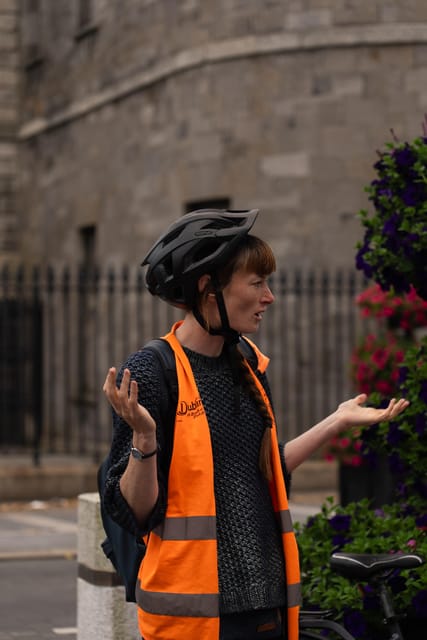
You spend about 20 minutes at Kilmainham Gaol. This is one of the most historically serious stops on the route, and it benefits from the guide’s commentary because you are not just staring at a building. You get an explanation that helps the place make sense in the larger story of Dublin.
Then you finish with Christ Church Cathedral for about 20 minutes. This pairing is smart. It gives you one stop that is heavy and reflective, and another that is more visually striking and steeped in Dublin’s religious and civic identity.
By the time you reach these last two points, you are likely more comfortable on the bike than at the beginning. The tour has guided you into the rhythm: brief rides, focused stops, then another short stretch. So your experience ends feeling like you covered real Dublin anchors without burning your day.
The guide matters a lot, and Laura and Hugh set the tone
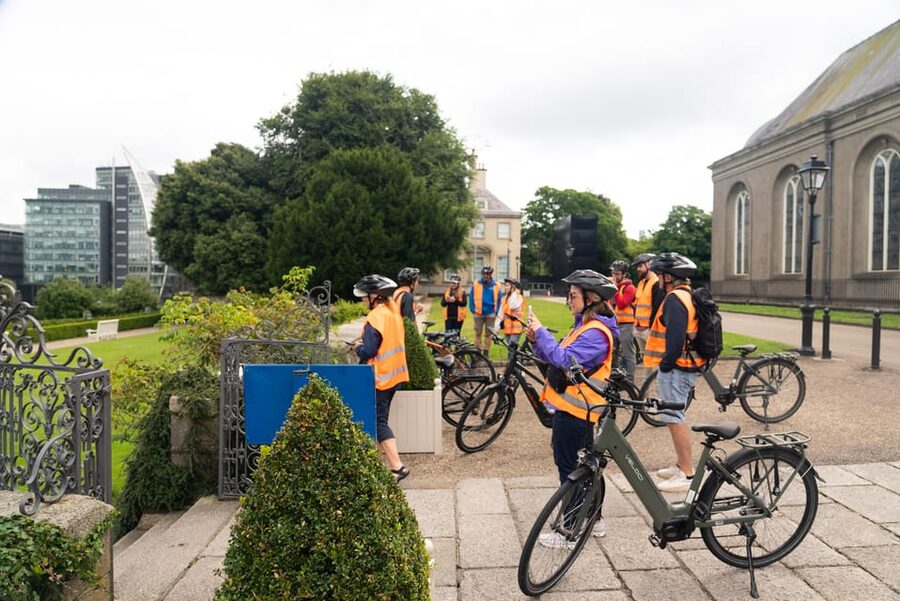
A huge part of the tour quality is the guide. The best feedback in the group centers on how guides like Laura and Hugh combine clear history, humor, and attention to safety.
You can feel this in how the tour runs. The guide does not just recite facts. They answer questions, including the obscure ones people sometimes ask when they are curious and paying attention. That is a big deal when you are spending only a couple hours in a city, because you do not want a script, you want a conversation that helps you see more.
Safety is also a practical strength. Multiple comments point to guides watching the group in traffic and helping people feel secure. That matters in Dublin, because even if bike lanes make things easier, you still share streets with cars. A good guide helps you understand what to expect and how to position yourself.
Finally, the guide often sends you away with useful follow-up tips for the rest of your trip. That is the hidden value of a guided orientation. You do not just learn facts during the ride, you leave with a better sense of what to do next.
How hard is it? Dublin streets require focus
This tour generally feels manageable. Many people note that the route is not difficult and that it is easier than they expected. The bikes are newer and well maintained, and with e-bikes in the mix, effort levels vary in a good way.
But Dublin cycling does come with a caveat. Reviews include a direct message: riding in traffic is not for everyone, and you do have to keep your eye on cars. That is why the safety briefing and the guide’s positioning matter.
If you are a confident cyclist, you will likely enjoy it as a smooth “see a lot, learn a lot” experience. If you are nervous, you can still choose an e-bike, which helps with speed control and reduces fatigue. And if you feel unsure on the first few minutes, speak up early. The guides are there to help the group ride together safely.
This tour is also not meant for everyone: it is not suitable for children under 14, pregnant women, or wheelchair users. Pets are not allowed. If any of those apply, you will want to choose a different style of tour.
What you get for $32, and why the value is more than the sticker
At $32 per person, this tour can be a very efficient value, especially if you treat it like your first-day orientation. Two hours may sound short, but the itinerary packs multiple landmark stops and a longer ride segment into one run. You get to see more than a typical walking loop would cover in the same time.
Here is what you are paying for beyond movement:
- A local guide who explains what you are seeing and answers questions
- Safety equipment
- E-bike setup and an e-bike how-to if you choose that option
- A small group size that helps the tour feel tailored rather than crowded
Also, you save energy for the rest of your day. A bike tour often makes it easier to keep going after the ride, instead of spending the afternoon tired. That matters if your goal is to squeeze in other attractions once you know where everything is.
One practical detail: there are no food or drinks stops. So plan to eat before or after. Bring a camera because the stops you hit are all photo friendly, and you will want something to remember Dublin by beyond just the memory.
Should you book this Dublin bike and e-bike tour?
Book it if you want a quick, guided way to learn Dublin with minimal hassle. I especially think it is worth it if you like history told in plain language, and you want to cover Dublin Castle, St Patrick’s Cathedral, Guinness Storehouse, Kilmainham Gaol, and Christ Church Cathedral without guessing your route.
Skip it if you know you will feel uncomfortable riding near traffic. Even with bike lanes and safety guidance, you need attention. Also skip it if you need a tour that includes frequent stops for breaks or food, because this one does not build in those pauses.
If you are debating between walking and cycling, I would lean bike. You get better city orientation per hour, and you leave with a map in your head that makes the rest of Dublin easier to navigate.
FAQ
Where is the meeting point?
You meet at Drury Street Multi-Story Car Park (Bike Park), Dublin 2, Ireland at The Lazy Bike Tour Company. The tour ends back at the same meeting point.
How long is the tour?
The duration is listed as 2 hours, and the route includes multiple short riding and sightseeing segments that total close to 2.5 hours.
What type of bikes are offered?
You can choose between a push bike or an e-bike. Safety equipment is included.
Is there instruction for using an e-bike?
Yes. You receive full orientation on how to use an e-bike if you select the e-bike option.
Are there food or drink stops during the tour?
No. There are no food or drinks stops on this experience.
Who is this tour not suitable for, and what should I bring?
It is not suitable for children under 14, pregnant women, or wheelchair users, and pets are not allowed. Bring comfortable shoes and a camera, and dress for the weather.
Just in from the Liffey side




Cycling Tours, compared.

Dublin Panoramic e-Bike Tour with Howth Adventures
Read our review →
E-Bike & Bike Tour with a Local Guide in Dublin
Read our review →
Private Dublin Historical and Heritage Tour by Bike
Read our review →
Bike Tour Along The Historic Waterways Of Dublin
Read our review →Browse the lists this tour appears in