Reviewed · DUBLIN
Women Of Ireland: Trailblazers & Pioneers
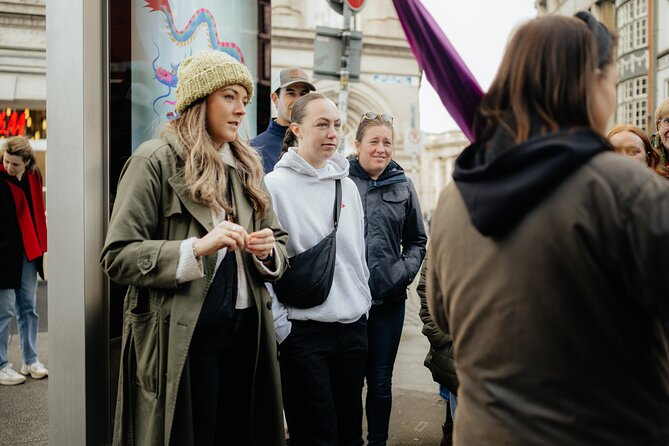
Forgotten women make Dublin feel new. This 1.5-hour small-group tour keeps your brain switched on by skipping generic famous-facts and focusing on Ireland’s trailblazers and pioneers, with real stories tied to real street corners. You start in the heart of Dublin at St Stephen’s Green, where the tour kicks off with a bust of Countess Markievicz and what she meant in the fight for independence.
I also like the structure, because the pacing is built for walking, talking, and remembering. You hit a sequence of short stops, including a guided visit into Dubh Linn Gardens, and the experience ends in the gardens area at Dublin Castle while Anne Devlin helps frame what Ireland looks like today. One possible drawback to note: the tour does not enter every major site, so you should expect mostly outside views at the Royal College of Surgeons and Dublin Castle proper, with admission sometimes noted as not included.
In This Review
- Key things to know before you go
- Women of Ireland in Dublin, not the same old checklist
- St Stephen’s Green and the bust of Countess Markievicz
- The Royal College of Surgeons stop, Margaret Skinneder included
- Mercer Street Upper and Margaret Anne Cusack, the Nun of Kenmare
- Ship Street Great and the suffragette movement with Hannah Sheehy-Skeffington
- Dubh Linn Gardens, Veronica Guerin, and the benefit of actually entering
- Ending with Anne Devlin in Dublin Castle gardens
- Guides, pace, and why small-group matters here
- Price and value for a 90-minute Dublin afternoon
- Practical route tips so you enjoy it more
- Who this tour is best for (and who might want something else)
- Should you book Women Of Ireland: Trailblazers & Pioneers?
- FAQ
- How long is the Women Of Ireland: Trailblazers & Pioneers tour?
- Where do I meet the guide?
- What time does the tour start?
- How big is the group?
- Is transportation or lunch included?
- Does the tour enter the Royal College of Surgeons or Dublin Castle?
- What’s included in the price?
- What if I need to cancel?
- Are service animals allowed, and is it generally accessible?
Key things to know before you go
- Start at St Stephen’s Green with Countess Markievicz and her role in independence.
- Royal College of Surgeons stop is outside only, with women connected to the Rising, including Margaret Skinneder.
- Mercer Street Upper spotlights Margaret Anne Cusack, the Nun of Kenmare.
- Ship Street Great connects the dots to suffragettes, including Hannah Sheehy-Skeffington.
- Dubh Linn Gardens is entered, with Veronica Guerin as the focus.
- Finish at Dublin Castle gardens with Anne Devlin, and a bridge to modern Ireland.
Women of Ireland in Dublin, not the same old checklist
Dublin is full of monuments and name plaques, but this tour nudges your attention in a different direction. Instead of rushing through the usual male-heavy timeline, it treats Irish women as the drivers of ideas, movements, and change.
What I like is how the stories stay attached to place. You are not just hearing about famous people in the abstract. You’re walking Dublin streets, then stopping at specific locations tied to the women the tour highlights.
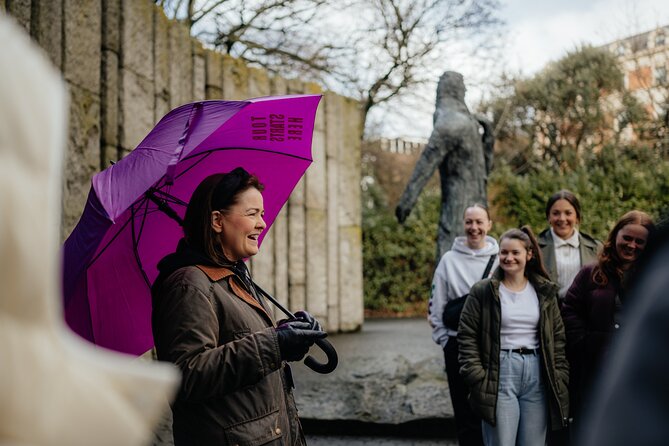
And because it’s limited to a maximum of 14 travelers, it feels more like a guided city chat than a lecture. You can ask questions, and the guide can match the amount of background you want, which helps a lot if you know Ireland’s history well or you’re starting from scratch.
Comparing before you commit? A few more that leave Dublin:




St Stephen’s Green and the bust of Countess Markievicz
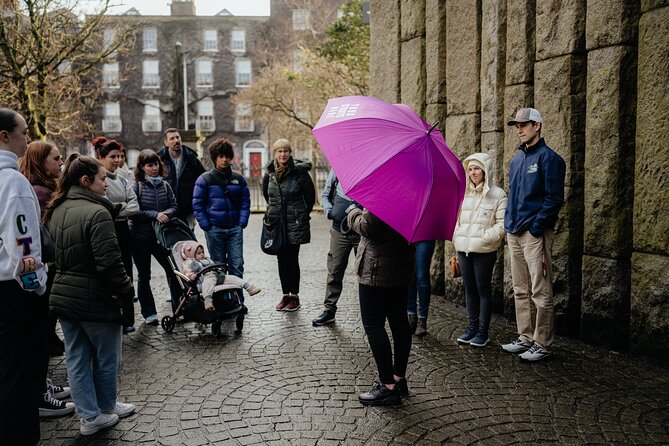
The tour meets at 11:00 am at the Wolfe Tone Sculpture, right by St Stephen’s Green. This is a smart starting point because it’s central, easy to reach on public transport, and it gives you a calm baseline before the walking begins.
The first story lands at the bust of Countess Markievicz. The tour uses that moment to introduce her role in the fight for independence, so your first impression of the tour is not vague or symbolic. You immediately get a clear historical anchor, then you move on while that context is still fresh.
If you like tours that start strong, this one does. You get a named person, a specific connection to independence, and a clear reason you are standing where you are standing. It’s the kind of setup that makes the rest of the afternoon easier to follow.
The Royal College of Surgeons stop, Margaret Skinneder included
Next up is a stop at the Royal College of Surgeons. This part is outside only, so the tour does not enter the building.
Still, the guide ties the location to women who held roles at RCSI during the Rising, including Margaret Skinneder. The practical point for you is that you’re not paying for an indoor visit here. It’s a story stop, built around what the site represents.
That outside-only format can be a plus, especially if you want to keep momentum. You spend less time on logistics and more time hearing how the guide connects women in Ireland to the institutions around them.
If your dream is to go inside RCSI for the architecture or collections, temper expectations. This experience is designed for walking and storytelling, not museum-style entry.
Mercer Street Upper and Margaret Anne Cusack, the Nun of Kenmare
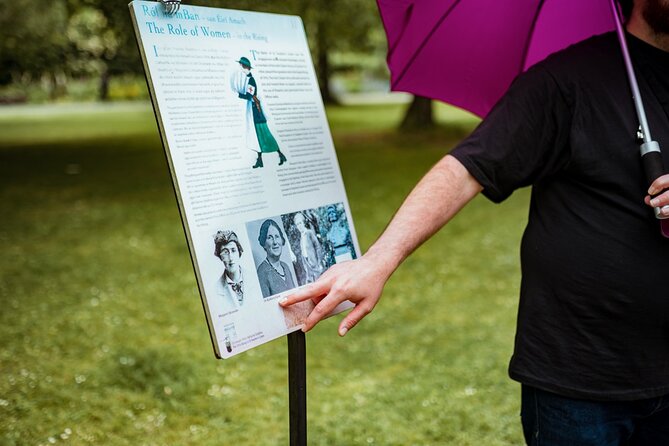
At Mercer Street Upper, the tour shifts into a different kind of influence. Here the spotlight is Margaret Anne Cusack, known as the Nun of Kenmare, and the guide focuses on her story.
I like this stop because it widens what you think “important” means in a history tour. It’s not only politics and public demonstrations. It’s also about how people organize life, services, and communities, and how those contributions can reshape a city over time.
It also keeps the tour from turning into a single-note parade of famous names. You move from independence-related context, to institutions tied to a Rising, and then to Cusack’s story on Mercer Street Upper. That pattern helps the tour feel varied instead of repeating the same idea in different outfits.
Expect a short, focused stop. The value here is the narrative thread the guide builds, not time spent lingering in one place.
Ship Street Great and the suffragette movement with Hannah Sheehy-Skeffington
Ship Street Great is where the tour turns to the suffragette movement. The guide brings in Hannah Sheehy-Skeffington and uses the location to explain why this movement mattered.
This stop is a key reason the tour feels different from generic “women in history” walks. You are not just being told women were present. You’re being shown a specific movement and a specific leader connected to it.
It’s also a good emotional tempo shift. After earlier stops tied to independence and institutions, this one focuses on civic rights and public pressure. That combination helps you see how change can happen through different routes.
Because the stop is on the street, you’ll get the story while you’re still in motion. That makes it easy to keep your attention without getting stuck in one spot for too long.
Another way the same day could go from Dublin:
- Dublin: Giants Causeway, Dark Hedges, Dunluce & Belfast Tour
★ 4.8 · 8,843 reviews - Dublin to Belfast Black Cab, Dunluce Castle and Giant’s Causeway
★ 5.0 · 7,954 reviews - Kilkenny, Wicklow Mountains & Glendalough Day Tour from Dublin
★ 5.0 · 7,897 reviews - From Dublin: Wicklow Mountains, Glendalough & Kilkenny Tour
★ 4.8 · 6,235 reviews
Dubh Linn Gardens, Veronica Guerin, and the benefit of actually entering
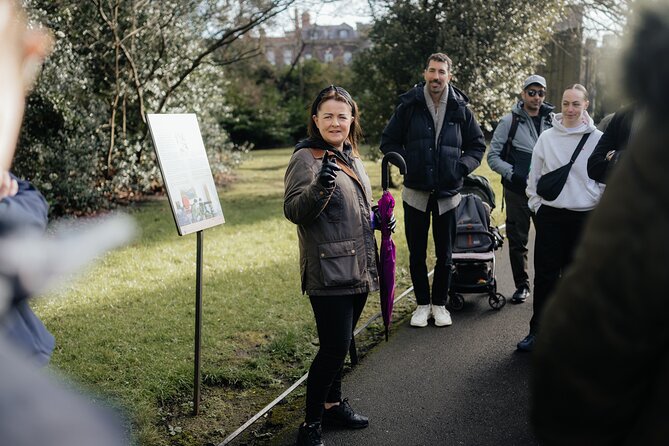
Dubh Linn Gardens is one of the best parts of the whole tour, mainly because it includes a true location experience. The tour enters the gardens here, so it’s not just a curbside story.
The guide explores the life of Veronica Guerin. You get a change of pace as you move from busy streets into garden space, which helps the topic land. It’s also a practical win if you like your walking tours to include at least one moment of calmer scenery.
For you, the big value is the contrast. The tour spends earlier time outside at street-level locations tied to organizations and movements. Then it gives you an indoor-or-outdoor pause that makes the story feel more grounded in atmosphere.
One note to keep in mind: the tour lists admission as free for this gardens entrance. So if you’re choosing between tours in Dublin and you care about what is included, this stop is a good sign.
Ending with Anne Devlin in Dublin Castle gardens
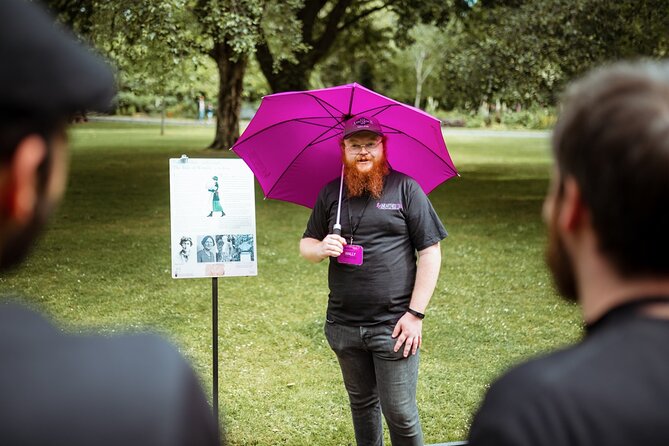
The tour finishes without entering Dublin Castle proper, but it ends in the gardens area. The final stop is Dame St and the gardens of Dublin Castle, and the guide finishes with the history of Anne Devlin.
This closing choice matters. It’s a way to keep you in a landmark setting while staying realistic about time and access. The guide also talks about modern Ireland, so the tour doesn’t just stop at past events. It tries to connect history to what the country looks like now.
I like endings like this because they help you remember the bigger point. The women you hear about earlier are not only names in books. They’re part of the story that led to the Ireland you see today.
And since you are not stuck outside for an extra long stretch, you get a clean landing into the castle gardens area and then you can head on with the rest of your day.
Guides, pace, and why small-group matters here
A lot of tours promise small groups. This one actually limits the total travelers to 14, and you can feel how that affects the tour style.
In particular, the guide’s storytelling approach is part of the product. The experience is built around short stops, about 15 minutes each, which means the guide can keep you engaged without dragging. It also gives you time to absorb the key names the tour highlights, like Countess Markievicz, Margaret Skinneder, Margaret Anne Cusack, Hannah Sheehy-Skeffington, Veronica Guerin, and Anne Devlin.
The best part is that guides can adjust how deep they go based on the group. If you arrive with lots of background, you can enjoy the extra layers. If you arrive with none, you still get the path through the story.
And you’re not stuck listening to a one-size-fits-all script for the whole 90 minutes. The small-group format makes it easier for the guide to serve different comfort levels.
The reviews also point to guides who stay upbeat and light while still moving the story forward. Names like Tara and Ciarán come up, and the theme is consistent: clear explanations, good timing, and a friendly rhythm that keeps the walking tour from getting heavy.
Price and value for a 90-minute Dublin afternoon
This tour costs $17.35 per person and runs about 1 hour 30 minutes. That price, for Dublin, is the right range for a guided walking experience that gives you structure, history focus, and a small group.
Here’s how I think about value with tours like this. You are paying for three things:
1) a guide who connects stories to specific Dublin locations
2) a tight route that you do not have to plan yourself
3) time saved from researching separately while you’re standing in the city
On this tour, you also get a real entrance into Dubh Linn Gardens, which helps justify the guided time. A couple of other major locations are outside only, but the schedule keeps it efficient. The tour stays compact, so you are not burning half a day before you’ve even started your other plans.
If you want a bigger day trip with transport and lunch, this is not that format. But if you want something focused, affordable, and easy to slot into your schedule, it fits well.
Also, the tour uses a mobile ticket and includes a guide plus an eco-friendly approach. That’s not just marketing fluff. It generally means less paper handling, efficient meeting, and a smoother start.
Practical route tips so you enjoy it more
Even the best tour can feel frustrating if you’re unprepared for the basics. Here are a few practical things that help you enjoy this one.
First, wear shoes that handle city walking. The tour is built around short stops, but you still cover enough ground over 90 minutes to matter.
Second, arrive a few minutes early. The meeting point is at the Wolfe Tone Sculpture at St Stephen’s Green, and the tour starts at 11:00 am. If you show up right at the time, you’ll spend your first minute of the tour checking where you are supposed to stand.
Third, bring a phone for your mobile ticket. If you like planning offline, take a screenshot too, just in case.
Finally, decide what kind of learner you are. This is a guided story experience. If you want to read every plaque slowly and take long pauses for photos, you might find the pacing fast. If you like short, clear stops with a guide talking, this tour is a good match.
Who this tour is best for (and who might want something else)
This tour is a strong choice if you want Dublin with a fresh lens. You’ll like it if you care about women’s roles in Irish history and you enjoy walking routes that connect stories to street-level locations.
It also works well if you are traveling with a mix of history interests. The stops are varied, so you are not stuck in one theme the whole time. Independence context early, suffragette movement later, and a modern Ireland bridge at the end keeps the emotional and topic flow balanced.
You might want a different option if your top priority is building interiors. The tour does not enter RCSI, and it does not enter Dublin Castle proper. It does enter Dubh Linn Gardens, which helps, but the overall style is outside-focused.
Should you book Women Of Ireland: Trailblazers & Pioneers?
If you want an easy, small-group way to learn women’s Irish history while seeing key Dublin neighborhoods, I think you should book it. The time commitment is short, the group limit keeps the vibe friendly, and the route is built around recognizable locations tied to specific women.
I’d especially recommend it if you’re the type who gets bored by generic facts tours. This one keeps moving with a storyline, and it ends with modern Ireland so it feels like more than a list of names.
Just be honest with yourself about what you want. If you’re craving lots of indoor site time, this is not the tour for that. If you want walking plus guided context, with a strong women-forward focus, it’s a solid use of an afternoon in Dublin.
FAQ
How long is the Women Of Ireland: Trailblazers & Pioneers tour?
It runs for about 1 hour 30 minutes.
Where do I meet the guide?
You meet at the Wolfe Tone Sculpture, St Stephen’s Green, Dublin, Ireland.
What time does the tour start?
The start time is 11:00 am.
How big is the group?
The tour is limited to a maximum of 14 travelers.
Is transportation or lunch included?
No. Private transportation and lunch are not included.
Does the tour enter the Royal College of Surgeons or Dublin Castle?
No. The tour does not enter the Royal College of Surgeons, and it does not enter Dublin Castle proper. It does enter Dubh Linn Gardens.
What’s included in the price?
A tour guide is included, along with eco-friendly, small-group format. The tour uses a mobile ticket.
What if I need to cancel?
You can cancel for free up to 24 hours in advance for a full refund.
Are service animals allowed, and is it generally accessible?
Service animals are allowed. The tour is near public transportation, and most travelers can participate.