
Reviewed · DAY TRIPS FROM DUBLIN
Northern Ireland 3-Day Tour from Dublin
Northern Ireland in 3 days is a fast, scenic hit of history, coastline, and real places you can still feel. This tour stitches together Giant’s Causeway and Derry with a solid Belfast base, plus monastery ruins near Dublin on the way out. It’s the kind of itinerary where the big moments are spaced with just enough time to breathe, as long as you stay on top of the group pace.
What I really like is the mix of stops that are famous for a reason, and the “local view” help you get from guides, especially in Belfast and Derry. I also like that you get entrances and breakfast handled, so you can spend your energy on the sights instead of ticket math all day.
One drawback to consider: details can feel unclear in a few areas. Some people reported issues with lodging quality, and there has also been confusion about whether certain attraction tickets, like Titanic, are included, so it’s smart to confirm before you go.
In This Review
- Quick hits before you commit
- From Dublin at 08:00: Monasterboice to Downtown Belfast
- Belfast orientation, murals, and why the Black Taxi is worth thinking about
- The North Coast day: Dark Hedges and the Giant’s Causeway walk
- Dunluce Castle ruins, then Derry walls in the afternoon light
- Derry at walking pace: Londonderry, siege stories, and Bloody Sunday sites
- Day 3 to Galway: Strandhill break on the Wild Atlantic Way
- Price and value: what $470 buys, and the Titanic ticket question
- Accommodation and guide quality: how to protect yourself
- Who this tour fits best, and who should rethink it
- Should you book this Northern Ireland 3-day tour from Dublin?
- FAQ
- Where do I meet for the Northern Ireland 3-day tour from Dublin?
- How long is the tour?
- What cities and main areas does the itinerary include?
- Is accommodation included?
- Are meals like lunch and dinner included?
- Are entrance fees included?
- Is the Black Taxi Tour included?
- What should I bring?
- Does the tour always go in the same direction?
- Is this tour wheelchair accessible?
Quick hits before you commit
- Giant’s Causeway walking time on the basalt steps, not just a roadside stop
- Monasterboice (a settlement dating back to 501 AD), a great “quiet” start day
- Belfast downtown base in a lively area with pubs, music, and easy wandering
- Derry walls with a local guide plus stops tied to Londonderry and Bloody Sunday
- Wild Atlantic Way stretch via Strandhill in Sligo, with time to grab lunch and reset
From Dublin at 08:00: Monasterboice to Downtown Belfast
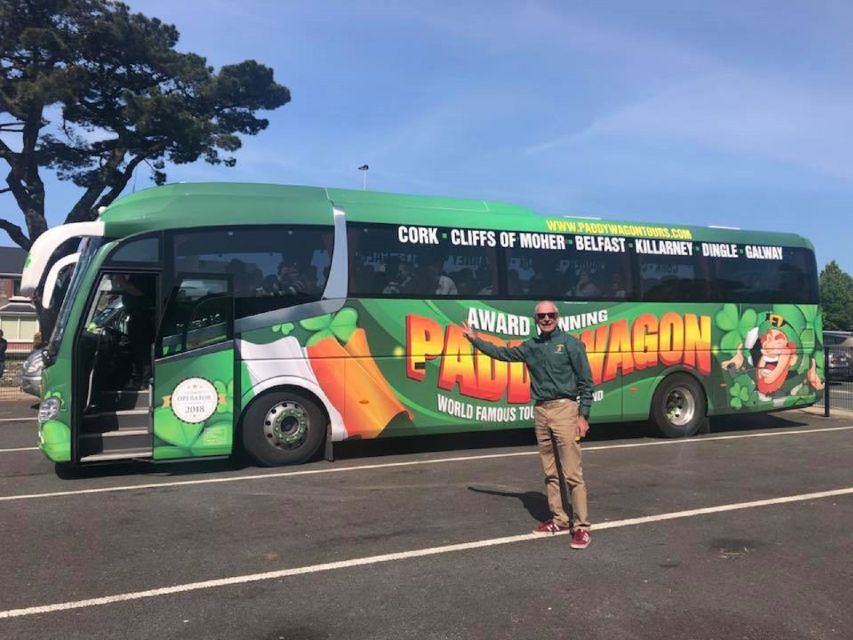
Your day begins early, with a 08:00 meet-up at Paddys Palace on Lower Gardiner Street in Dublin. From there, the tour heads toward Northern Ireland with a first stop at Monasterboice, a monastic settlement that dates back to 501 AD. Even if you are not a “ruins person,” this stop works because it is not just photo bait. It gives you a sense of deep time before the itinerary turns louder and more political in Belfast.
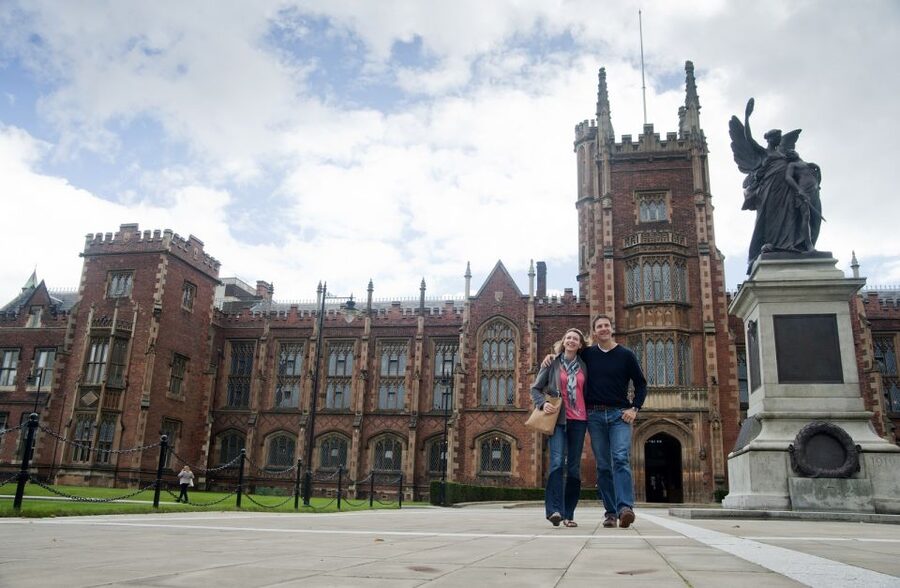
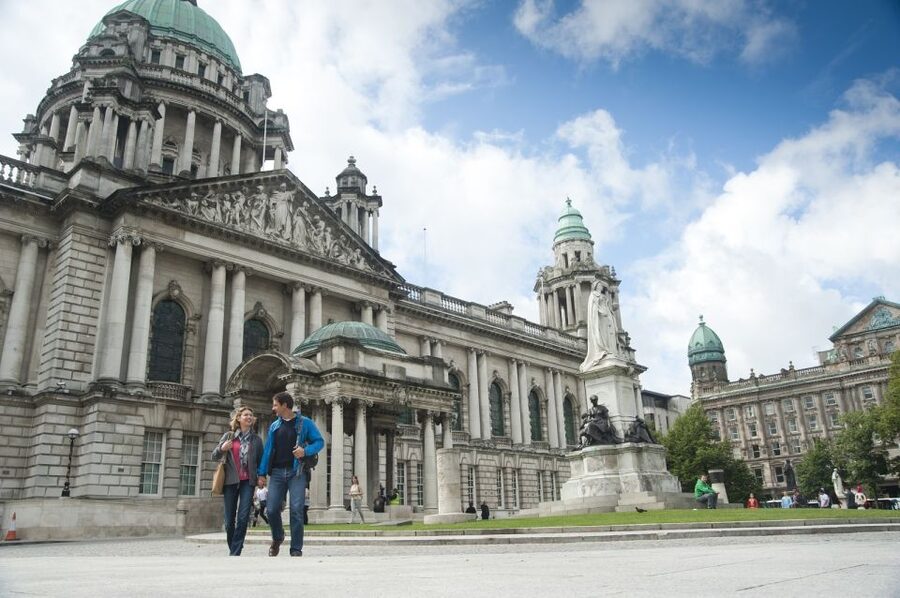
The rest of the morning is about transition. By late morning, you are in Belfast, and the tour shifts from rural history to city orientation. Your driver shares the key sights as you pass them, including City Hall, Queen’s University, Albert’s Clock, and the Botanic Gardens. It is the classic move: get your bearings fast, so you can enjoy your leisure time instead of guessing where to go.
I like this style because Belfast is walkable in short bursts, but it is not always intuitive. With landmarks and a quick orientation first, you can spend your free time choosing your own pace rather than following the bus like a tourist pinball.
Practical tip: wear shoes you can stand in for a while. The itinerary includes walking segments, and comfort beats “I’ll just tough it out” energy.
More Irish days that start at Heuston:
Belfast orientation, murals, and why the Black Taxi is worth thinking about
After your pass-by highlights, you get leisure time to explore Belfast. This is a good place to slow down and decide what kind of Belfast you want to see: modern city life, museums, or the story behind the murals and Peace Wall.
The optional Black Taxi Tour is the most helpful add-on if you want context. It is not included, but it is described as guided by local drivers who can explain daily life during the conflict period from 1969 to 1998, and it covers the Peace Wall and the well-known political murals. If you do it, you will understand what you are seeing instead of just filming it.
Belfast is also a night city. Your overnight stay is downtown in a lively area with pubs and restaurants for a range of budgets, and live music venues are easy to find. So even if the day feels full, your evening plan is usually simple: eat well nearby, listen to something live, and keep it low stress. That matters, because the next day is long and scenic.
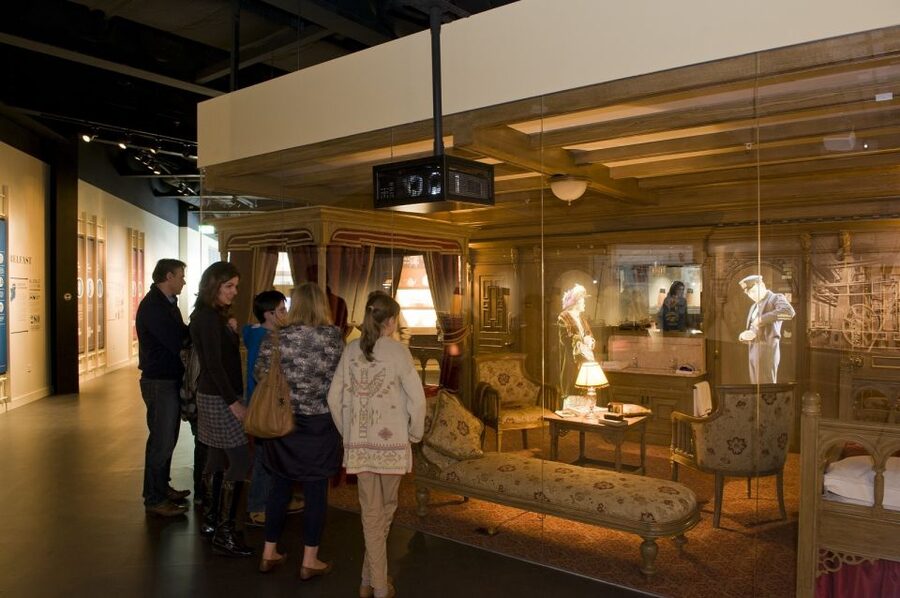
A note from the reality check side: some people have said the overall experience depends a lot on the guide and the accuracy of details. One thing I would not skip is being clear on what is included versus what you pay for on-site. If Titanic Experience is part of your intended Belfast time, confirm ticket coverage ahead of your trip, not when you reach the ticket desk.
The North Coast day: Dark Hedges and the Giant’s Causeway walk
Day 2 is the big driving day along the north coast. You start with a quick stop at the Dark Hedges, made famous through Game of Thrones. This is a straightforward “see it, photograph it, move on” kind of moment. If you treat it like a short stop rather than a half-day attraction, it fits the rhythm of the day well.
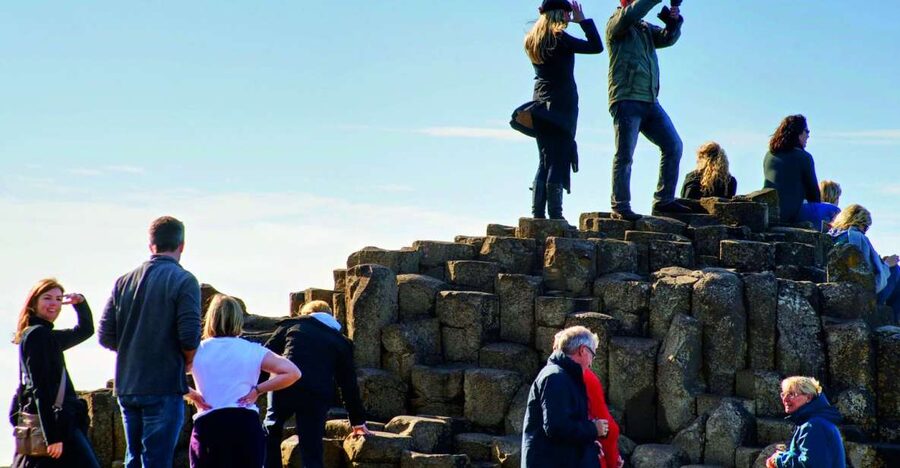
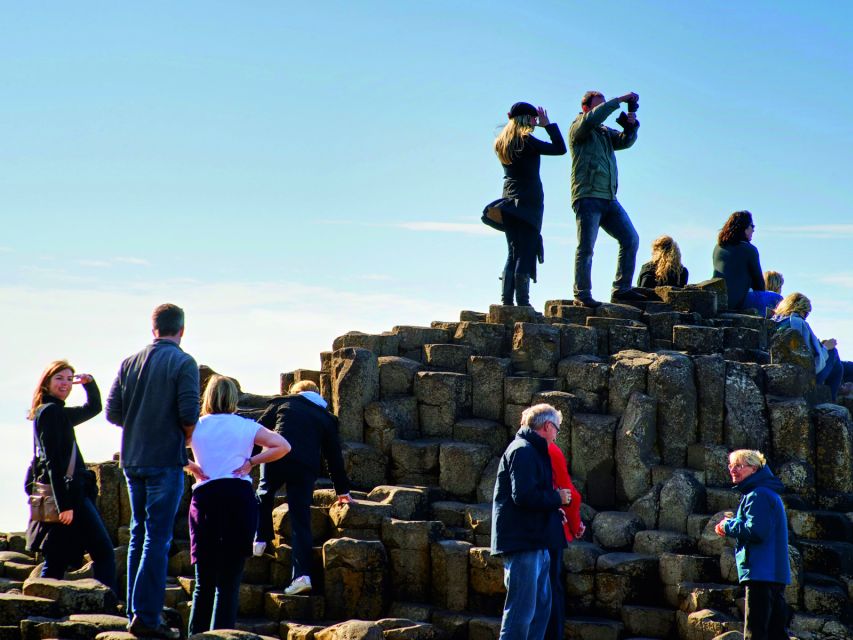
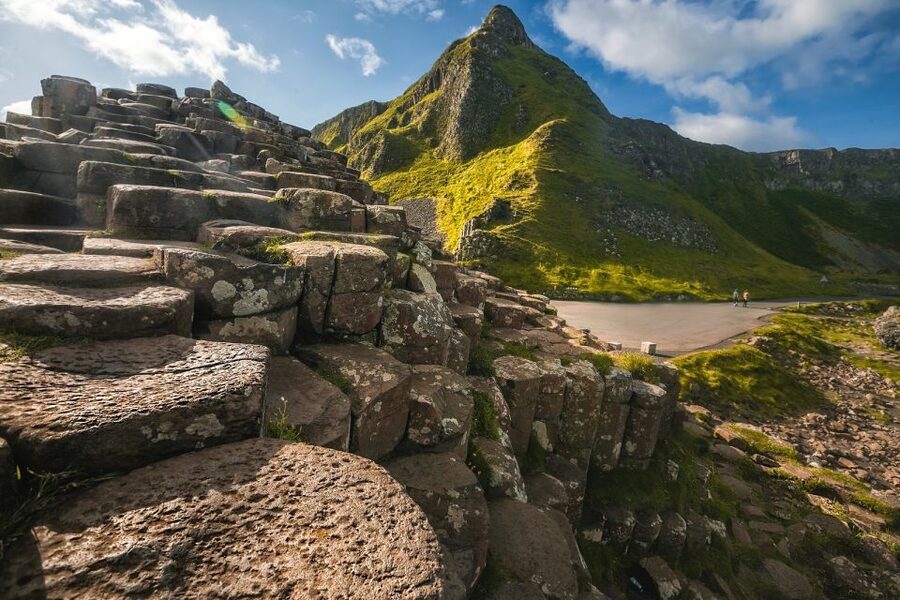
Then comes the jackpot: the Giant’s Causeway, a UNESCO World Heritage Site. You do not just roll by. You trace the basalt steps on foot, walking among an estimated 60,000 hexagonal basalt columns formed by long-ago volcanic activity. This is one of those places where geology makes perfect sense once you are physically there. The shapes are so regular that they stop looking random and start looking engineered by nature.
Your guide helps connect the dots, including stories about the giant warrior-hero Fionn McCool. Even if you are not into legends, the value is that you get a narrative. It changes the walk from “cool rocks” to “a location with meaning.”
Timing note: the biggest risk on any coast-and-icon tour is being rushed. Some people have reported not having much time at major stops. So if Giant’s Causeway is your number-one priority, keep your expectations realistic. Bring a flexible mindset, and use your time smartly: aim for the best viewpoints early in your visit so you do not feel behind later.
Dunluce Castle ruins, then Derry walls in the afternoon light
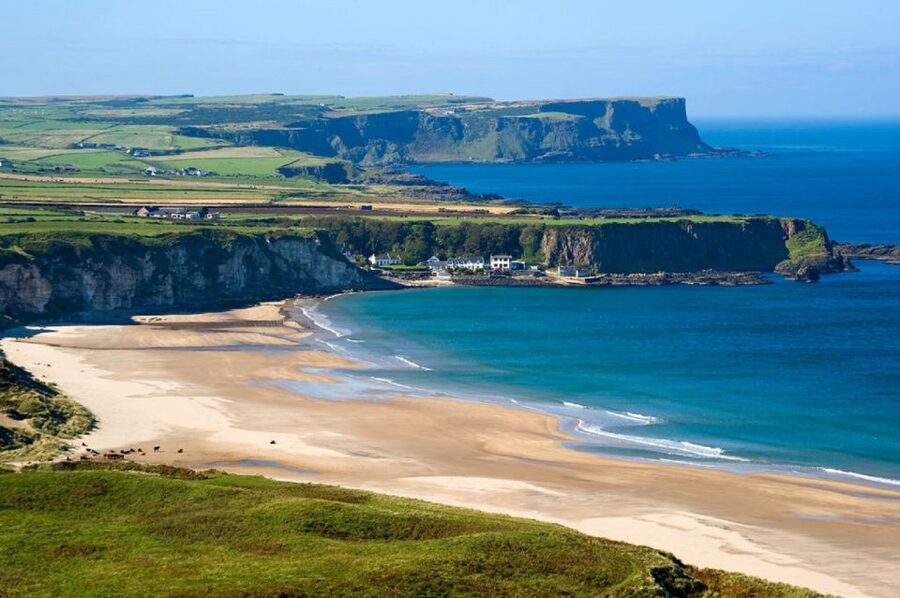
After Giant’s Causeway, you move to Dunluce Castle ruins, with paid entrance. The castle sits in an exposed, dramatic coastal position, which makes it a good “switch” after geology. One moment you are looking down at structured stone, the next you are scanning the coast line and imagining what the ruins would have felt like when the castle was lived in.
Then you head to Derry. You arrive with time for an afternoon that includes an in-depth walking tour of the city’s walls with a local guide. This is one of the most meaningful parts of the itinerary because Derry is a city you understand by walking it. The walls give you structure, literally and historically.
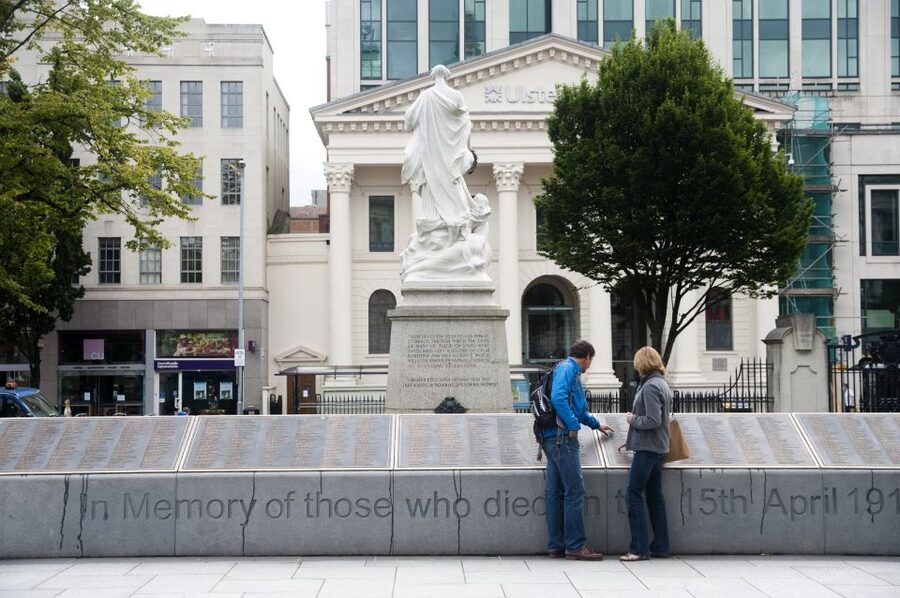
Your guide connects the city’s official name, Londonderry, and explains the story of the 1689 siege. Then you also have time to head into the Bogside district, tied to Bloody Sunday in 1972 and the inspiration behind U2’s Sunday, Bloody Sunday. It is not packaged as entertainment. It is presented as lived memory tied to specific places.
If you are sensitive to heavy subject matter, you may appreciate that the tour is place-based rather than generic. But it also means the day carries emotional weight. Go slowly when you feel the need, and do not let your pace become the loudest thing in the room.
Overnight is in Derry.
Derry at walking pace: Londonderry, siege stories, and Bloody Sunday sites
The Derry portion is designed for understanding, not just sightseeing. The key move is the combination of high-level wall history and then the neighborhoods where modern history shows up clearly in the streets and names.
That’s why the Derry walls walk is so important here. Walls are a physical map. Once you understand how the fortifications worked and how sieges shaped movement, you start noticing details you would otherwise miss. The guide helps you connect names and events to geometry, which makes the information easier to hold.
Then Bogside adds the human scale. Bloody Sunday is not abstract when you are in the district that experienced it. It also helps you see how art, music, and public memory can grow out of real events tied to real streets.
One practical consideration: this is not a wheelchair-friendly tour. Even aside from that, you should expect uneven surfaces and solid walking time. Comfortable shoes are not optional advice here. If your feet get sore, you will feel it fast in Derry.
If you are traveling solo or you do not like losing track of where the group is headed, stay close during transitions. Some tours can have accountability hiccups. You can protect yourself by keeping your meeting points in mind and checking in with your guide before you drift off for a snack or a quick photo.
A few other Liffey-side days to consider
- 3-Day Blarney Castle, Ring of Kerry, & Cliffs of Moher Rail tour
★ 4.5 · 211 reviews - 3-Day Southern Ireland Tour Including Galway and Kerry from Dublin
★ 4.5 · 123 reviews - From Dublin: Galway and Kerry 3-Day Budget Tour
★ 4.3 · 66 reviews - 3-Day Northern Ireland Tour from Dublin: Giant’s Causeway & Titanic Experience
★ 3.5 · 20 reviews
Day 3 to Galway: Strandhill break on the Wild Atlantic Way
After breakfast, you leave Derry and head down the west coast in the Republic of Ireland via the Wild Atlantic Way. The itinerary includes a stop at Strandhill in County Sligo, described as a premier surf area and beach, with time for lunch.
This is your decompress moment. The tour stops being “quote-unquote important stops” and becomes “take a breath, look at the water, eat something.” You might take a walk on surfing beaches, and there is even mention of The Strand Bar, which helps you anchor your free time in a specific, easy-to-find place.
Finally, you reach Galway, where you get free time before driving back to Dublin, arriving around 19:00.
Galway is a classic choice for a free afternoon because you can eat your way through the day or wander streets without needing a strict schedule. Since lunch and dinner are not included on this tour, your Galway time matters. Plan to eat somewhere you actually want, not wherever is fastest.
Price and value: what $470 buys, and the Titanic ticket question
At $470 per person for 3 days, you are paying for transport, accommodation with breakfast, a guide, and entrance fees. That is a real value package in theory, because a lot of the cost of an independent trip is “invisible” until you add it up: car, fuel, hotels, and entry tickets.
But there’s one catch you should treat seriously: attraction ticket inclusion can be confusing. The highlights mention Titanic Experience, yet some people have found on the spot that Titanic-related tickets were not included in their package. So do not assume. Confirm what exact Titanic admission is covered for your booking.
Also note: meals are not included. No lunch or dinner means you must budget for daily food. That does not make the tour overpriced automatically, but it does change the math. If you plan to eat out twice a day, your final spend will be higher than the sticker price.
Accommodation and guide quality: how to protect yourself
Accommodation is included with breakfast, but the quality can vary. One set of feedback called the lodging a serious disappointment and said the schedule and meal timing felt unclear, leaving people in the dark. Other feedback praised the driver, especially a local named Steve, who was described as exceptional, making the tour feel safe, fun, and informative.
So what can you do with that information?
- Ask what hotel you are assigned before you go, not just that you will stay downtown.
- Set your own meal strategy. Since lunch and dinner are not included, plan simple snacks or budget for paid meals.
- Keep your group discipline. If a tour has had accountability issues, you reduce the chance of problems by staying attentive during boarding and stop points.
In a tour like this, the guide is the glue. A great guide can turn a timetable into a smooth story. A weak one can turn it into stress. Your best defense is to arrive flexible, stay organized, and confirm the one thing you really care about: Titanic ticket coverage.
Who this tour fits best, and who should rethink it
This tour fits best if you want a structured 3-day sampler: Belfast orientation, coast icons like Giant’s Causeway, historic city walking in Derry, and a west-coast reset with Strandhill and Galway.
It is less ideal if:
- You rely on accessibility support, since it is not suitable for wheelchair users.
- You hate walking or standing for long stretches, since the core experiences involve sidewalks, ruins, and wall walks.
- You need very precise, minute-by-minute timing. Some parts of the day can feel tight if you get stuck waiting or if your group time at major attractions is limited.
If you love geography, myths, and real-world history tied to specific streets, you will probably find a lot to enjoy here.
Should you book this Northern Ireland 3-day tour from Dublin?
I think this is a good booking for the right traveler, with one big condition: confirm ticket details for Titanic Experience before you leave Dublin. If that one item is clear, the rest of the value holds up nicely thanks to transport, accommodation with breakfast, guided walks, and included entrance fees.
Book it if you want:
- Giant’s Causeway plus real time walking
- Derry walls and Bogside context with a local guide
- A practical pace that mixes guided stops and free time in Belfast and Galway
Hold off if you:
- Care deeply about lodging standards and want stronger certainty
- Prefer fully self-directed tours where you control every minute at each attraction
If you do book, go in with a simple game plan: pack comfortable shoes, keep snacks or money ready for lunch, and stay close during transitions. With that, the tour becomes what it should be, a smart way to see Northern Ireland without spending your whole trip managing logistics.
FAQ
Where do I meet for the Northern Ireland 3-day tour from Dublin?
Meet at 08:00 at Paddys Palace, Lower Gardiner Street, Dublin.
How long is the tour?
The tour is 3 days.
What cities and main areas does the itinerary include?
It includes Belfast and Derry in Northern Ireland, plus stops in Sligo (Strandhill) and Galway on the way back to Dublin.
Is accommodation included?
Yes. Accommodation is included, and breakfast is included with your accommodation (based on the option selected).
Are meals like lunch and dinner included?
No. Lunch and dinner are not included.
Are entrance fees included?
Yes. Entrance fees are included.
Is the Black Taxi Tour included?
No. The Black Taxi Tour is optional, and its cost is not included.
What should I bring?
Bring comfortable shoes.
Does the tour always go in the same direction?
It may operate in the opposite direction to the tour description if necessary, with the first night in Derry and the second night in Belfast.
Is this tour wheelchair accessible?
No. It is not suitable for wheelchair users.
Just in from the Liffey side




Day Trips from Dublin, compared.
Cliffs of Moher, Burren & Galway City Day Tour
Read our review →
Kilkenny, Wicklow Mountains & Glendalough Day Tour from Dublin
Read our review →
Cliffs of Moher, Burren and Galway Day Tour from Dublin
Read our review →
Blarney, Rock of Cashel & Cahir Castles Day Tour From Dublin
Read our review →
Cliffs of Moher Day Tour from Dublin: Including The Wild Atlantic Way
Read our review →
Dublin to Cliffs of Moher, Ennis Town & Bunratty Castle Day Tour
Read our review →Browse the lists this tour appears in