
Reviewed · MUSEUMS
Irish Famine Museum / Exhibition Dublin
A famine story, told in Dublin today. At St Stephen’s Green Shopping Centre, this self-guided exhibition on the Great Hunger pairs museum artifacts with a short film and rare aerial views of the park.
I love the mobile ticket approach, since it helps you skip entrance lines and keeps your hour moving. I also like the hands-on feeling of seeing items like an original soup pot, plus period newspapers and many 19th-century photos. One thing to plan for, it is reading-heavy and the film area may feel a bit warm, so bring the right expectations.
In This Review
- Key things to know before you go
- The Irish Potato Famine exhibition, inside St Stephen’s Green Shopping Centre
- Entering the experience: what your visit is really like
- Price and value for about one hour at 18.15
- What you’ll see, step by step at St Stephen’s Green
- The museum room and artifact moments
- The short documentary film, and how to pace it
- The rare aerial views of St Stephen’s Green
- Taking the lesson with you after you leave
- Who this fits best, and who should reconsider
- Families with kids
- Language support and accessibility details that matter
- Timing your visit: opening hours and comfort tips
- Should you book the Irish Famine Museum in Dublin?
- FAQ
- Where is the Irish Famine Museum exhibition in Dublin?
- How long does the exhibition visit take?
- What is the price per person?
- Is the experience self-guided?
- What languages are available for support?
- Is a documentary included?
- What are the opening hours?
- Are service animals allowed?
- Are children allowed?
- Can I cancel and get a refund?
Key things to know before you go
- Self-guided pace, no rushing: wander room to room and spend more time on what grabs you.
- A short documentary, about 15 minutes: you get a focused audiovisual moment to break up the displays.
- Artifacts plus period media: an original soup pot and newspapers help the famine feel real, not abstract.
- Rare aerial views of St Stephen’s Green: an unusual way to connect everyday Dublin space with historical change.
- Mobile ticket convenience: designed to reduce waiting at entry.
- Translation guides available: French, German, Italian, and Spanish support for non-English readers.
The Irish Potato Famine exhibition, inside St Stephen’s Green Shopping Centre
This experience is built around one theme: the Irish Potato Famine, also called the Great Hunger. Instead of a long, guided lecture, you’re given a self-guided museum run where you can choose your own pace. You’re stationed in St Stephen’s Green Shopping Centre, a very practical Dublin location that is easy to reach and hard to miss once you’re in the area.
You’ll move through an exhibition space that mixes visuals and small artifacts with short written text. The goal feels clear: give you enough structure to understand the crisis without turning it into a maze. And the format works well if you want something meaningful but not exhausting. It is about an hour, and that time is long enough to get the story, but short enough to fit into a busy day.
More Dublin collections out of the rain:
Entering the experience: what your visit is really like

You do not arrive for a bus-and-guide performance. You arrive with a ticket and a plan to walk and read. That matters because the museum experience depends on you engaging with the displays at your own speed, especially the text panels.
Expect an indoor exhibition setup that feels intentionally text-and-photo driven. One part includes an audiovisual component, a short documentary film, and it is the main break from reading. Based on feedback, the film seating area can run warm because it is not climate controlled, so it helps to dress in layers or bring something light. If you are sensitive to heat, you may want to time your film viewing when you feel comfortable.
The exhibition is also temporary, running through the end of September in the season shown. If you’re visiting in summer or early fall, that short window can make it an easy “fit in today” option, rather than a months-from-now museum promise.
Price and value for about one hour at 18.15
At $18.15 per person, you are paying for a compact museum visit with a real ticketed exhibition and a short documentary included. This is not a bargain museum where you barely skim and leave. It is priced like a focused cultural stop, the kind you can do even if you only have one free hour.
Here is the practical value angle. You get admission and the film as part of the experience, so you are not paying extra for the main “show” component. You also benefit from the mobile ticket setup, which helps you reduce idle time at entry. In a city where museums can sometimes mean line management and logistics, that matters more than the headline price.
Is it perfect value for everyone? If you hate reading and prefer interactive learning, you might find the format a bit dry. But if you like photos, documents, and clear historical explanation, the one-hour length can actually be a strength, since you can absorb the story and move on without museum fatigue.
What you’ll see, step by step at St Stephen’s Green
You start at St Stephen’s Green Shopping Centre, and the experience ends back at the same place. That simple loop is useful: you can slot it between other stops in the area without worrying about a complicated route.
The museum room and artifact moments
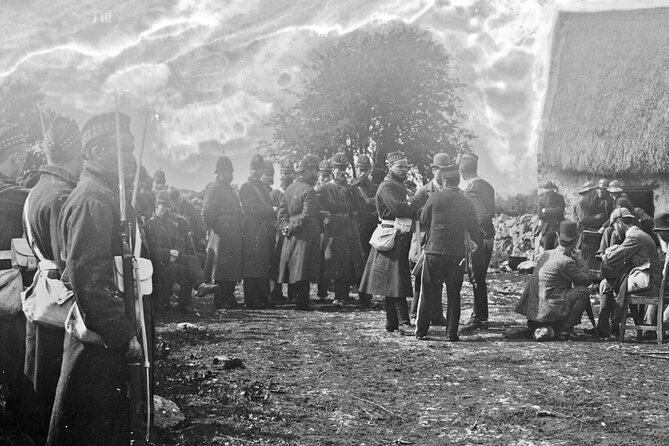
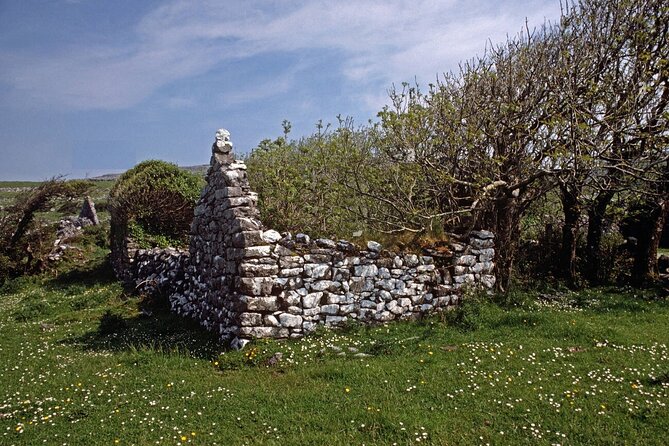
The heart of the exhibition is a series of panels and display areas explaining the Irish Potato Famine. You’ll see some museum artifacts, including items meant to make the crisis tangible rather than purely theoretical. A standout detail is an original soup pot, which gives you a physical anchor to everyday life during hardship.
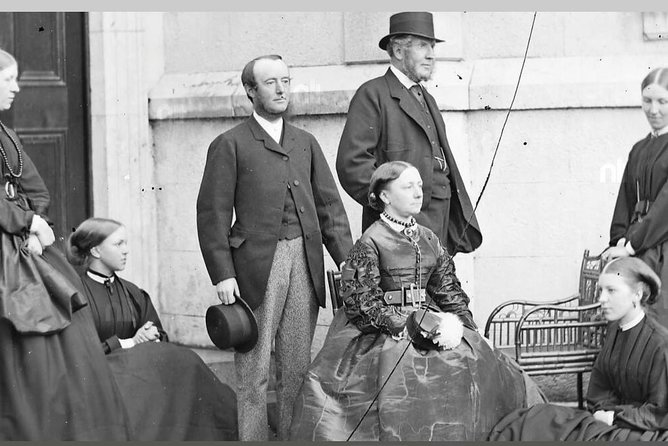
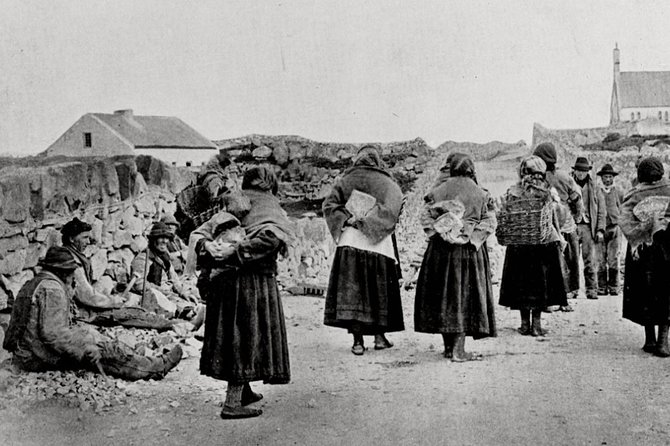
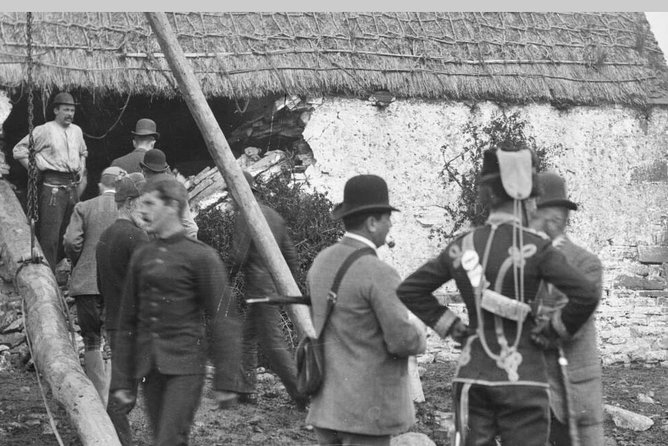
The exhibition also leans heavily on historical imagery, with many 19th-century photos. You get the kind of visual material that helps you picture what the famine era looked like, and it supports the written explanations. There are also period newspapers, which add a different angle. Instead of only looking back with modern textbooks, you see how events were discussed in their own time.
Another way the same day could go from Dublin:
- Dublin to Cliffs of Moher, including Wild Atlantic Way and Galway
★ 5.0 · 23,331 reviews - From Dublin: Cliffs of Moher, Burren & Galway City Day Tour
★ 4.8 · 18,888 reviews - Dublin: Guinness Storehouse Entry Ticket
★ 4.6 · 16,863 reviews - Dublin to Cliffs of Moher, Burren, Wild Atlantic Way, Galway Tour
★ 5.0 · 12,924 reviews
The short documentary film, and how to pace it
A short documentary film is included, about 15 minutes. It is there to help you connect the facts to the broader story in a quicker, more emotional way. If you are a visual learner, this film likely does a lot of heavy lifting for comprehension.
Because the film area can feel warm, I recommend a simple strategy: plan to sit through it, but keep your comfort in mind. If your schedule allows, go earlier in the open window so you are not walking in at peak heat. And if you are traveling with kids or you have low tolerance for indoor warmth, consider whether you’ll want to take brief breaks before or after the film segment.
The rare aerial views of St Stephen’s Green
One of the more surprising features is the inclusion of rare aerial views of St Stephen’s Green park. That detail may sound like a fun extra, but it actually helps you think differently. You are learning about a catastrophe tied to agriculture, politics, and response, yet you are also seeing Dublin space in a way that makes the city feel like it has layers.
For you, this can turn the exhibition from purely historical into something spatial. It nudges you to notice that the story of the Great Hunger played out in Ireland, and Ireland includes real towns, parks, and streets that still exist today.
Taking the lesson with you after you leave
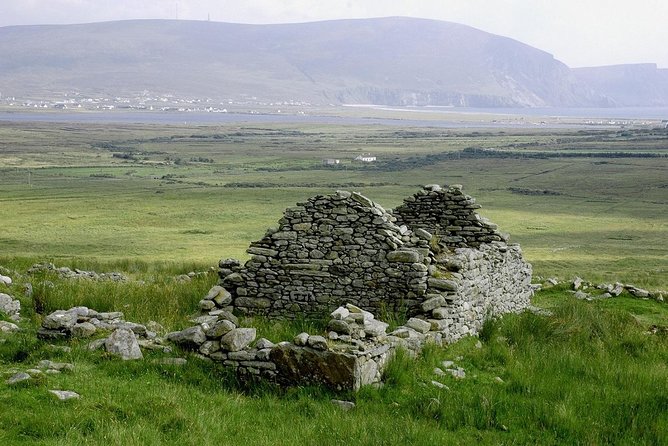
The exhibition aims for clarity. It tells the story in “simple facts” style, with enough structure that you can summarize the crisis and understand why the outcome was so devastating. That is a practical thing. You’ll be able to connect the famine to later Irish realities like emigration, because the exhibition presents the crisis as a turning point rather than a distant event.
You should also expect to see attention paid to policy and decision-making. The storyline highlights poor political decisions and slow disaster response to an agricultural crisis. Even if you already know bits and pieces, the way the museum connects causes to consequences helps it click as a system, not a single bad harvest.
If your goal is to understand Ireland beyond pubs and small talk, this kind of focused museum visit does real work. It gives you shared context to discuss Irish history with locals, and it helps you read Ireland’s modern social patterns with better background.
Who this fits best, and who should reconsider
This is a good match if you want a compact, self-guided museum that teaches you something concrete in about one hour. It is especially suitable for:
- You if you like photos, documents, and artifacts.
- You if you want a serious topic without committing to a half-day tour.
- You if you prefer moving at your own pace.
It is less ideal if you strongly dislike reading. The exhibition text is a major component, and that limitation shows up in the experience. In that case, you’ll still learn something from images and the film, but you may end up feeling like the reading portion is the main event.
Families with kids
Kids must be accompanied by an adult, which keeps the visit consistent for families. If you’re bringing children, plan for emotion. A famine exhibition can land hard, especially when it connects suffering to government response and long-term consequences. If your family handles heavy topics well, this can be a powerful learning stop. If your kids tire quickly, you may want to watch the film first and use it as a bridge for whatever text you can handle afterward.
Language support and accessibility details that matter
The exhibition is offered in English, and there is a translation guide available in French, German, Italian, and Spanish. This is useful even for travelers who speak English, because it gives you options if a friend or family member wants more support.
Service animals are allowed, and the exhibition is positioned as accessible enough for most travelers. It’s also near public transportation, which helps you keep the day fluid. With a maximum group size of 90 travelers, you should not expect a tiny private museum, but it also shouldn’t feel out of control. Your experience is still mostly self-guided, so group size mainly affects the general flow at entry and exits.
Timing your visit: opening hours and comfort tips
The season shown runs from 04/01/2026 to 09/30/2026, open daily 12:00 PM to 6:00 PM. That is a convenient window if you are sightseeing in the afternoon or early evening.
My comfort tip is simple: the film area may run warm since it is not climate controlled. If you’re sensitive to temperature, try to go earlier within the open hours, and dress in layers. Also, because it is an indoor self-guided experience, you do not have to worry about weather, which makes it a solid “whatever the day throws at you” backup plan.
Should you book the Irish Famine Museum in Dublin?
Book it if you want a focused, ticketed way to understand the Irish Potato Famine in a single hour. The value is in what you get for the price: admission, a short documentary, and a meaningful combination of photos, newspapers, and artifacts like an original soup pot. The mobile ticket is a bonus, because it helps you start quickly and keep your schedule tight.
Skip it, or at least adjust expectations, if your ideal museum day is hands-on activities with minimal reading. This is not that style. It is text-and-image driven, with one film segment to reset your attention.
If you’re building a Dublin itinerary that includes history beyond the usual highlights, this one works well. It leaves you with clear context, and it gives you something real to carry into conversations about Irish emigration, hardship, and the long shadows of political response.
FAQ
Where is the Irish Famine Museum exhibition in Dublin?
It’s located at St Stephen’s Green Shopping Centre, St Stephen’s Green, Dublin (meeting point and end point are the same).
How long does the exhibition visit take?
Plan for about 1 hour.
What is the price per person?
The price is $18.15 per person.
Is the experience self-guided?
Yes. The exhibition is self-guided, so you explore at your own pace.
What languages are available for support?
The exhibition is offered in English, and a translation guide is available in French, German, Italian, and Spanish.
Is a documentary included?
Yes. A short documentary film is included (about 15 minutes).
What are the opening hours?
During 04/01/2026 to 09/30/2026, it runs Monday to Sunday from 12:00 PM to 6:00 PM.
Are service animals allowed?
Yes, service animals are allowed.
Are children allowed?
Children must be accompanied by an adult.
Can I cancel and get a refund?
You can cancel for free up to 24 hours in advance for a full refund. If you cancel less than 24 hours before the start time, the amount paid is not refunded.
Just in from the Liffey side






Museums, compared.

Irish Rock ‘N’ Roll Museum Experience Dublin
Read our review →
The Little Museum of Dublin Famous Guided Tour
Read our review →

Giant’s Causeway with the Titanic Exhibition and the best of Northern Ireland
Read our review →
Irish Whiskey Museum: Whiskey Blending Experience
Read our review →
Irish Whiskey Museum Blending Tour with Tastings
Read our review →Browse the lists this tour appears in