

Reviewed · MUSEUMS
Dublin: Irish Famine Exhibition Entry Ticket
Irish famine history hits hard in a small space, and this exhibition makes it understandable. You get clear, step by step storyboards and rare 19th-century photographs that help the story click instead of just feeling like facts on a wall.
I also like the way the exhibit mixes interpretation with originals. You can see real newspaper articles, personal letters, and even a cast iron soup pot, plus there’s a short film with seating built in.
One consideration: it is heavy subject matter, so if you want something light and upbeat, this is not that kind of stop. Plan your timing, because you will need at least an hour to take it all in.
In This Review
- Key highlights you will actually notice
- Where the Irish Famine Exhibition is, and how to find it fast
- Price and value: $16 buys an hour of structured learning
- What the visit feels like: self-paced, room-by-room, and built for pausing
- The core storyboards: workhouses, evictions, coffin ships, and disease
- Rare photos and original documents: why the “real stuff” works
- The exhibit’s big question about food, empire, and blame
- Language support and options: translation manual plus take-home media
- Timing it in Dublin: make it part of a walk, not a detour
- Who this ticket is best for
- Should you book this Irish Famine Exhibition ticket?
- FAQ
- How long is the Irish Famine Exhibition visit?
- Where exactly is the exhibition in Dublin?
- What are the exhibition hours?
- What is included in the ticket price?
- Is the overview film included, and how long is it?
- Do I get access to the book or USB stick with my ticket?
- Is the exhibition wheelchair accessible?
Key highlights you will actually notice
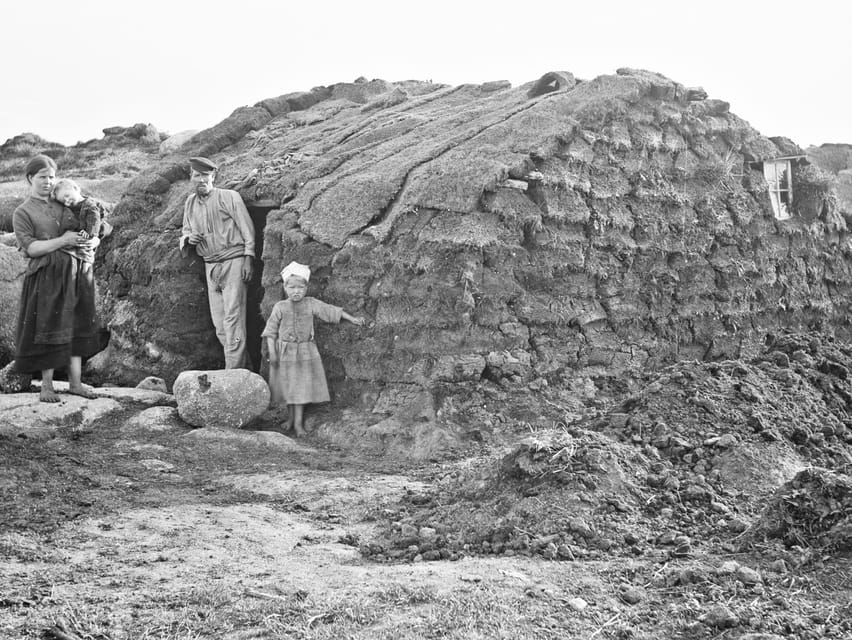
- Primary-source style storytelling using storyboards, original newspaper articles, and personal letters
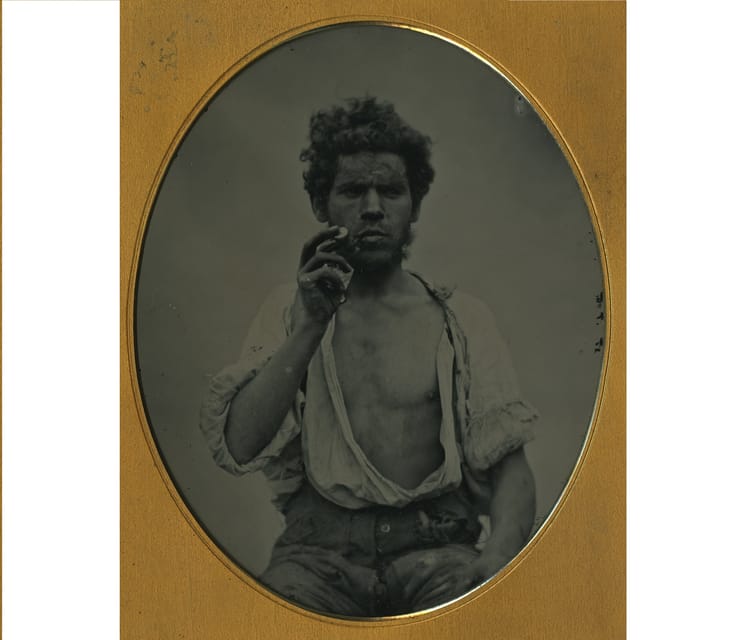
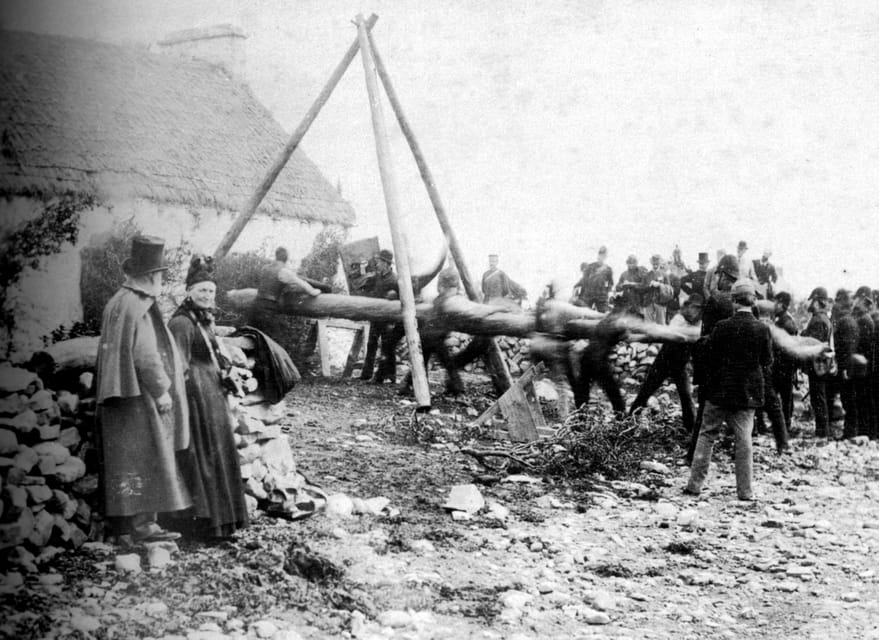
- Rare 19th-century photographs of Ireland, including a visual sense of what people were facing
- Workhouses, evictions, coffin ships, and disease shown as part of a connected crisis
- An included 15-minute overview film with seating options in the rooms
- A real artifact moment with an original cast iron soup pot on display
- Translation manual options in several European languages
Where the Irish Famine Exhibition is, and how to find it fast
This exhibition is located inside the Stephens Green Shopping Centre in Dublin, on the 2nd floor. The unit is labeled 200b, and it sits up where you will trade a quick shopping-center walk for a much more serious experience.
The easiest way to get oriented is to enter from the main entrance off Grafton Street. When you step in, look for an elevator on the right about 20 meters in, then go up to the 2nd floor. Once you are on the 2nd floor, go left. If you come in from the car park entrance, the exhibition is on the opposite end of the centre, so it helps to pick a starting point and follow the floor plan logic rather than wandering.
Hours are every day from 12:00 pm to 6:00 pm. That matters because the exhibit is designed as a focused visit. I suggest aiming to arrive when you can give it a full hour without a tight deadline.
The ticket is listed with validity for 180 days, and you should check availability to see the starting times. In plain terms: book with enough flexibility that you can choose a time that fits your Dublin route.
More Dublin collections out of the rain:
Price and value: $16 buys an hour of structured learning
At $16 per person, the value comes from how the visit is organized. This is not a long maze, and it is not a passive lecture where you struggle to process what you are seeing. Instead, you move room to room through storyboards that reveal the situation in an easy to understand sequence, with breaks baked in.
The exhibit also includes a 15-minute overview film, and there is seating for that film in the exhibit rooms. Plus, there is a bench in each room, so you can pause without feeling rushed. That is a big deal in a subject like this, where you may need a moment to absorb what you are reading and looking at.
What you get included with the ticket also boosts the value. Entry to the Irish Famine Exhibition is covered, and there is a translation manual in French, German, and Italian. (The listing also repeats French, but the key takeaway is that multiple languages are supported via printed material.)
What is not included: the book and the USB stick available for purchase at reception. That means your admission focuses on the physical exhibit first. If you want the extra media layer, you can add it later.
Overall, this is priced like a straightforward museum entry, but designed like an organized story. If you want a self-paced experience that still feels guided, this ticket fits.
What the visit feels like: self-paced, room-by-room, and built for pausing
Plan for at least one hour. The format works best at a calm pace, because each room adds a layer and the storyboards are meant to be followed step by step.
You will walk around various rooms, each one turning into a small learning stop. The boards guide you through what happened, and the layout gives you natural places to sit down. The inclusion of benches in every room is practical. In a difficult exhibition, it lets you control the speed, instead of standing the whole time.
The pacing also includes a short film segment. There is seating for the overview film, which runs about 15 minutes. The film helps you connect the dots between the written boards and the artifacts you are seeing. You do not need to catch every detail to follow the overall narrative, because the structure is repeated in multiple forms: text on storyboards, visuals like photos, and originals like letters and newspapers.
If you are the type who likes museums but hates the feeling of being herded, you will probably like this setup. It is straightforward navigation with a clear path through rooms, not a complicated route you must memorize.
The core storyboards: workhouses, evictions, coffin ships, and disease
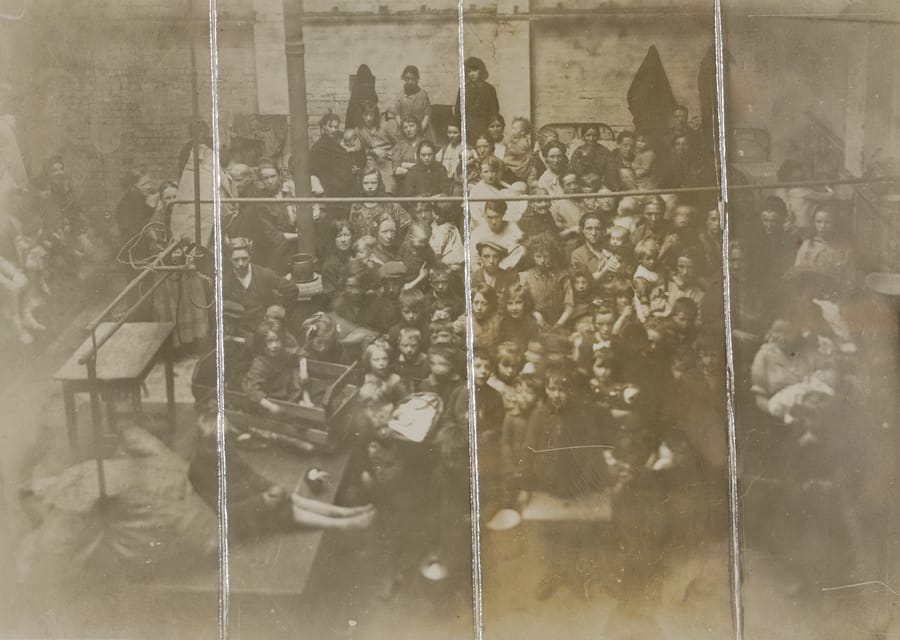
The exhibition focuses on the Irish Potato Famine, described as the most catastrophic event in Ireland’s turbulent history and one of the worst famines in history in terms of deaths as a proportion of the population.
The exhibit does not treat the topic as a distant tragedy. It organizes the crisis into distinct themes you can recognize as you move through the rooms: workhouses, evictions, coffin ships, and disease. Those themes matter because they stop the story from becoming one-dimensional. You are not only looking at loss through statistics. You see how the crisis played out through institutions, forced removals, and sickness.
The storyboards are the centerpiece. They are designed in an easy to understand, step by step fashion. I appreciate this kind of museum storytelling because it respects how people actually learn on a short visit. You can look, read, pause, then keep going without feeling like you missed something critical.
A practical tip: when you enter a new room, skim the storyboard title or first panel before you start reading line-by-line. It helps you get your bearings fast. Then, when you hit a section that mentions one of the major themes, you will know why that panel exists in the overall sequence.
Rare photos and original documents: why the “real stuff” works
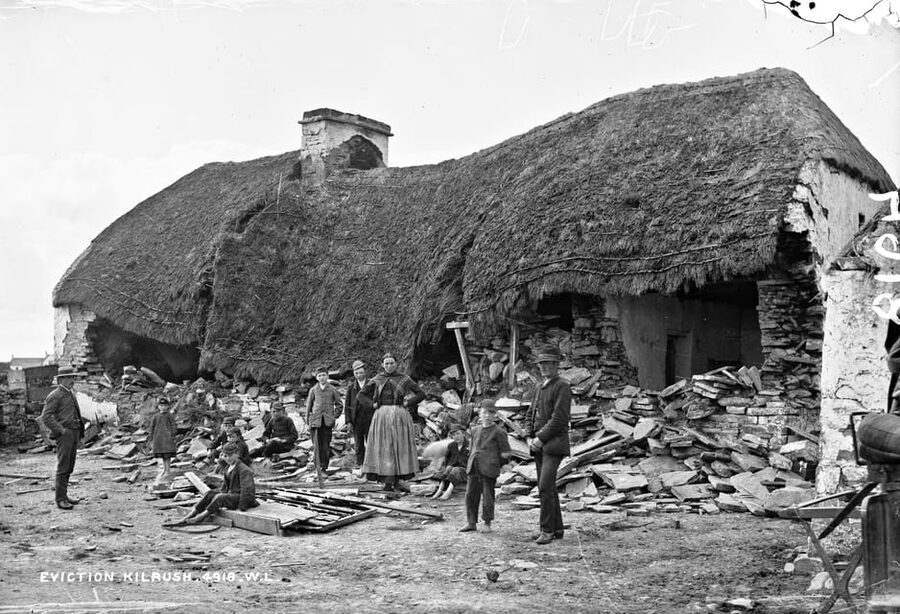
What makes this exhibit more than educational text is the mix of visuals and originals.
You will see rare 19th-century photographs of Ireland. Photos like these do more than illustrate, they create a reality check. Even if you only spend a few minutes with each image, the visual evidence helps you understand that this was not a vague period in history. It was real places and real life.
There are also two original newspaper articles displayed describing the catastrophe. Newspaper items are valuable because they carry the urgency of their time. You are not just learning what happened, you are seeing how the event was being written and reported as it unfolded.
Even stronger, in a quieter, personal way, are the two personal letters:
- One letter from a tenant to his landlord
- Another letter from a father to his son
Those letters anchor the story in human relationships. They also make the themes like evictions and survival feel less abstract. You can still read them quickly, but even a short glance makes the subject hit differently than a timeline ever could.
And then there is the original cast iron soup pot on display. Small artifacts can do something big. A pot like that connects the crisis to daily life, food access, and the effort of feeding a household. You are not just learning about famine as a concept, you are being shown physical objects that belonged to that world.
A few other Liffey-side days to consider
- Dublin: Guinness Storehouse Entry Ticket
★ 4.6 · 16,863 reviews - Dublin: Fast-Track Book of Kells Ticket & Dublin Castle Tour
★ 4.5 · 1,661 reviews - Dublin: The Dublin Pass with Tickets to 40+ Attractions
★ 4.3 · 1,639 reviews - From Dublin: Giant’s Causeway & Belfast Titanic with Ticket
★ 4.8 · 1,440 reviews
The exhibit’s big question about food, empire, and blame
One of the most important parts of this exhibition is the way it frames the puzzle. The word famine is described as controversial in this context, because Ireland at the time was part of the British Empire, and it states there was sufficient food in the country throughout the famine years.
Then it asks the real question: if food existed, how could deaths from starvation and disease still reach over a million, with millions more forced to flee?
That kind of framing is useful for you as a visitor because it changes what you walk away with. Instead of ending the visit with only grief, you are invited to think about responsibility and systems. The exhibit is not just presenting tragedy, it is pushing you to connect the dots between hunger and power.
You do not need to have a background in Irish history to follow that question. The storyboards are designed for step by step understanding, and the themes of workhouses, evictions, coffin ships, and disease help you see that the crisis had multiple pathways, not a single cause presented in isolation.
Language support and options: translation manual plus take-home media
This ticket includes a translation manual in French, German, and Italian. That is a practical inclusion. It means you can focus on the storyboards and originals without guessing what a panel says.
If you want an even more media-based version, there is an additional option to buy materials at the reception desk. You can purchase a book and a USB stick. The USB stick breaks the storyboards into film format set to suitable mood music, and it also includes the 15-minute overview film.
In other words, you can treat the exhibition in two layers. Do the physical visit first, then decide if you want a home version that recaps the story in a more cinematic format.
Timing it in Dublin: make it part of a walk, not a detour
Because it is inside Stephens Green Shopping Centre, you can combine this stop with normal Dublin movement. You will enter off Grafton Street, and the location makes it easy to slot into a midday or early afternoon window.
The hours, 12:00 pm to 6:00 pm, are ideal for people who want cultural learning between meals and shopping. Also, because the exhibit is about one hour, you can fit it even if your schedule is packed.
A useful way to plan: give yourself time before and after. Arrive a little early so you are not rushing through the early panels, and then leave with enough margin that the subject matter does not collide with your next obligation.
Who this ticket is best for
This is best for you if you want:
- A focused, self-paced museum-style learning experience
- A structured presentation that uses photos, letters, and newspapers, not just general narration
- A visit that helps you understand why the term famine is used carefully, and why the big question matters
It might not be ideal if you are looking for a light history stop or quick photo ops. The exhibition covers forced displacement, sickness, and institutions like workhouses. If you are traveling with kids, you should consider their comfort with heavy topics, but the content is presented in an explanatory, easy to follow format, which can help older students.
Accessibility is included: the exhibit is wheelchair accessible. If you rely on step-free navigation, it is worth planning your route to the elevator in the shopping center, since the directions mention an elevator right when you enter from Grafton Street.
Should you book this Irish Famine Exhibition ticket?
Yes, you should book if you want an hour of meaningful history told with clear storyboards and supported by original documents and artifacts. For $16, you get a structured visit that does not waste your time, plus language support via a translation manual. The setup, including benches and the film seating, makes it easier to go at your own pace, which is exactly what you want for a topic this difficult.
Skip it only if you are craving something cheerful, short, and low-emotion. This exhibit is designed to educate and to help you wrestle with a troubling question about how a catastrophe unfolded.
If your goal is to understand the Irish Potato Famine in a grounded, primary-source way, this is a smart use of your time in Dublin.
FAQ
How long is the Irish Famine Exhibition visit?
Allow at least one hour. The exhibit is structured room to room, and it also includes a 15-minute overview film.
Where exactly is the exhibition in Dublin?
It is in unit 200b inside Stephens Green Shopping Centre. From the main entrance off Grafton Street, there is an elevator on the right about 20 metres in. Go to the 2nd floor and go left.
What are the exhibition hours?
It is open every day from 12:00 pm to 6:00 pm.
What is included in the ticket price?
The ticket includes entry to the Irish Famine Exhibition and a translation manual in French, German, and Italian.
Is the overview film included, and how long is it?
Yes. There is a seating area for the film, and the overview film is 15 minutes long.
Do I get access to the book or USB stick with my ticket?
No. The book and USB stick are available to purchase at the reception desk, but they are not included with entry.
Is the exhibition wheelchair accessible?
Yes, the exhibition is wheelchair accessible.
Just in from the Liffey side






Museums, compared.
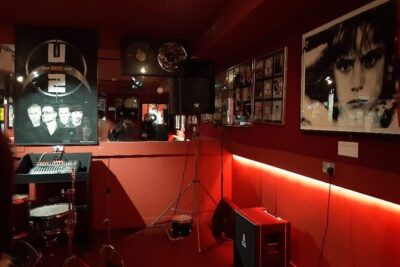
Irish Rock ‘N’ Roll Museum Experience Dublin
Read our review →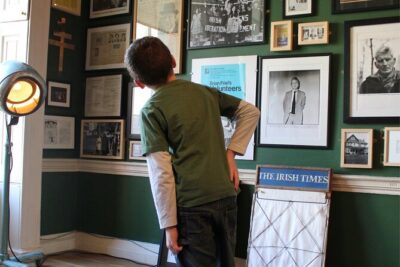
The Little Museum of Dublin Famous Guided Tour
Read our review →

Giant’s Causeway with the Titanic Exhibition and the best of Northern Ireland
Read our review →
Irish Whiskey Museum: Whiskey Blending Experience
Read our review →
Irish Whiskey Museum Blending Tour with Tastings
Read our review →Browse the lists this tour appears in