Reviewed · DUBLIN
Dublin Bay Seal Kayaking Safari at Dalkey
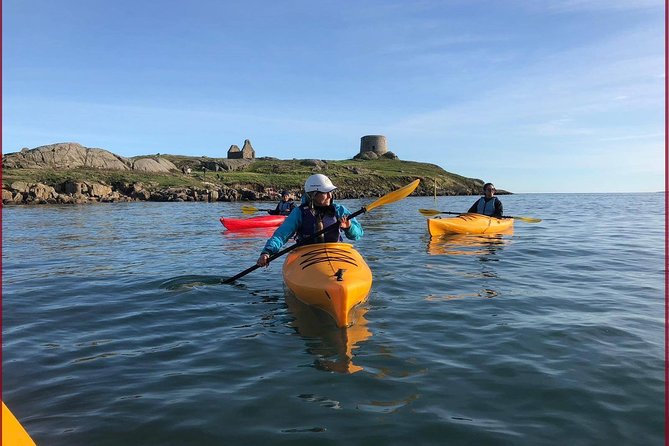
Seals in Dublin Bay, from your own kayak. This beginner-friendly safari turns Bullock Harbour into your launchpad for paddling the Dalkey coast and sometimes out toward Dalkey Island. You also get a close-up wildlife show in a UNESCO-listed biosphere area, not from a viewing point, but from the water.
I really like the way the team handles the practical stuff first: wetsuit, kayak setup, buoyancy aid, and clear safety basics before you even paddle. You’ll also get local context from guides such as Philip or Jenny, including what to look for in the bay and how the harbour and wildlife fit together. One thing to consider up front: you do need basic swimming comfort and you should plan for wet gear, changing outside or near other people, and a cold-water experience if conditions turn.
In This Review
- Key Highlights You Will Actually Care About
- Entering Bullock Harbour: How the Safari Gets You Ready
- Dublin Bay UNESCO Views: Why This Kayak Trip Feels Different
- What to do if you get worried
- Dalkey Island Stop: The Weather-Dependent Bonus You Will Enjoy
- Seal Encounters That Feel Up Close (and How Not to Mess Them Up)
- Cameras and phones
- Pacing, Breaks, and the Kind of Effort You Should Expect
- What to Wear: Spare Footwear, Underlayers, and the Post-Kayak Reality
- Changing and privacy
- Toilets at the harbour
- Guides Like Philip, Jenny, Eavan, and Dave: Why You Feel Looked After
- Price and Value: Is $143.97 Worth It?
- When You Should Think Twice Before Booking
- Should You Book the Dublin Bay Seal Kayak Safari at Dalkey?
- FAQ
- Where does the Dublin Bay Seal Kayaking safari start?
- How long is the kayaking safari?
- What gear is included?
- Do I need to know how to swim?
- What should I bring with me?
- Is there a Dalkey Island stop?
- Is the tour offered in English?
- What’s the weather plan and cancellation approach?
Key Highlights You Will Actually Care About
- Gear is included, including wetsuit, kayak, paddle, and buoyancy aid, so you can travel lighter
- You must be comfortable in the water, not a champion swimmer, but ready to float if you capsize
- Seal encounters are a main event, with seals often swimming near kayaks as you pass along the coast
- Dalkey Island is weather dependent, so you get a flexible plan rather than a rigid route
- Small-group pacing helps beginners, with guides keeping an eye on skill level and safety on the water
- You get stops with explanations, including the area’s history and what the birds and seals are doing
Entering Bullock Harbour: How the Safari Gets You Ready
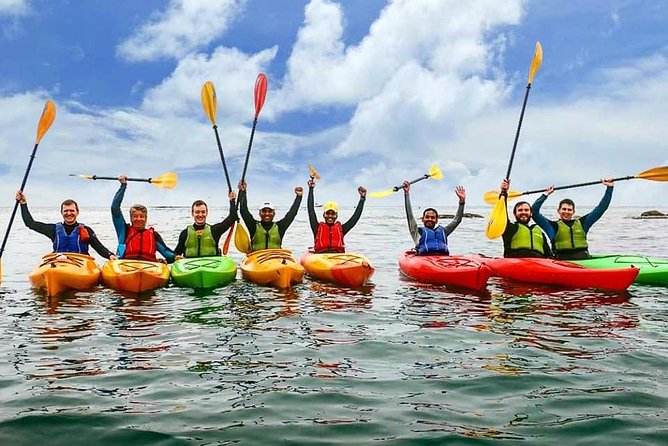
This is a sea kayaking tour based around Bullock Harbour in Dalkey. You start and end back at the same place, and the whole experience runs about 3 hours. The group stays capped at 24 people, which matters on the water because more attention goes to technique and spacing from wildlife.
Before you paddle, the guides fit you with a wetsuit and hand over the key gear. You’ll also get a buoyancy aid (life jacket) and the basic instruction that lets a first-timer feel competent fast. You’ll learn how to use the paddle and how to manage your kayak without turning every stroke into a wrestling match.
Here is the real readiness checklist from the start:
- You need to be able to swim, even if you are not a strong swimmer
- You need to be happy floating if you capsize while wearing the buoyancy aid
- You should have a moderate physical fitness level, meaning you can paddle, follow instructions, and handle a wet, active outing
You also need spare footwear. Your feet will be in wet conditions right away, and you may have to step in the water when launching and landing. Old runners or water shoes are your friend here.
A few other Liffey-side days to consider
Dublin Bay UNESCO Views: Why This Kayak Trip Feels Different
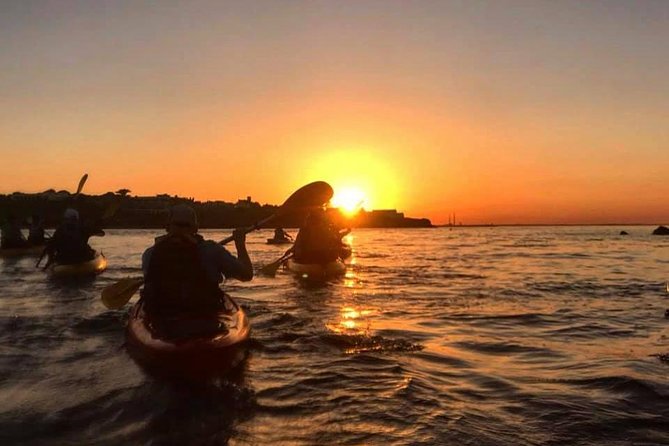
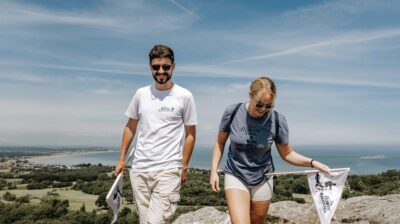
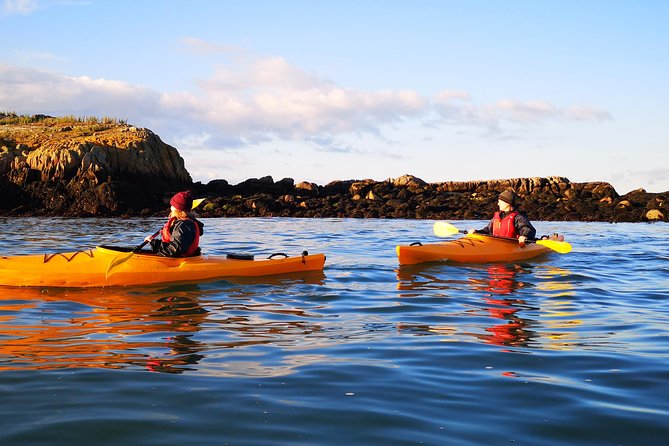
Once you are set, you get on the water in historic Bullock Harbour and head along the Dalkey coastline. The big “wow” is not just seeing Dublin Bay, it is seeing it from down at water level, with your kayak becoming the moving viewpoint.
This area is recognized as a UNESCO-listed biosphere, and the guides use that to frame what you are seeing. Expect information tied to the bay’s wildlife patterns and the way people have used the harbour over time. The result is more than scenery. You start to understand why seals hang around here, why birds show up where they do, and why staying respectful matters.
On calmer stretches, you’ll see more than just seals. Many paddlers get birdlife highlights and sometimes even other marine sightings. Because you are moving slowly and quietly (the whole point of kayaking), the bay feels more “alive” than it does from shore.
What to do if you get worried
If you are anxious about wind or waves, the guides are used to adapting. One of the most reassuring themes from real experiences is that the team watches conditions and adjusts where you launch or paddle to keep things manageable. You should still show up with a realistic mindset: this is on open water, so some days feel choppier than others.
Dalkey Island Stop: The Weather-Dependent Bonus You Will Enjoy
Stop 1 is Dalkey Island, and it only happens when weather allows. That flexibility is actually a plus, because the tour is set up for sea conditions, not a fantasy route that ignores reality.
When Dalkey Island is in the plan, you kayak over with the group and then get out for time ashore. One commonly shared detail is a short hike up toward church ruins and an abandoned Martello tower. Even if you are not a history superfan, standing above the bay with the wind in your face is the kind of moment that makes kayaking feel worth every wet second.
A practical note: if you land, you’ll likely want to keep your dry items minimal. Think layers you can manage, plus a towel for the after.
Seal Encounters That Feel Up Close (and How Not to Mess Them Up)
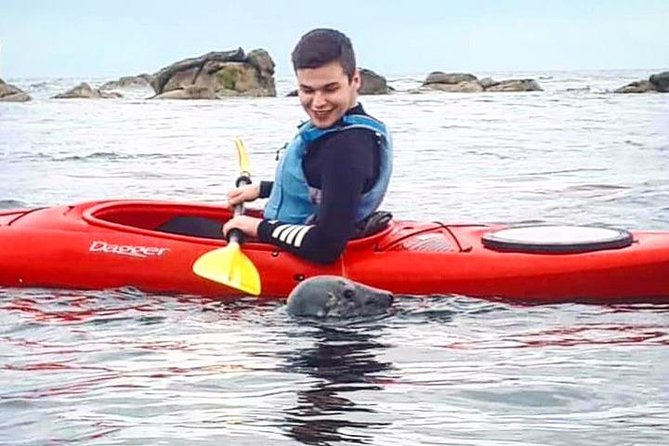
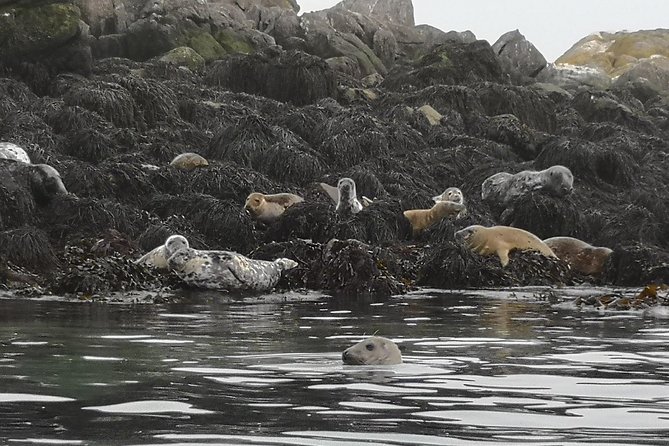
The seals are the headline. You paddle past them and they may play around the kayaks as you move by. In many outings, seals are curious and come close enough that you feel like you are watching wildlife in motion, not browsing a habitat behind glass.
The guides do something important here. They emphasize not disturbing the seals. That means you keep your distance, follow the guide’s spacing instructions, and resist the urge to paddle closer just to get a better look. When you do it right, you get the best kind of seal interaction, the kind where seals decide to approach rather than where you try to force it.
You also might see seals sunbathing on rocks between paddling stretches. That is a good time to pause mentally and actually look, because once you start paying attention to the rhythm of the bay, the wildlife sightings become easier to spot.
Another way the same day could go from Dublin:
- Dublin to Cliffs of Moher, including Wild Atlantic Way and Galway
★ 5.0 · 23,331 reviews - From Dublin: Cliffs of Moher, Burren & Galway City Day Tour
★ 4.8 · 18,888 reviews - Dublin: Guinness Storehouse Entry Ticket
★ 4.6 · 16,863 reviews - Dublin to Cliffs of Moher, Burren, Wild Atlantic Way, Galway Tour
★ 5.0 · 12,924 reviews
Cameras and phones
There can be a bit of confusion about using cameras or phones during the tour. The safest move is to ask the guide for the rule that day, and follow their timing. If you bring a camera, treat it like sea gear: secure it, keep it low-profile, and don’t let it distract you from paddling and seal spacing.
Pacing, Breaks, and the Kind of Effort You Should Expect
This is not just a long glide. It is active paddling with breaks, plus stops for information. The tour includes scenic stops where the guide shares history and points out what’s happening in the bay.
The effort level is usually friendly for a beginner because you are guided step-by-step at the start. Still, you should go into it knowing sea kayaking takes attention. You are managing your kayak, watching your line, and keeping enough distance from wildlife while still staying with the group.
A useful way to think about it:
- The paddling can be steady and “doable”
- The sea conditions can make it harder
- Your technique improves quickly after the first short practice period
If you are someone who panics when you feel slightly behind, you will do better if you tell the guide early. The guides have shown they can adjust, even splitting groups gently when needed so everyone finishes feeling safe and not stressed.
What to Wear: Spare Footwear, Underlayers, and the Post-Kayak Reality
Wetsuits keep you warm, but they do not make the process dry. Plan for wet clothes and wet shoes, even if the water is not freezing.
Here is what you should bring based on the tour’s own instructions and the most repeated practical advice:
- Spare footwear for inside the water, such as old runners or water shoes
- Something to wear under the wetsuit, like swimming togs or base layers
- A towel for drying off afterward
- Something to change into right after
A recurring tip is avoiding cotton under the wetsuit. Cotton can stay cold and heavy once wet, while swimwear or base layers usually feel better.
Changing and privacy
You may change near the launch area. Some people have mentioned discomfort changing in front of others, and one guide offered a private alternative by letting a participant change in the vehicle for privacy. That means you should not assume privacy will be guaranteed, so pack with flexibility and ask if you want privacy.
Toilets at the harbour
There are portable toilets at the harbour. Public harbour toilets are there too, but they have not been described as clean in the same way. If you are picky, plan your timing accordingly.
Guides Like Philip, Jenny, Eavan, and Dave: Why You Feel Looked After
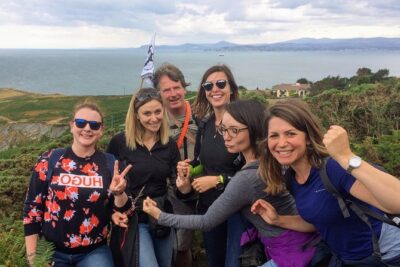
The success of this kind of tour is all in the guide. Here, the vibe seems consistent: safety first, clear instruction, and local storytelling that makes the route feel meaningful.
You may paddle with instructors such as Philip, Jenny, Eavan, Eva, John, Hamish, or Dave. Across different days, you get a mix of teaching paddling technique and sharing history about the harbour and bay area, including what to look for in wildlife behavior.
A few specific types of guide behavior that really matter:
- Situational awareness: slowing down or adjusting plans when someone needs more time to keep pace
- Condition checks: moving launching spots if wind or sea state gets rough
- Practical help: stepping in if a paddler cramps or feels unwell at the end
If you are traveling with kids or bringing a first-timer, this is exactly the kind of tour where calm, attentive coaching makes the difference between fun and panic.
Price and Value: Is $143.97 Worth It?
At $143.97 per person for about 3 hours, this is not a cheap activity. But the value is stronger than the sticker price because the tour includes the key equipment: wetsuit, kayak, paddle, and buoyancy aid.
That changes the math for you. You are not paying extra for rentals or trying to source sea-suitable shoes on the fly in Dublin. You also get guided safety practice, plus history and wildlife interpretation while you paddle. For a lot of active travelers, that combination lands as good value because you are paying for instruction and for a specific local experience that you cannot easily recreate on your own.
One more value cue: the tour is often booked ahead, with an average booking window of about 29 days. If you have a tight schedule, book sooner rather than later to get the day you want.
When You Should Think Twice Before Booking
This safari is great for many people, but it has a few built-in limits.
You should think twice if:
- You are not comfortable with water and do not want to float in a capsize scenario while wearing a buoyancy aid
- You dislike wet gear changes in semi-shared public spaces, because you should expect some outdoor changing
- You get sick or stressed with active motion, since kayaking plus wind chop can be demanding
Weather also matters. The experience needs good conditions, and plans can change due to wind or sea state. On choppy days, the guide may shift where you launch or where you paddle to keep things safe. That still might mean fewer seal sightings than you hoped for, depending on conditions.
Should You Book the Dublin Bay Seal Kayak Safari at Dalkey?
Yes, I think you should book it if you fit this profile: you like active outings, you want a beginner-friendly way to try sea kayaking, and you are excited by wildlife you can see up close. This is a particularly solid choice for nature lovers and first-timers because the gear is handled, the instruction happens before you launch, and the guides focus on safety and respectful seal viewing.
Book with confidence if:
- You can swim at a basic level and feel okay floating if something goes wrong
- You are willing to get wet and bring the right spare footwear and underlayer clothing
- You want a mix of wildlife plus local history in one 3-hour outing
Skip it or choose another option if water comfort is a hard no for you, or if the idea of changing and launching in wet conditions makes you miserable.
If you do book, go prepared with spare footwear, wear proper layers under the wetsuit, and listen closely during the safety talk. That is what turns a fun day on the bay into a day you remember for the right reasons.
FAQ
Where does the Dublin Bay Seal Kayaking safari start?
It starts at Kayaking.ie Bullock Harbour, Bullock, Dalkey, Co. Dublin, Ireland. The tour ends back at the same meeting point.
How long is the kayaking safari?
The duration is about 3 hours.
What gear is included?
You get a wetsuit, kayak, paddle, and buoyancy aid.
Do I need to know how to swim?
Yes. You do not need to be a champion swimmer, but you need to be able to swim and feel comfortable floating in the water if you capsize while wearing the buoyancy aid.
What should I bring with me?
Bring spare footwear (for example old runners or water shoes) and something to wear under the wetsuit, such as swimming togs or base layers.
Is there a Dalkey Island stop?
Dalkey Island is listed as Stop 1, but it happens when the weather allows.
Is the tour offered in English?
Yes, it is offered in English.
What’s the weather plan and cancellation approach?
The experience requires good weather. If it is canceled due to poor weather, you will be offered a different date or a full refund. You can also cancel for a full refund if you cancel at least 24 hours in advance.