Reviewed · DUBLIN
Discover Dublin’s most Photogenic Spots with a Local
Dublin looks good in almost any weather. This photo-focused walk is built to help you see it with a sharper eye, then capture it.
I like the small-group limit of up to 8, because it keeps the guide focused on your questions and your camera. I also like that you get a practical mix of “look here” landmarks, from the Spire view to the Trinity College Campanile. In reviews, guides like Abhi are praised for calling out picturesque spots and simple ways to improve your shots.
One consideration: it is only about 1.5 hours, so if you want long, slow time inside major sights, you will likely prefer adding extra time on your own.
In This Review
- Key things that make this photo tour work
- Why a small-group photo walk is the best way to see Dublin fast
- Meeting at Novara House and finding the best Spire view
- Ha’Penny Bridge and the Liffey: turning a postcard into a photo
- Old Jameson Distillery: photographing Dublin’s whiskey icon
- Christ Church Cathedral: history you can shoot from the street
- Love Lane: when small streets give you better photos
- Trinity College’s Campanile: the iconic shot, with smarter framing
- Grafton Street: storefronts, faces, and city texture
- Stephen’s Green Shopping Centre: a perfect finish point
- Price and value: what $100.87 buys you in 90 minutes
- Who should book this Dublin photo walk
- Quick practical tips before you go
- Should you book it?
- FAQ
- How long is the Dublin photogenic spots photo tour?
- What is the price per person?
- How large is the small group?
- Where does the tour start and end?
- What is included in the tour?
- What is not included?
- Does the route change if the weather is bad?
- Is there free cancellation?
Key things that make this photo tour work
- Up to 8 people, so coaching does not vanish in the crowd
- Photography-led route through classic Dublin icons and quick photo stops
- Personalised recommendations tailored to what you want to shoot
- A pace that adapts to your walking comfort and weather
- Evening and night light gets a strong nod in the reviews
- No ticket pressure, since entry fees for attractions are not included
Why a small-group photo walk is the best way to see Dublin fast
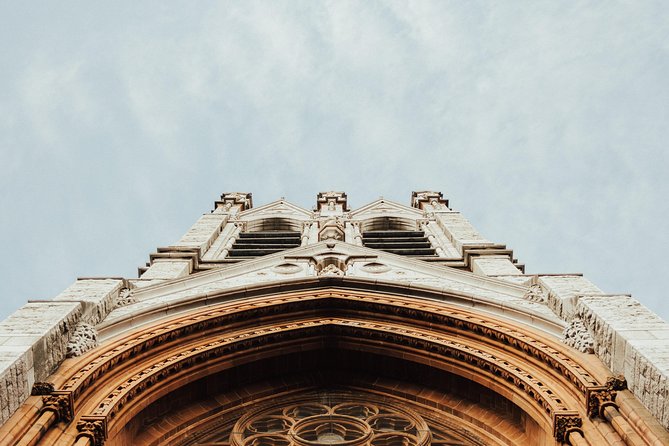
If you have a limited time window, Dublin can feel like a list. This experience keeps it from becoming that. Instead of just moving from one landmark to the next, you get a guide’s eye for framing, angles, and what makes a scene work as a photograph.
The value here is the combination of sightseeing plus learning. You are not only looking. You are practicing. That means you leave with more than images of Dublin, you also leave with techniques you can use later as you keep exploring the city.
Comparing before you commit? A few more that leave Dublin:
Meeting at Novara House and finding the best Spire view
The tour starts at Novara House, 2 N Earl St, in Dublin’s North City (near public transport). Right away, you aim for what the guide calls the best view on the Spire.
This opening matters because it sets your baseline. You start by learning how to frame Dublin’s modern symbol against the streets around it. If you are a first-time visitor, it also helps you orient quickly, so the rest of the route feels easier to navigate on your own afterward.
Practical tip: wear shoes you can walk in. This is a city stroll, not a hop-on hop-off ride.
Ha’Penny Bridge and the Liffey: turning a postcard into a photo
One of the highlights is getting the true beauty of the Liffey from a bridge. The tour mentions a big one by name, Ha’Penny Bridge, which is one of Dublin’s most photographed crossings for a reason: it puts the river and city together in one usable frame.
What you are really learning is how to see layers. The river gives you movement and depth. The bridge gives you structure. Dublin buildings and street details give you context. A good guide will steer you toward viewpoints where the geometry helps your composition instead of fighting it.
If you want shots that feel more cinematic, this is where timing helps. One review strongly recommends taking the tour in the evening or at night, which makes sense for cities like Dublin where light reflects off stone and water.
Old Jameson Distillery: photographing Dublin’s whiskey icon
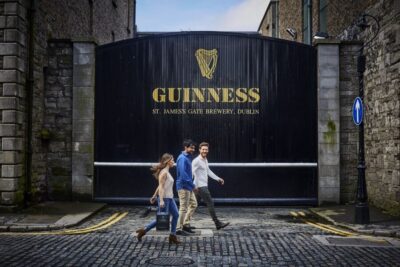
You then move to the Old Jameson Distillery area, with a clear reason to stop: that building is unmistakable. The tour essentially tells you, look at this facade like it is a subject. Not just a background.
For photography, distillery buildings are great because they have texture. Stone, signage, and architectural lines give you plenty to work with, even if the street around you is busy. The best way to use a short photo stop is to pick one hero detail, like a doorway, a sign, or a section of lettering, then build the shot from there.
A realistic consideration: this is a famous landmark area, so expect some foot traffic. The small group size helps, because the guide can help you take quick positions without turning it into a long crowd negotiation.
Christ Church Cathedral: history you can shoot from the street
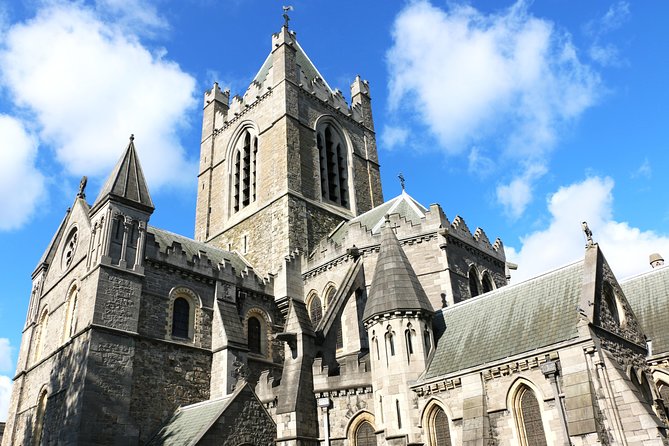
Next comes Christ Church Cathedral, described as full of beauty and history, with the focus on seeing and photographing it as part of the city. Even if you are not going inside, you can still get strong results from the surrounding angles.
Cathedral photography is often harder than it looks. Too close, and you lose the scale. Too far, and it becomes just another building. A good guide’s job is to find the spot where the cathedral’s mass and the street context both show up.
If weather shifts, do not panic. Stops can vary with conditions, and Dublin changes moods fast. The guide’s plan accounts for that walking reality.
Another way the same day could go from Dublin:
- Dublin: Giants Causeway, Dark Hedges, Dunluce & Belfast Tour
★ 4.8 · 8,843 reviews - Dublin to Belfast Black Cab, Dunluce Castle and Giant’s Causeway
★ 5.0 · 7,954 reviews - Kilkenny, Wicklow Mountains & Glendalough Day Tour from Dublin
★ 5.0 · 7,897 reviews - From Dublin: Wicklow Mountains, Glendalough & Kilkenny Tour
★ 4.8 · 6,235 reviews
Love Lane: when small streets give you better photos
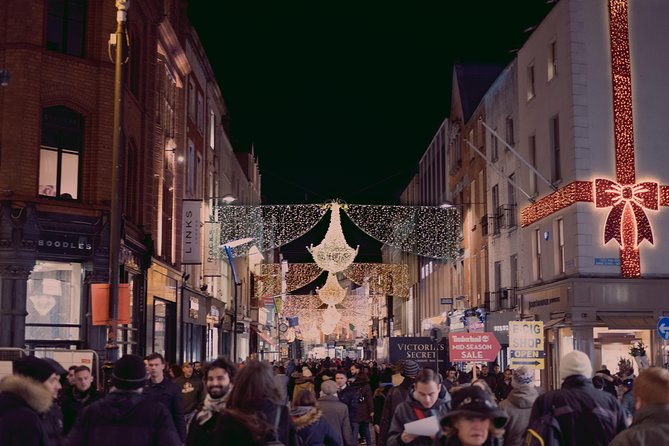
Then you hit Love Lane, called a must-see for art lovers. That makes sense for photography, because Love Lane is the kind of place that rewards attention. Small-scale streets often give you more variety per minute than big monuments.
This is where your camera skills can sharpen quickly. You can practice framing close details, balancing bright signage with shadowed walls, and making your photos feel personal rather than purely scenic.
The practical upside: these lane stops are great even if you are not planning to stop for long. They fit the tour’s tempo without feeling rushed.
Trinity College’s Campanile: the iconic shot, with smarter framing
Now you get to one of Dublin’s most recognizable silhouettes, the Campanile of Trinity College. This is called iconic for a reason, and you will see why once you are looking at it through a photographer’s lens.
The Campanile is visually strong, but it can still go wrong in photos if you only aim for the easiest angle. A guide can help you make the shot feel intentional, for example by including useful leading lines from nearby paths or by adjusting where the sky and neighboring buildings land in your frame.
Trinity is also a good moment to reset your settings and your eye. After a cathedral and smaller lanes, your attention naturally shifts back to scale. That change is useful. It keeps your photo set from looking like one repeated idea.
Grafton Street: storefronts, faces, and city texture
After Trinity, the tour brings you to Grafton Street, described as a traditional street with small shops plus big brands. For photographers, this kind of street is a goldmine for variety: shopfront details, street life, and wide walking perspectives that can make your images feel like Dublin instead of just Dublin landmarks.
It is also where you can experiment with portrait-friendly angles if you are comfortable. Even if you focus on architecture, the street gives you visual cues like signage colors and texture differences.
One thing to keep in mind: busy streets reward quick instincts. When you have a short time window, aim for fewer, stronger compositions rather than trying to capture everything.
Stephen’s Green Shopping Centre: a perfect finish point
The walk ends at Stephen’s Green Shopping Centre, at St Stephen’s Green. The tour calls it an incredible shopping center where everything seems so perfect.
As a photo-tour ending, it is practical. You finish near a central area where you can review your shots, grab a drink, and keep the rest of your day flexible without needing to immediately navigate back across town.
It is also a nice mental reset. Many landmark walks end while you still feel wired. Ending at a more contained spot helps you close the loop and check your camera while your eyes are still fresh.
Price and value: what $100.87 buys you in 90 minutes
At $100.87 per person for about 1 hour 30 minutes, this is not a budget stroll. The value is in what you get that self-guided walking usually cannot: structured stops with a photo-first approach and a small group format.
If you have ever wandered Dublin taking photos and felt like your pictures looked flat, you already know why this can be worth it. Coaching helps you spot what to include, what to leave out, and how to approach iconic spots like the Spire, Ha’Penny Bridge, and Trinity’s Campanile so the results look intentional.
Also, the tour includes knowledgeable local guidance plus personalised recommendations. That is the difference between collecting pictures and collecting skills you can keep using as you move through the city.
If you already travel with a confident photography game plan and you only want landmarks as souvenirs, you might feel the price is high for the time. But if you want Dublin to look better in your camera, this is the kind of short, targeted experience that can pay off fast.
Who should book this Dublin photo walk
This tour fits best if you:
- Want a focused Dublin highlights route without spending a day planning
- Want to improve phone or camera photos with simple, practical guidance
- Prefer a small group up to 8 over a large bus-style crowd
- Are excited by classic icons like Trinity College, Christ Church Cathedral, and Ha’Penny Bridge
- Can choose an evening or night slot, since that lighting gets praised in reviews
You may want to skip or supplement it if you:
- Want long, sit-down visits inside major attractions
- Prefer fully independent exploring with no instruction or stop structure
- Are hoping for a long walking day, since this is designed for about 90 minutes
Quick practical tips before you go
- Bring a phone charger or extra battery. A photography-focused walk eats power fast.
- Use the weather to your advantage. The tour adapts stops based on conditions, so be flexible with where you stand and when you shoot.
- If you want moodier photos, consider choosing a time later in the day. The review advice about evening or night light is easy to understand once you are seeing Dublin’s reflective surfaces.
Should you book it?
I think this is a smart booking if you want Dublin photos that feel composed, not accidental. The small group size, the photo-led stop plan, and the guide coaching make it more than basic sightseeing.
Book it if you like the idea of learning while you walk through places you would already want to see anyway, like the Spire viewpoint, Ha’Penny Bridge, Old Jameson Distillery, Christ Church Cathedral, Love Lane, and Trinity. If you are not interested in photography improvement and you need lots of time inside attractions, spend your money elsewhere and build your own day.
FAQ
How long is the Dublin photogenic spots photo tour?
The experience runs for about 1 hour 30 minutes.
What is the price per person?
The price is $100.87 per person.
How large is the small group?
You will be in a small group of up to 8 travelers.
Where does the tour start and end?
It starts at Novara House, 2 N Earl St, North City, Dublin, D01 K5W5, Ireland and ends at Stephen’s Green Shopping Centre, St Stephen’s Green, Dublin, D02 HX65.
What is included in the tour?
Included are a knowledgeable local, a small group experience, and personalised recommendations.
What is not included?
Personal expenses are not included, and entry tickets for public transportation, museums, and monuments are not included.
Does the route change if the weather is bad?
Yes. Stops may vary depending on weather conditions, and the itinerary adapts to your walking pace and interests.
Is there free cancellation?
Yes, you can cancel for a full refund if you cancel at least 24 hours in advance of the experience start time.